
How OnPurpose Studio delivers expert localization solutions for development teams

OnPurpose 🌍 Lokalise: a summary
🧳 The requirement: A flexible localization platform that enables OnPurpose to deliver technical localization solutions for development teams expanding globally
💡 The solution: A developer-friendly localization platform with robust technical capabilities
- Seamless GitHub integration that fits into existing developer workflows
- Webhook functionality for real-time notifications and automation
- Advanced workflow features and tagging for selective human QA
- Translation memory and glossary management to prevent repetitive translations
- Flexible AI translation with options for human review on critical content
🏅 The results:
- Successfully migrated multiple clients from legacy localization systems to modern, streamlined workflows
- Reduced developer overhead by managing localization behind the scenes
- Built custom integrations (including Prismic CMS) that expand Lokalise's platform capabilities
- Enabled mid-size companies to launch multilingual products without dedicated localization teams
About OnPurpose
Founded by localization architect Aaron Presley, OnPurpose Studios specializes in helping development teams navigate the complex world of software localization. With deep technical expertise gained from working at enterprise companies like Nike, where code runs in 20+ languages across 20+ regions, OnPurpose bridges the gap between developers and linguists.
The studio operates with a unique philosophy: developers are brilliant problem-solvers, but localization isn't just a technical challenge, it's a linguistic one. OnPurpose brings specialized knowledge that typical dev shops lack, understanding that writing code for human languages requires different principles than writing code for technical problems.
Challenge: Solving linguistic, not just technical problems
Many development teams, trained to follow standard engineering principles like "don't repeat yourself," tend to overcomplicate localization or implement solutions that are difficult for translators to use effectively. The core challenge is that localization involves linguistic problems, not just technical ones.
Developers are really great at solving problems," Aaron explains, "but whenever a developer has that background and they're told, 'Hey, we need to translate our site,' they apply that training to this topic. And what they don't often realize is that they're not solving technical problems. They're solving linguistic problems.
Aaron Presley
Owner, OnPurpose Studios
Aaron Presley uses the analogy that developers are great at working on car engines, but localization is a boat engine; there's overlap, but misunderstanding the subject can cause issues.
The typical client, ranging from small startups doing their first expansion to enterprise-level localization teams, finds OnPurpose after encountering issues like:
- Struggling to add a third language after the second.
- Legal requirements (like French Canadian support) forcing a move to localization.
- Internal dev teams lacking capacity or understanding of how a locale flows through a codebase.
- Hard-coded content and the realization that localization is "more complicated than I thought it would be".
Solution: A partner with deep technical and linguistic expertise
OnPurpose needed a translation management system that aligned with how developers actually work and that could handle the technical nuances their clients required.
Why Lokalise Became the Core Platform
After working with multiple TMS vendors, OnPurpose positioned Lokalise as their primary recommendation for medium-sized companies with developer components. Several factors made Lokalise the right fit:
I work with all TMS vendors for sure. I'm very close with Lokalise... I think Lokalise is really great for medium-sized startups that have a developer component, but maybe it isn't entirely a dev company.
Aaron Presley
Founder, OnPurpose Studios
1. Developer-First Integration Philosophy
OnPurpose's clients don't want to learn about the localization industry. They just want localization to work seamlessly.
"They don't want to learn the difference between what a TMS is and an LSP is. They just want this thing done and they want it to work," Aaron explains.
Lokalise's GitHub integration meant developers could continue their normal workflows while localization happened automatically in the background. New strings would be detected, sent for translation, and merged back into the codebase without manual intervention.
2. Webhook Functionality for Automation
OnPurpose relies heavily on webhooks to create invisible automation for clients:
"I really like webhooks because I like having alerts when something is going on, or I want to know when a team is making a change in their GitHub. Having the workflows is really nice because someone might push new content, and if there are a hundred keys, they might have five that they really want a human QA on."
Webhooks enable OnPurpose to:
- Receive real-time notifications when clients push new content
- Trigger automated translation workflows based on content tags
- Monitor system health without requiring client involvement
- Create custom automation pipelines for each client's specific needs
3. Flexible Quality Control Through Workflows
Most of OnPurpose's clients use AI translation for efficiency but need selective human review for critical content. Lokalise's workflow features and tagging system make this possible:
- Tag high-stakes content (brand messaging, legal terms, CTAs) for human review
- Let AI handle straightforward UI strings like "logout" or "add more."
- Create custom approval processes based on content type and market importance
- Scale translation volume without proportionally scaling costs
"They care about quality for maybe 10% at most of the content they have," Aaron notes. "They want it good enough, and they want the option to have a few things human QA."
4. Translation Memory and Glossary Management
Before using a proper TMS, OnPurpose's clients would retranslate the same content repeatedly. Lokalise's translation memory solved this immediately:
- Automatically reuse previously translated content
- Maintain consistent terminology for brand names and technical terms
- Reduce translation costs by avoiding duplicate work
- Ensure consistency across different parts of the application
5. Partnership Flexibility
Unlike rigid platform relationships, Lokalise demonstrated willingness to collaborate on custom solutions:
"A willingness to sort of have a bit of an adventure together and trust to scheme to make each other successful is something I've found really fun with Lokalise," Aaron shares.
This partnership mindset enabled OnPurpose to build custom integrations (like the Prismic CMS connector) that expanded Lokalise's capabilities while meeting specific client needs.
Implementation: Integrating Lokalise into client projects
OnPurpose's process reflects their core belief: understand the business first, then build technology around it.
Phase 1: Discovery and Architecture Review
Every engagement starts with conversations about code architecture, not just localization requirements:
- Review the existing codebase to identify common localization anti-patterns
- Understand which languages the client plans to support (near-term and five-year horizon)
- Assess whether the client needs to support complex language features (like Russian plurals)
- Determine realistic quality requirements based on content types
Just looking at their codebase is something that I can fairly quickly spot typical implementations that developers commonly misunderstand
Aaron explains
Phase 2: Education and Proposal
OnPurpose positions itself as educators, not just implementers:
- Use analogies that resonate with developers: "Your day-to-day is working on engines as a mechanic, and you're really great at that. But whenever it comes to localization, that's a boat engine, not a car engine."
- Explain how linguistic requirements differ from technical requirements
- Build proposals that account for the client's dev capacity and business timeline
- Train development teams or offer to handle implementation directly
Phase 3: Technical Integration
Depending on the client's preference and dev availability, OnPurpose either trains the internal team or handles the conversion directly:
- Convert hardcoded strings to proper localization keys
- Implement proper encoding for character sets across all target languages
- Set up GitHub integration with Lokalise
- Configure webhooks, workflows, and quality control processes
- Establish AI translation with human review triggers for critical content
Implementation typically takes under six months for medium-plus-sized codebases.
Phase 4: Ongoing Management
OnPurpose manages localization behind the scenes so clients can focus on their core business:
- Monitor webhook alerts for new content
- Coordinate with translators for human QA content
- Handle platform maintenance and troubleshooting
- Make clients largely unaware of the complexity being managed on their behalf
We try to maintain it in an ongoing way without really disrupting their existing workflows or their existing day-to-day.
Aaron Presley
Owner, OnPurpose Studios
Results: Streamlined localization in under six months
OnPurpose has helped numerous companies transition from manual, error-prone localization to professional, scalable systems.
Client Success: Vendor Migrations
Many clients come to OnPurpose after struggling with legacy localization systems that don't meet modern development needs. By migrating these companies to Lokalise:
- Clients gained access to modern workflows with AI translation and selective human review
- Translation memory prevented costly re-translation of existing content
- GitHub integration eliminated manual file management
- Webhook automation reduced project management overhead
Expanding Lokalise's Reach Through Custom Integrations
OnPurpose's partnership with Lokalise extends beyond client implementations. By building custom integrations like the Prismic CMS connector, OnPurpose enables Lokalise to serve new market segments:
- Lokalise can confidently support custom integrations not offered out of the box
- OnPurpose handles all development, maintenance, and monitoring
Reducing Developer Burden
OnPurpose's clients consistently report that localization happens "invisibly" after implementation:
- Developers continue normal coding practices
- Translation happens automatically in the background
- Only critical issues require developer attention
- Companies can add new languages without significant technical work
Positioning Localization as Essential Infrastructure
As AI translation has lowered barriers to entry, OnPurpose helps clients understand that professional localization infrastructure creates competitive advantages:
- Cost savings through translation memory
- Quality consistency through glossary management
- Speed through automation
- Scalability through proper workflows
Taking some extra time and some extra effort to adapt to a user's preferences feels like something that is really unique to the companies that choose to do it," Aaron reflects. "I hope that makes an end user feel really seen and understood.
Future: Embracing Change in the Localization Industry
OnPurpose sees significant evolution ahead for localization, driven by AI and changing developer expectations.
Building Bridges Between Legacy and Innovation
"There's a lot of legacy built into the localization industry," Aaron observes. "I think that also means that there are some companies that are resistant to change and a little scared of new technology."
OnPurpose positions itself to embrace new technology while maintaining the quality and precision that enterprise clients require. Their partnership with Lokalise reflects this philosophy: working with a platform that balances innovation with reliability.
Making Localization Accessible
OnPurpose's mission extends beyond client work: they want to help people outside the localization industry understand and access professional localization services.
"I do hope to at least for us to be a company that embraces the change and accepts that, okay, this is happening, and this is our position in the world. How can we help people outside of this industry to get into it?"
Continued Partnership Evolution
The relationship between OnPurpose and Lokalise continues to evolve organically:
- Regular check-ins about client needs and platform capabilities
- Collaborative problem-solving on complex technical challenges
- Mutual referrals and joint go-to-market opportunities
- Custom integration development that expands both companies' offerings
It's about the relationships that you build," Aaron says. "We have a daily relationship with Lokalise, and I know what's going on in their lives, and I check in now and then... keeping in contact and saying, like, “hey, let's just help each other out. Let's scheme to make each other and our customers successful.
Conclusion
OnPurpose Studios demonstrates that successful localization requires both technical expertise and linguistic understanding (a combination rarely found in typical development shops). By partnering with Lokalise, OnPurpose delivers enterprise-grade localization solutions that work seamlessly with modern development workflows.
For development teams expanding globally, the OnPurpose and Lokalise partnership offers a clear path forward: a professional localization infrastructure that doesn't require becoming localization experts, managed by a team that speaks both developer and linguist fluently.
Ready to scale your localization with
expert technical implementation?
Talk to one of our experts to learn how to localize with confidence.
How Qontour scales enterprise-grade localization for fast-growing companies
How Blazity partners with Lokalise to build the best global digital experiences for their clients
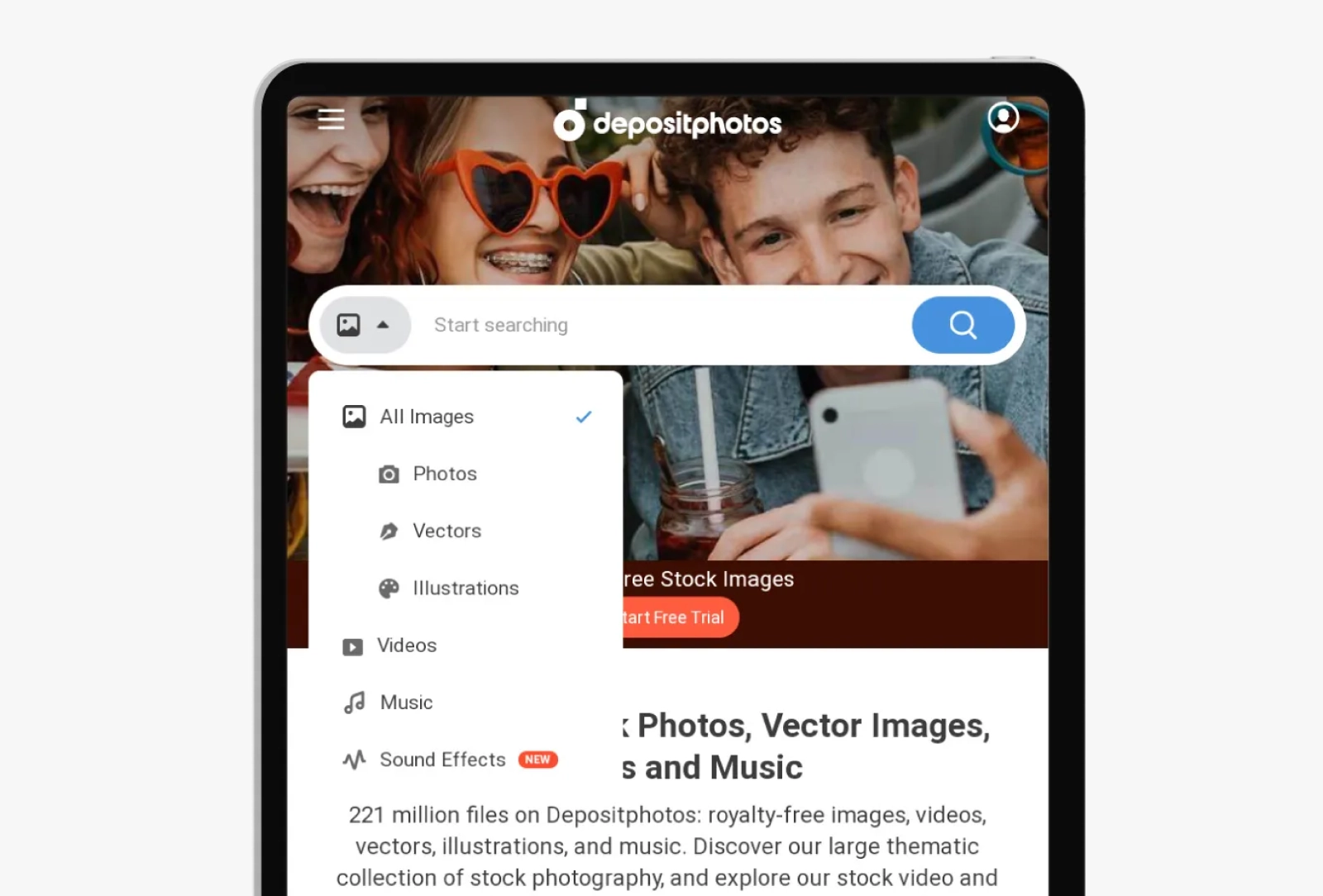
Integrating AI-powered translation and automated workflows into a global digital content marketplace
Case studies


Behind the scenes of localization with one of Europe’s leading digital health providers
Read more Case studies
Support


Company
Follow



Localization workflow for your web and mobile apps, games and digital content.
©2017-2026
All Rights Reserved.