6 best translation memory software for every use case
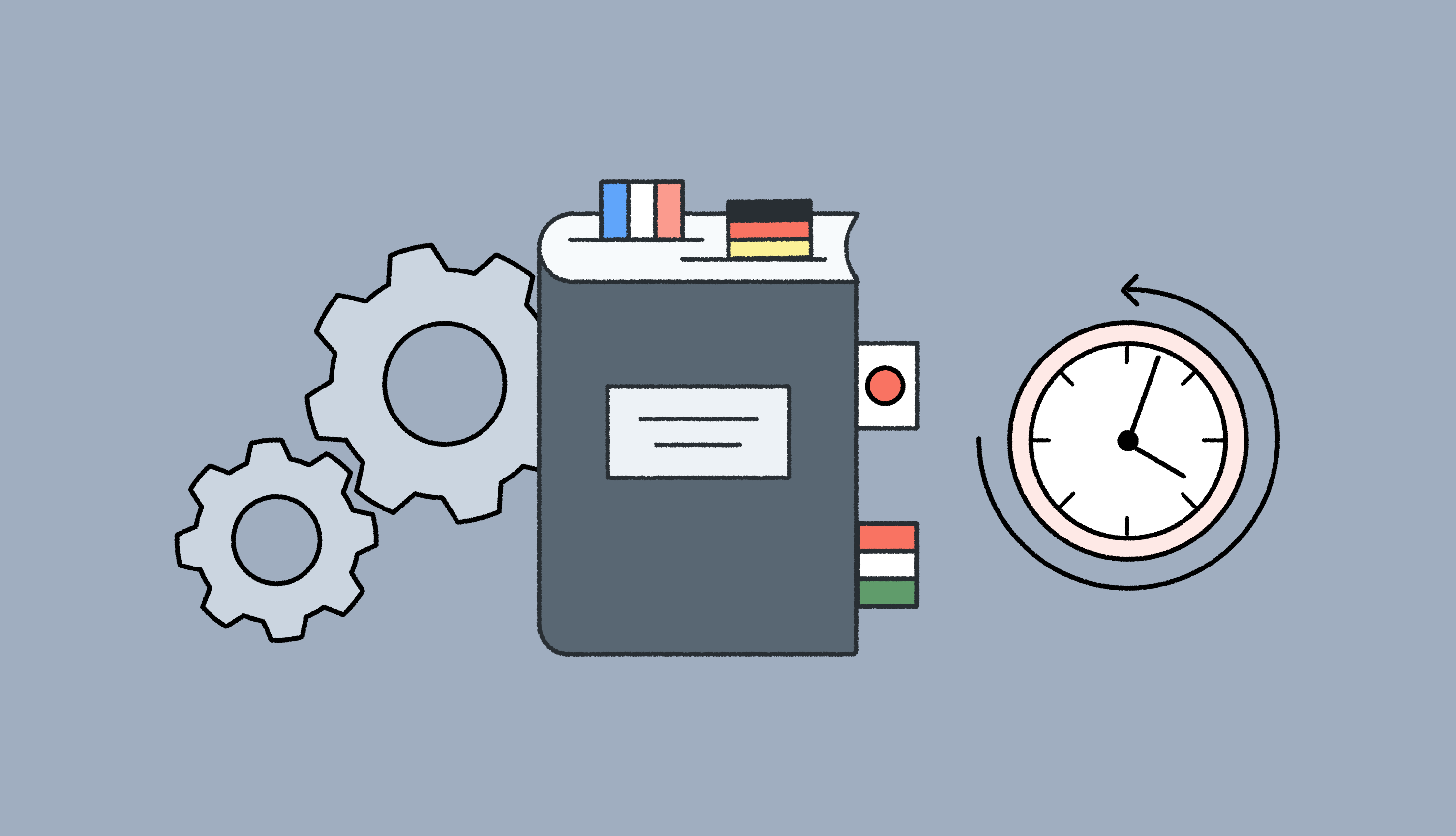
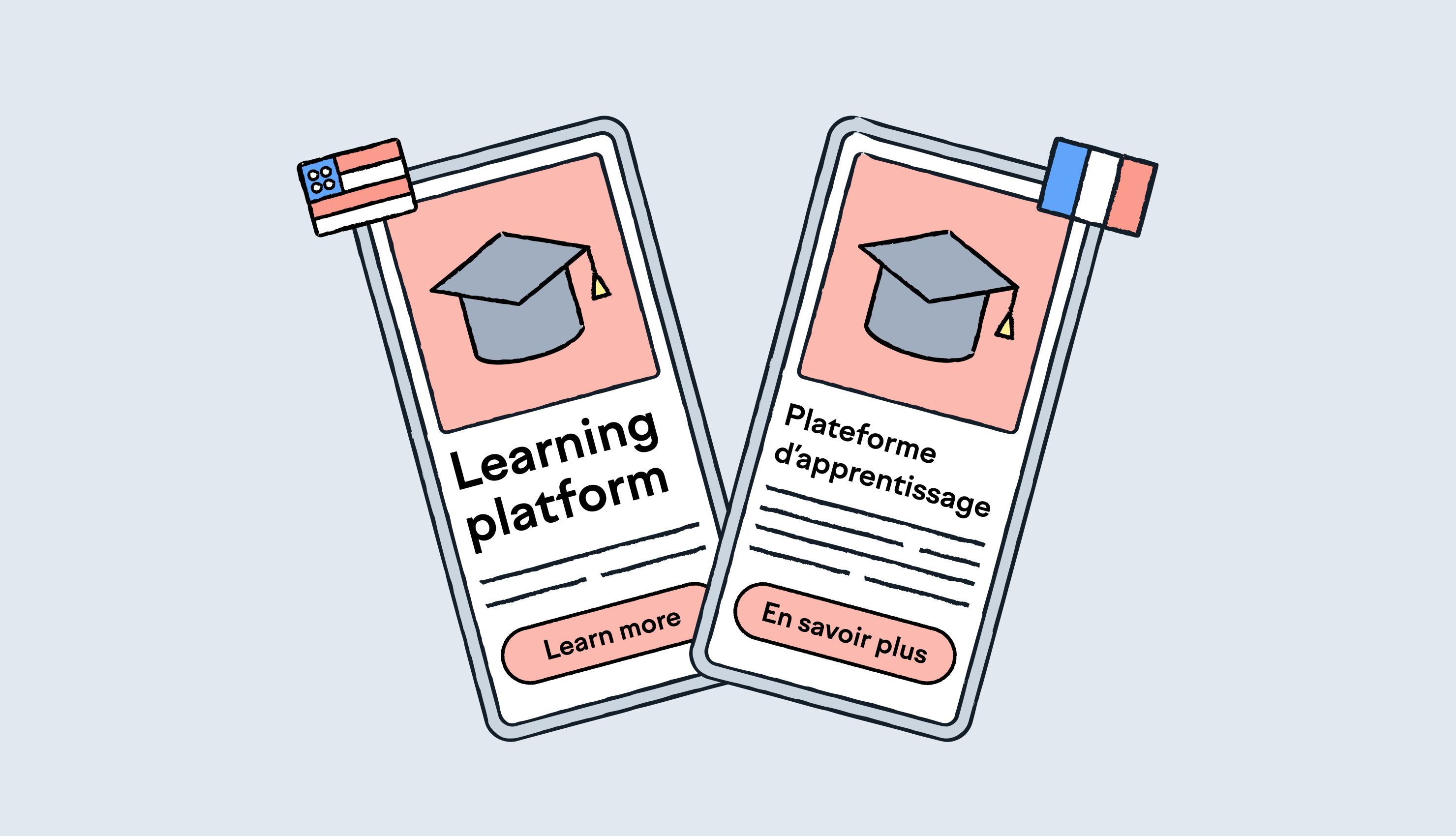
Every time you launch a new campaign, you have to translate everything across multiple languages — product UI, marketing pages, help docs, and more. Without translation memory, translators start from scratch every time — even for content they've already translated. You pay full rates again. Every team uses its own terminology again. And your localization process delays market entry. Translation memory (TM) software stores every translated string as a reusable segment in a d
Updated on February 20, 2026·Shreelekha Singh The 5 best in-context editor (ICE) tools for localization quality
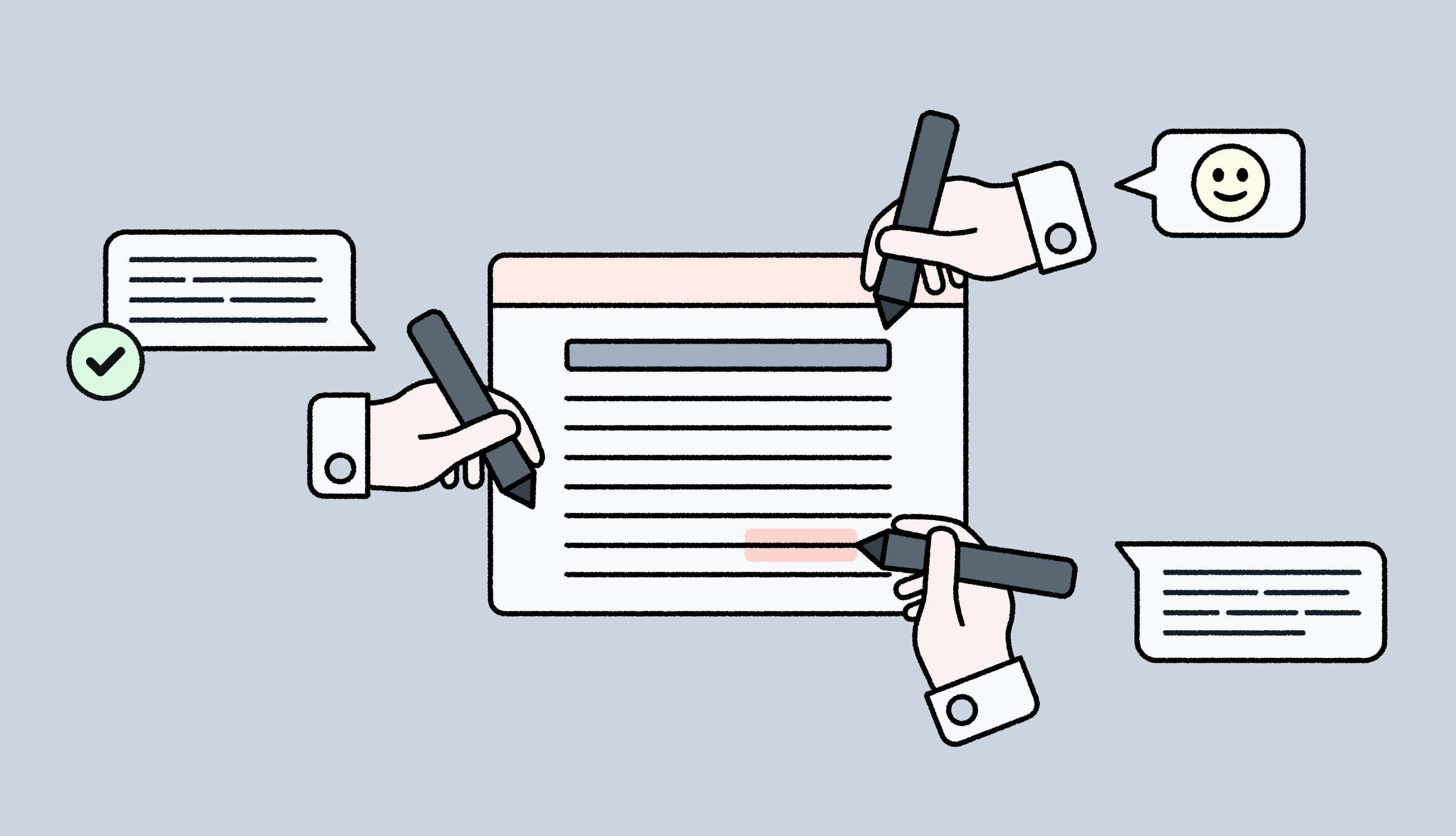
When translators work on a bunch of strings listed in spreadsheets and CSVs, they're essentially flying blind. Without seeing where these phrases appear, even experienced linguists struggle to make the right call on tone, length, and word choice. In-context editors (ICE) tools like Lokalise solve this issue by giving translators a real-time preview of the pages or apps they’re translating. So, they can see each string in the actual interface and edit it accordingly.
Updated on January 29, 2026·Shreelekha Singh How AI is changing design-stage localization
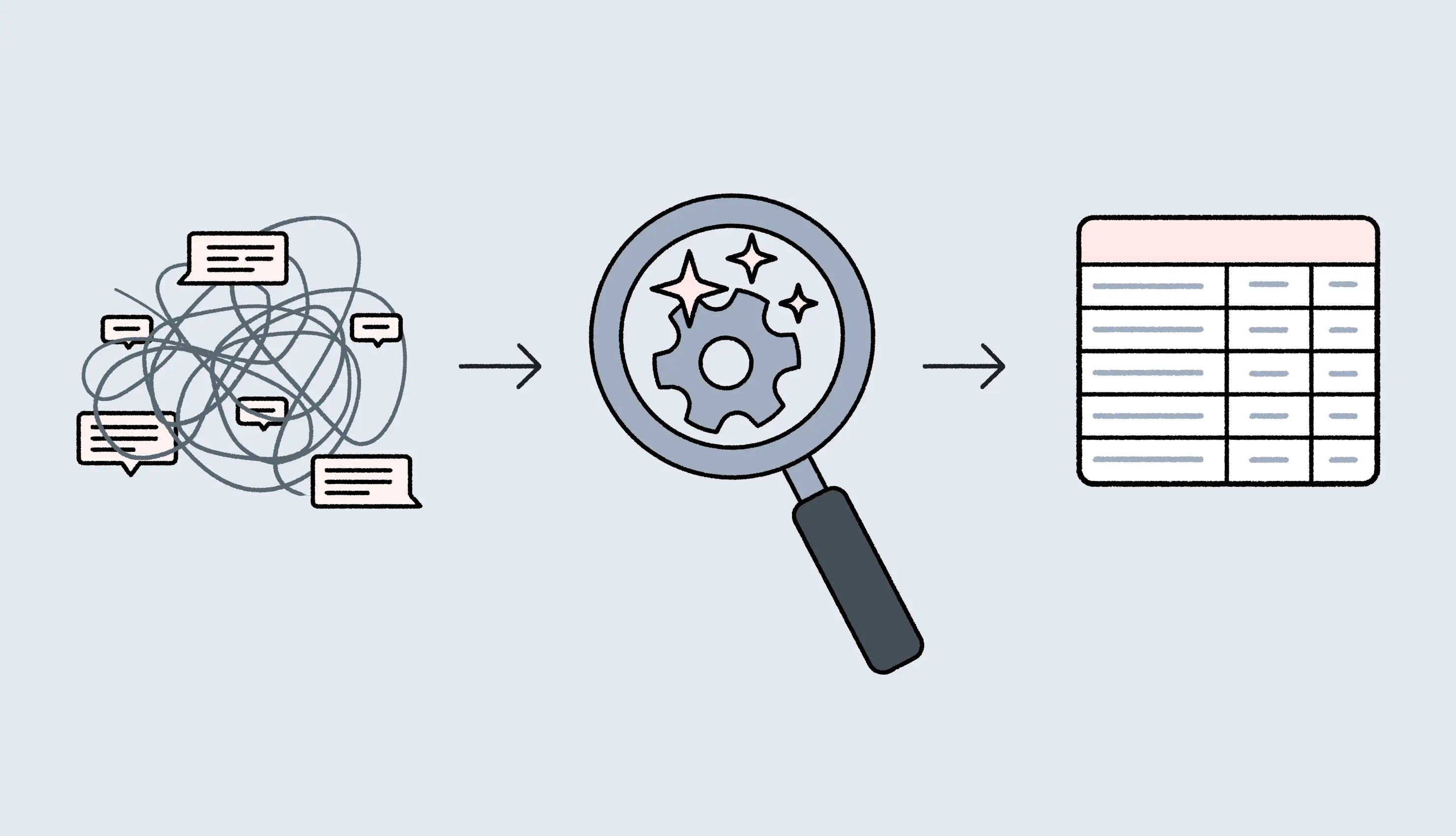
Designers work in Figma. Developers work in GitHub. Localization teams work in localization software. Each team operates in isolation, creating context-switching delays that slow down your launch timelines. Design-stage localization changes this equation bringing translation into the design phase. And with AI integrated into your setup, this process can become even faster. Instead of waiting days for translations, designers get AI-translated strings in minu
Updated on January 29, 2026·Shreelekha Singh Positioning localization as a core driver of global revenue
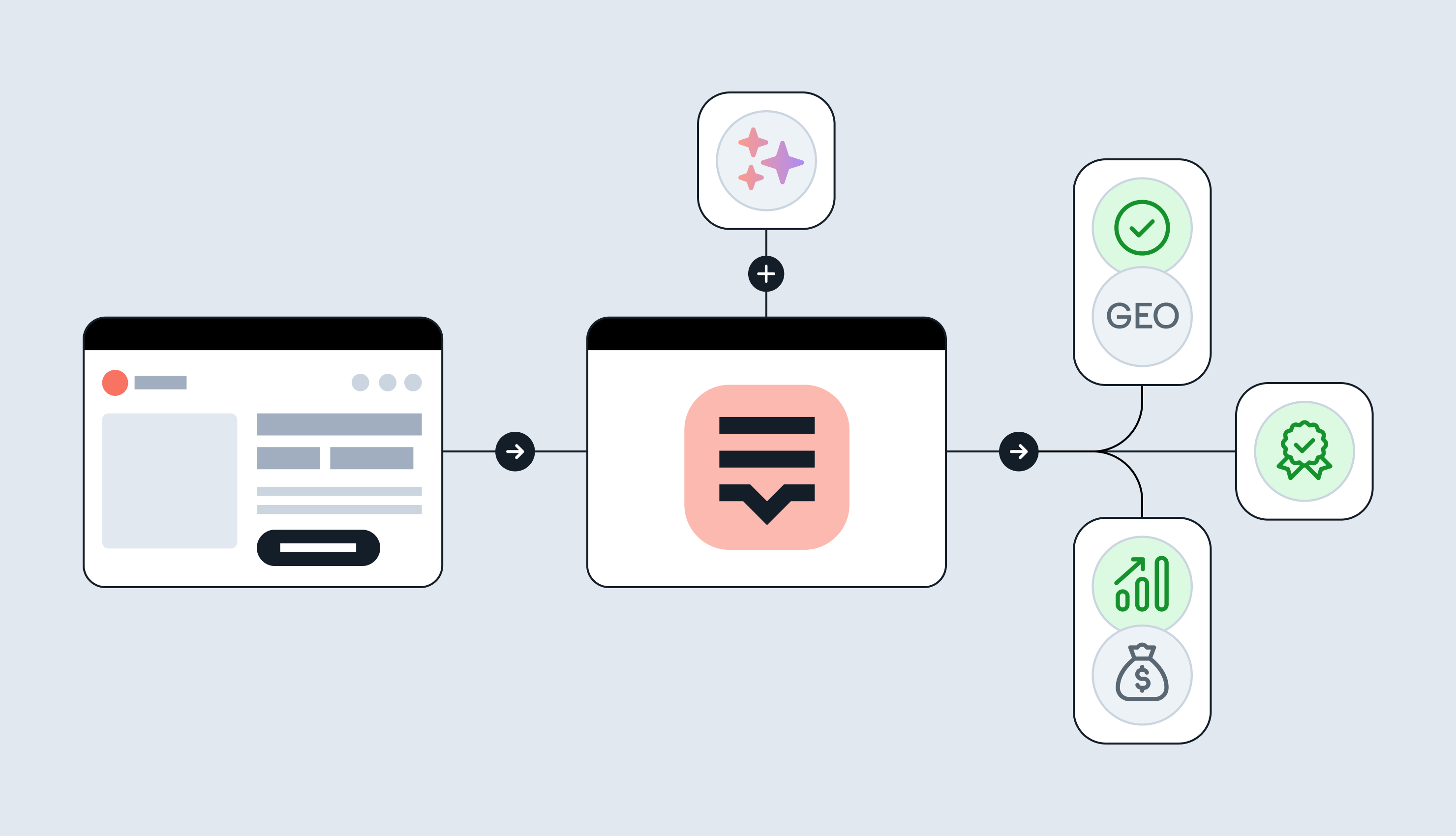
Localization is a revenue driver, not a cost of doing business globally. Our Localization Revenue Report proves it. Two out of three companies attribute 26–50% of their revenue growth to localization. Another 11% say it drives more than half their growth. Do the math: a $100 million company sees $26–50 million in growth tied directly to localization.<
Updated on December 19, 2025·Shreelekha Singh E-learning translation 101: How to build content that travels well
Translating your e-learning content is never a straight and easy path. You have to rethink the entire learning experience to make it feel natural and seamless in a different language. That means every element, from text and subtitles to graphics, voice-overs, and quizzes, has to line up perfectly. The problem? Most teams treat translation as a last step. When you roll out your e-learning resources, you realize that the subtitles don’t match the narration, gr
Updated on December 19, 2025·Shreelekha Singh How to Win Organic Visibility with SEO Translation
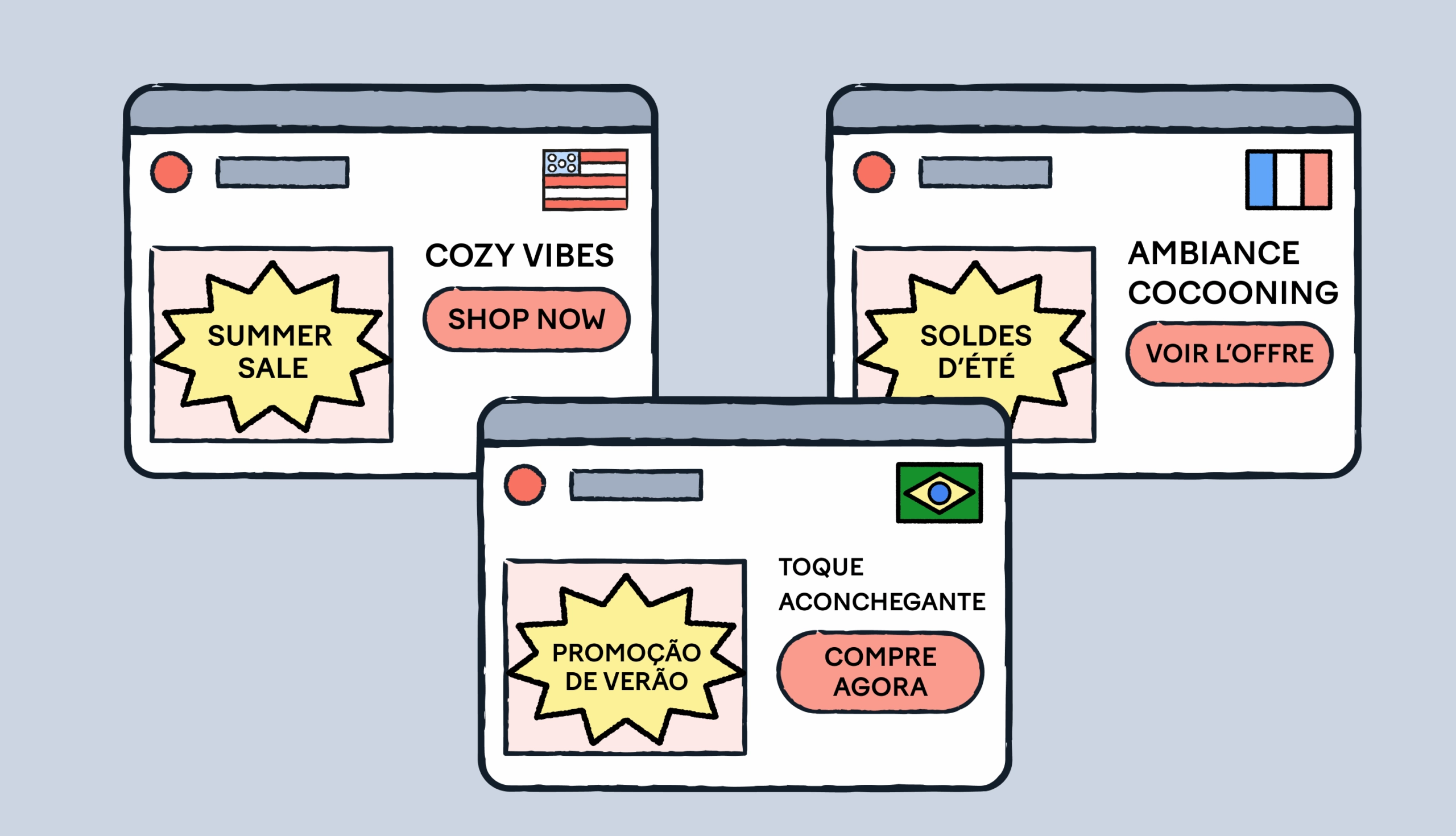
You’ve meticulously translated your content into French, Spanish, and Arabic. But traffic is still flatlining across all these markets. Why? Because your website is practically invisible to search engines. The problem? You’re translating content only for linguistic and cultural accuracy, not for search engines. SEO translation modifies your content based on how people search and what search engines prefer in a local market. It maintains linguistic accuracy and cultural conte
Updated on August 29, 2025·Shreelekha Singh The International SEO Checklist: Go Global Without Growth Pains
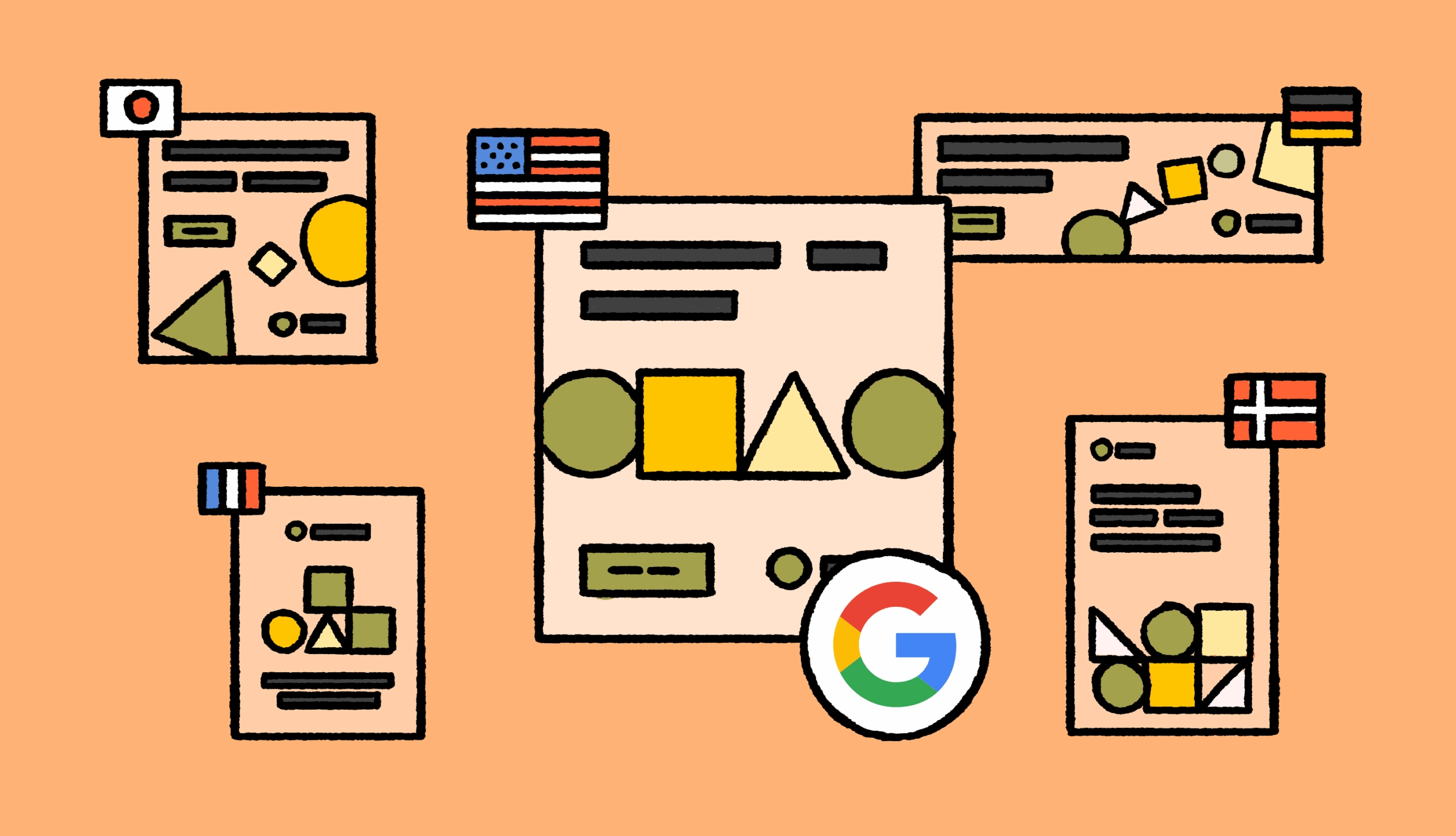
International SEO is just SEO set on difficulty level: hard. Pick the wrong URL structure? Rebuild everything from scratch. Misunderstand local search behavior? Watch your content strategy crumble. Skip proper hreflang implementation? Google shows Hindi content to German users. The brands winning at international SEO don’t simply wing it. They follow a systematic approach to handle market research, technical setup, localization, and more. That’s why we created th
Updated on August 7, 2025·Shreelekha Singh Transcreation vs Localization: Which Approach is Right for You
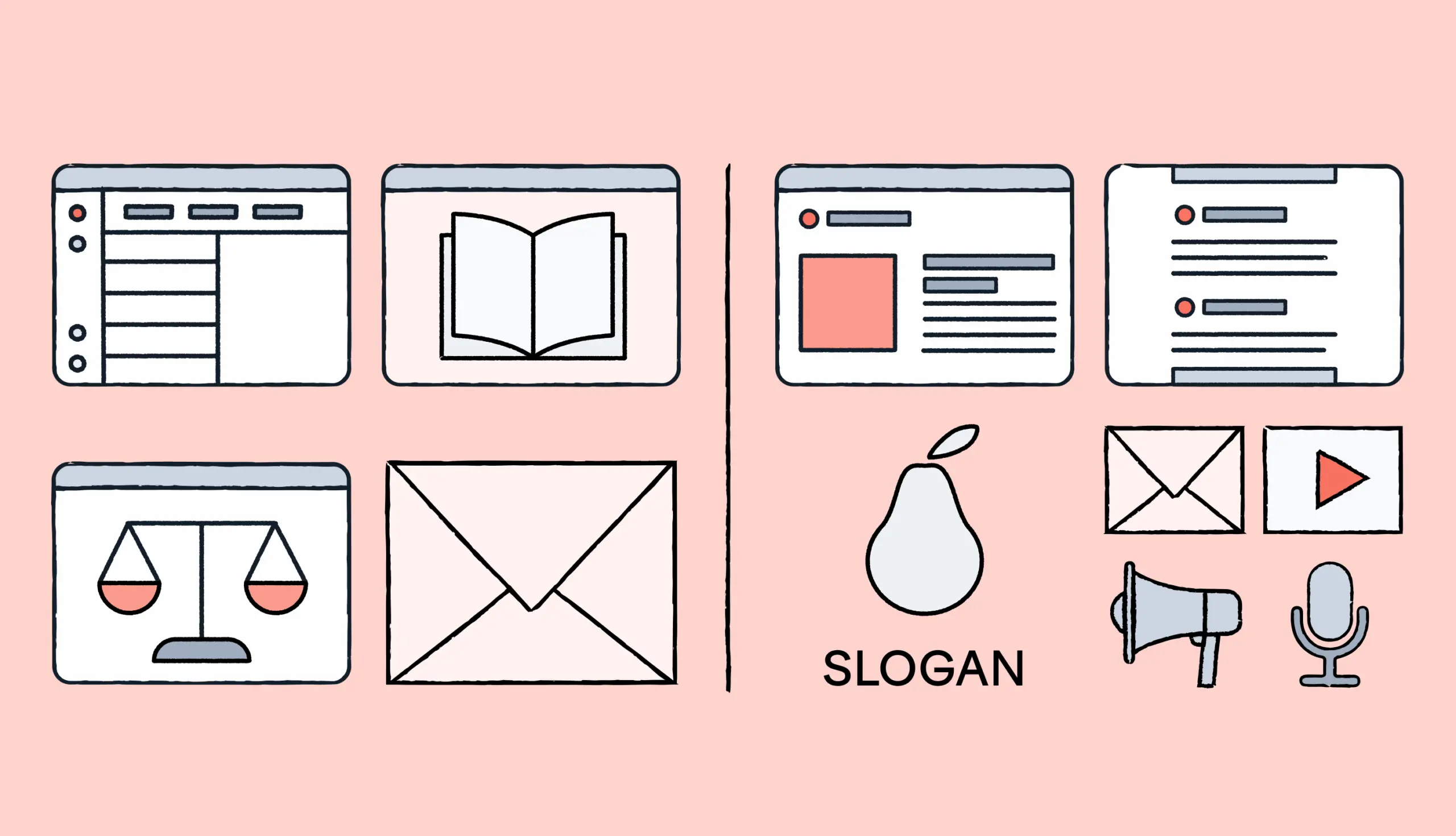
When Coca-Cola launched its famous “Share a Coke” campaign in China, it tanked. Since most Chinese consumers don’t go by just one name, the idea of printing common first names on bottles didn’t work well. So, the brand adapted this campaign to print social labels like “Comedian” and “Fashionista.”
Updated on July 18, 2025·Shreelekha Singh