How Lokalise integrates with your enterprise tech stack: Salesforce, CMS, DAM, and API
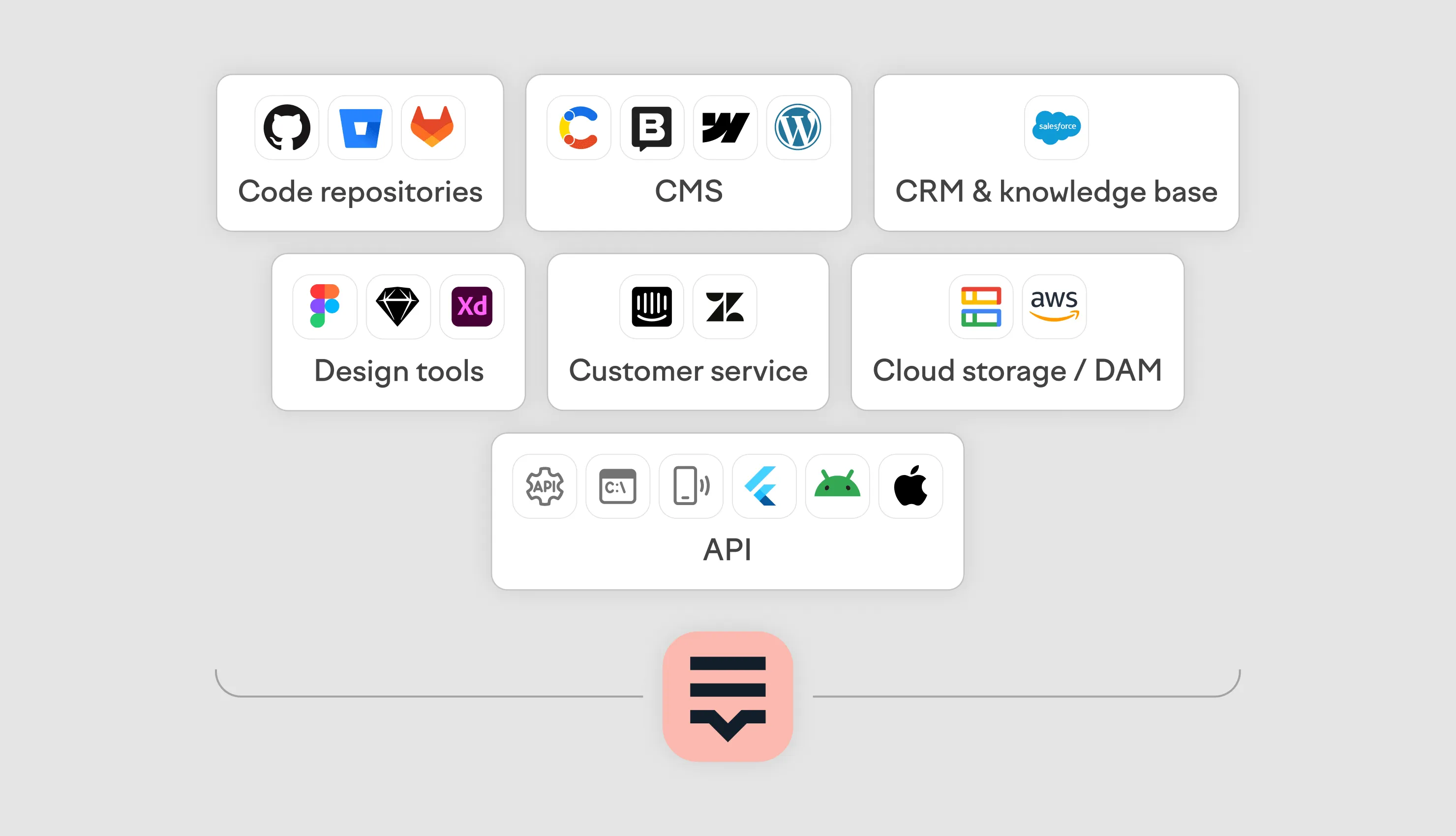
Enterprise localization doesn't fail because of bad translations. It fails because tools don't talk to each other. Content sits in a CMS. Code lives in GitHub. Sales teams work in Salesforce. Support runs on Zendesk. Designers are in Figma. When the localization platform can't connect to all of them, someone ends up exporting files, emailing them around, and importing them back. That's where errors, delays, and missed launches come from. Lokalise
Updated on July 22, 2026·Ilya Krukowski Best TMS platforms for developers: API, CLI, and SDK support compared
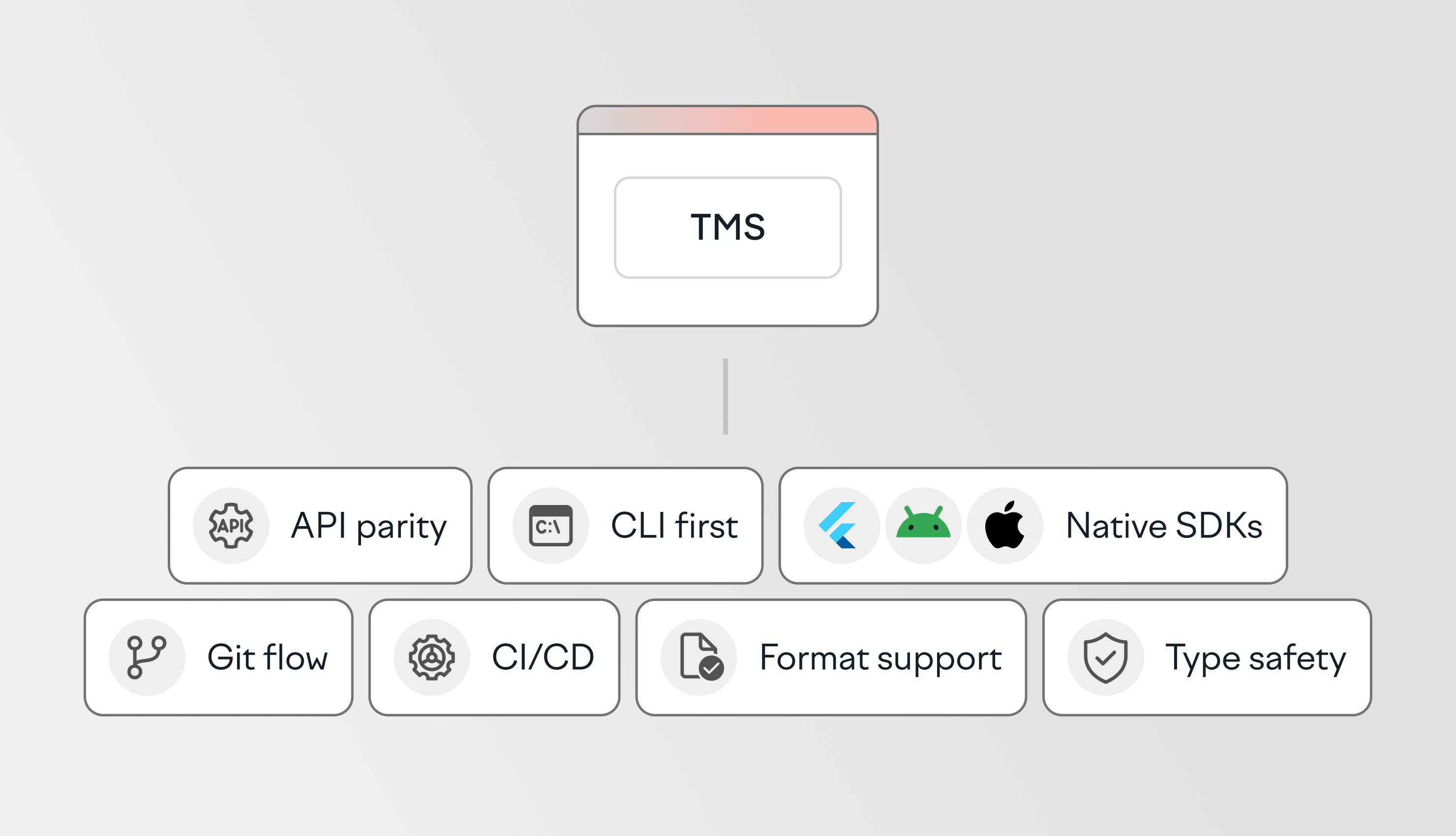
Developer-focused translation management systems (TMS) are designed to fit into existing engineering workflows. Instead of relying on manual exports, imports, and handoffs, they help teams automate localization through APIs, version control, CI/CD pipelines, and SDKs. This guide compares the best TMS platforms for developers, based on what actually matters in practice:
Updated on July 23, 2026·Mia Comic MCP vs REST API for Localization: When to Use Each
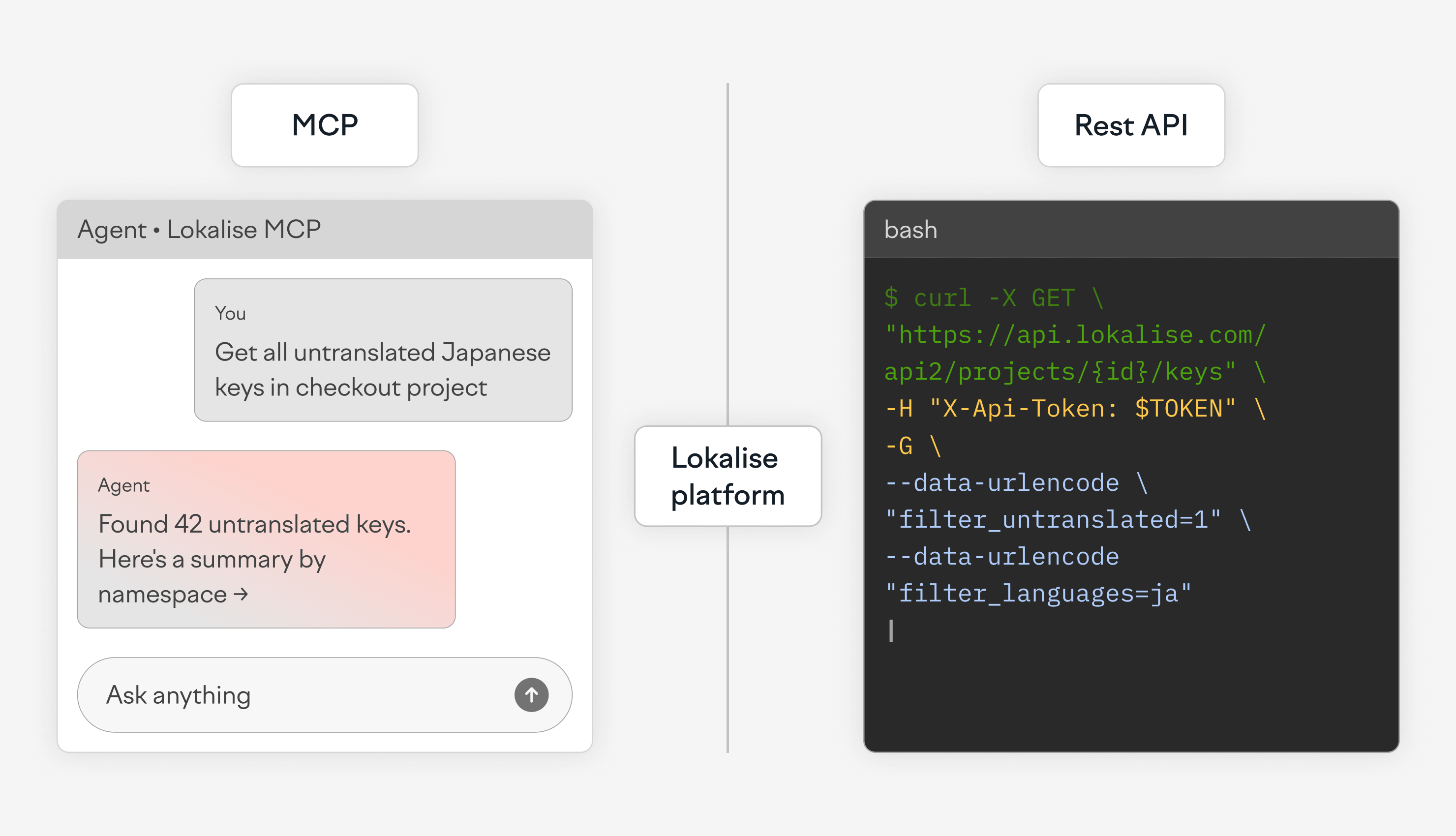
Lokalise gives developers two programmatic ways to manage localization workflows: the REST API and the MCP Server. In any MCP vs API localization decision, the key point is that one does not replace the other. The REST API is built for scripted, repeatable, deterministic automation, such as CI/CD pipelines, batch imports, and webhook-driven deployments.
Updated on June 10, 2026·Ilya Krukowski The global app launch stack: DevOps, development, and localization
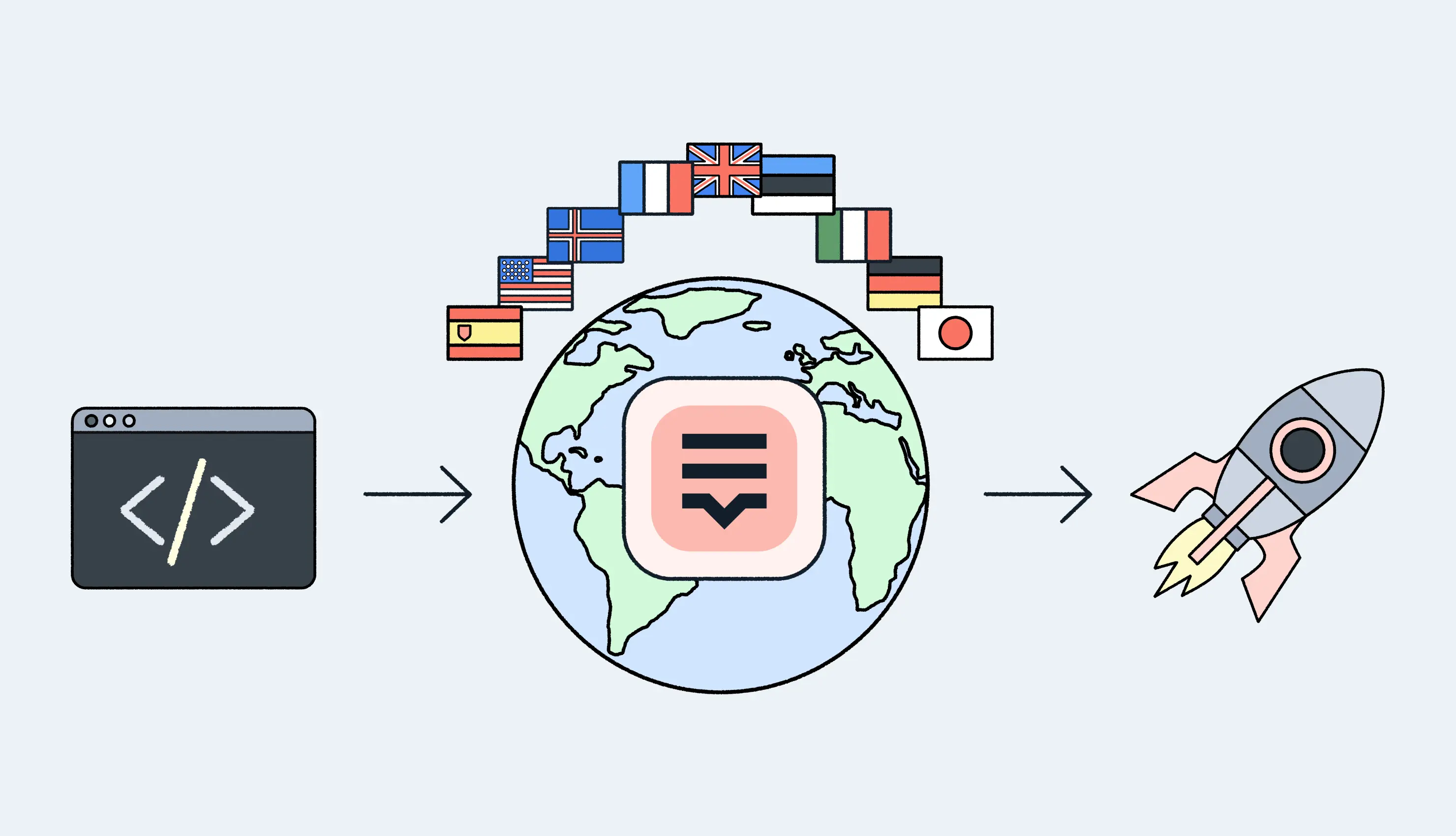
Launching an app globally isn’t just about shipping a build to the App Store or Google Play. A real global release depends on the tech stack for a global app launch — the set of development, localization, and DevOps tools that let teams ship updates across multiple languages and markets at the same time. This is where many teams hit the wall. Code might be ready, but translations lag behind. Marketing texts live in spreadsheets. Releases get delayed because localization happe
Updated on July 23, 2026·Ilya Krukowski Syncing Lokalise translations with GitLab pipelines
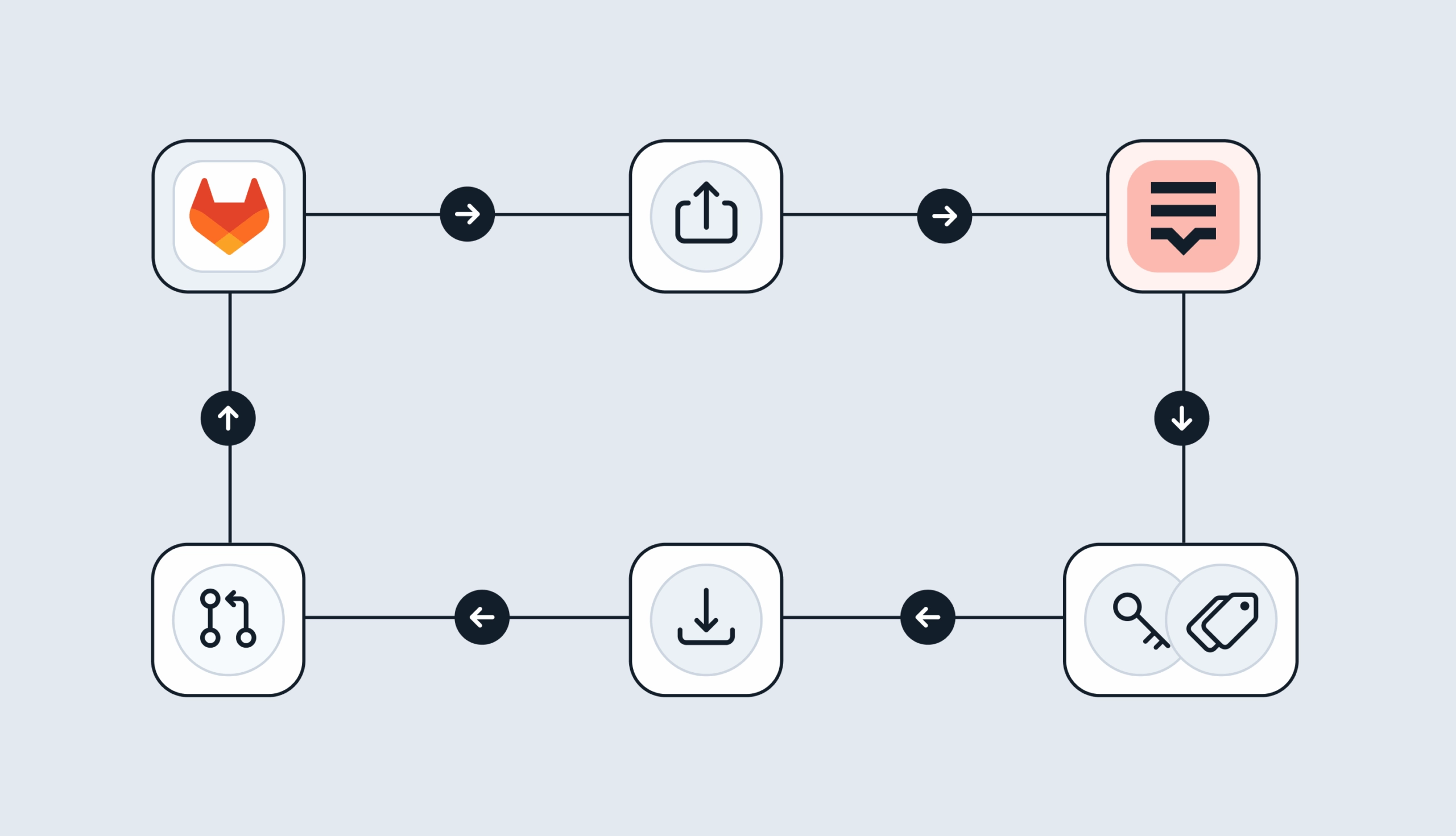
In this guide, we’ll walk through building a fully automated translation pipeline using GitLab CI/CD and Lokalise. From upload to download, with tagging, version control, and merge requests. Here’s the high-level flow: Upload your source language files (e.g. English JSON files) to Lokalise from GitLab using a CI pipeline.Tag each uploaded key with your Git branch name. This helps keep translations isolated per feature or pull request
Updated on August 18, 2025·Ilya Krukowski Build a smooth translation pipeline with Lokalise and Vercel
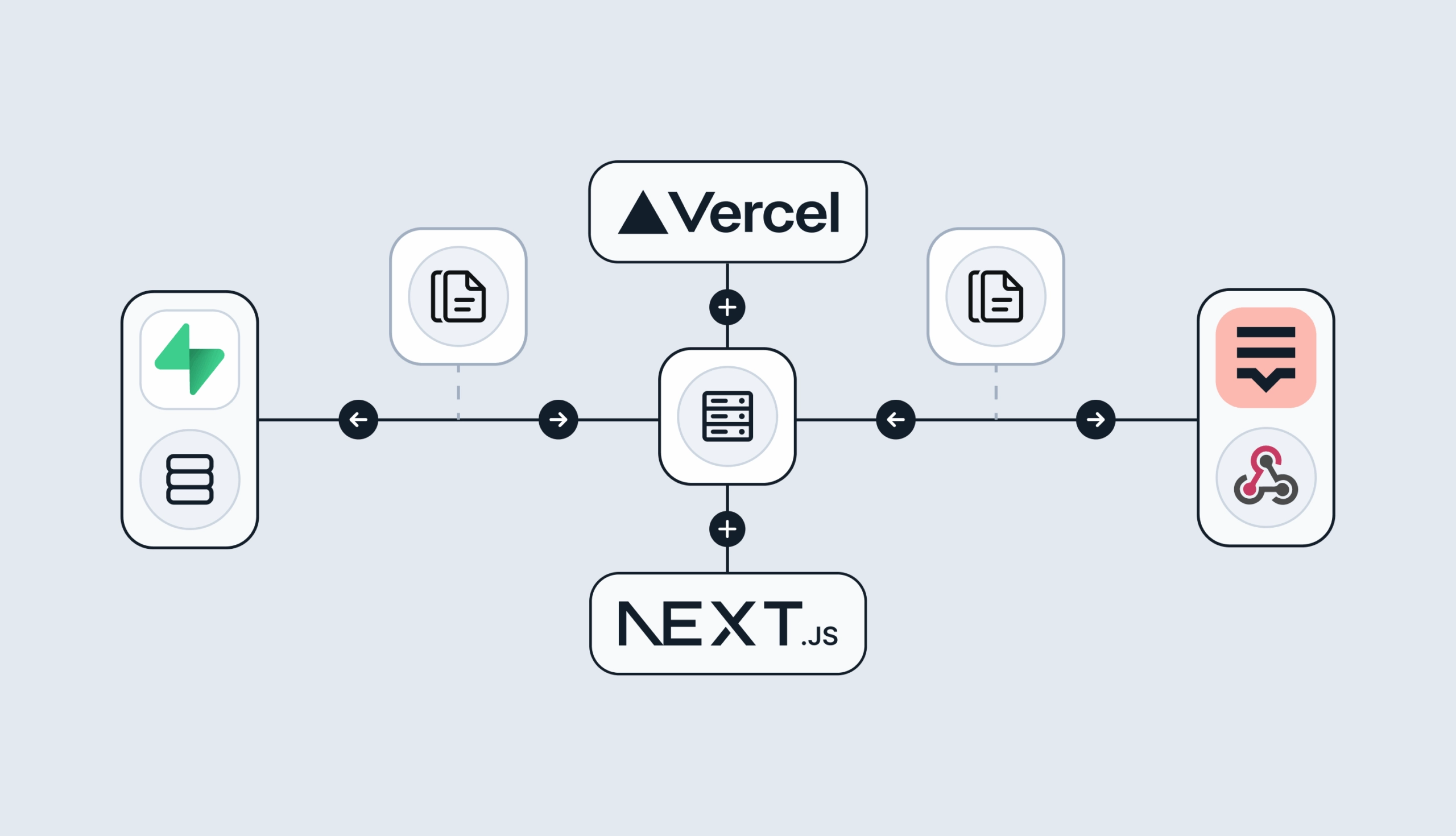
Internationalization can sometimes feel like a massive headache. Juggling multiple JSON files, keeping translations in sync, and redeploying every time you tweak a string… What if you could offload most of that grunt work to a modern toolchain and let your CI/CD do the heavy lifting? In this guide, we’ll wire up a Next.js 15 project hosted on Vercel. It will load translation files on demand f
Updated on August 13, 2025·Ilya Krukowski Hands‑on guide to GitHub Actions for Lokalise translation sync: A deep dive
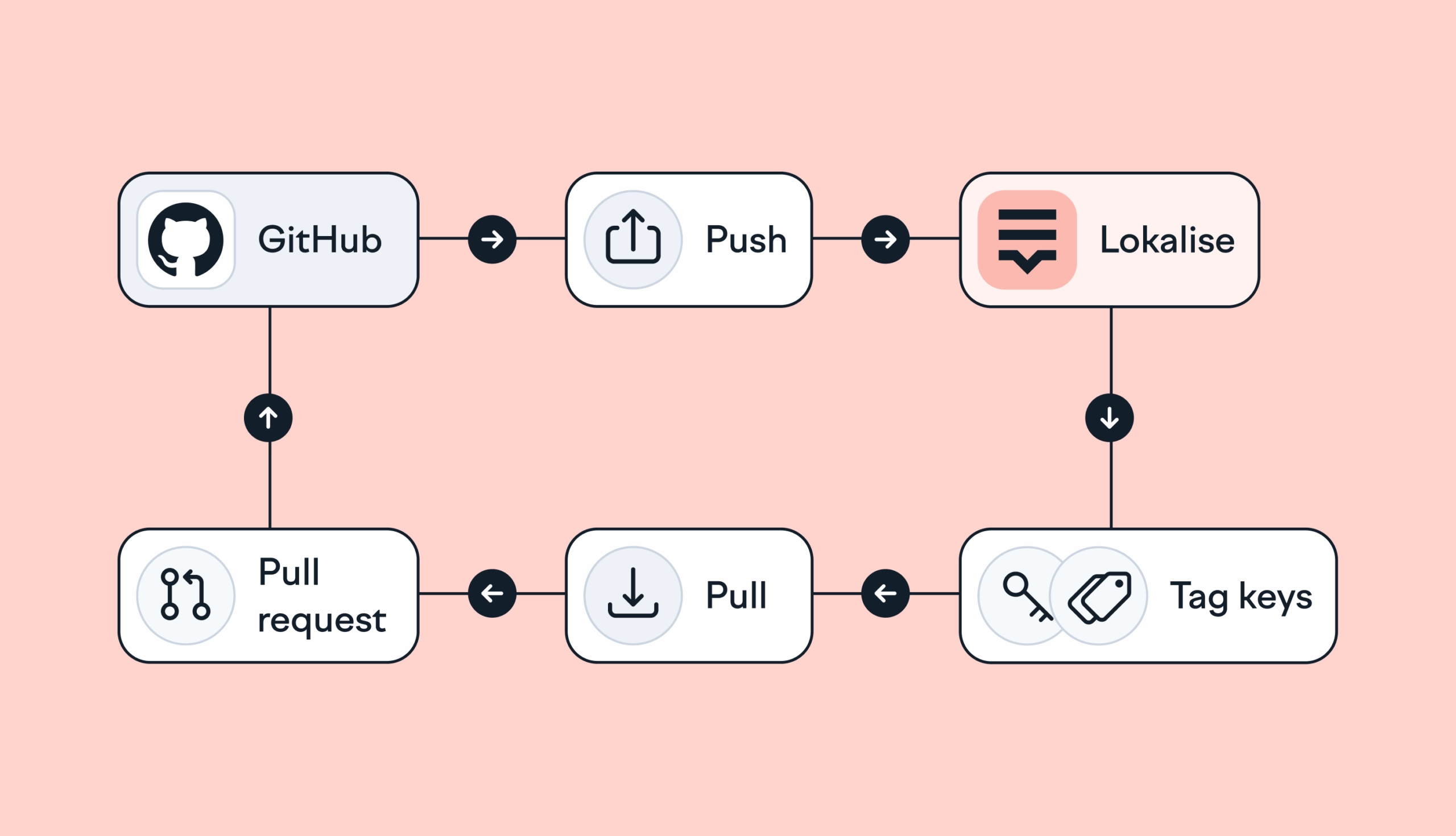
In this tutorial, we’ll set up GitHub Actions to manage translation files using Lokalise: no manual uploads or downloads, no reinventing a bicycle. Instead of relying on the Lokalise GitHub app, we’ll use open-source GitHub Actions. These let you push and pull translation files directly via the API in an automated way. You’ll learn how to: Push translation files from your repo to LokalisePull translated content back and open pull requests automaticallyWork w
Updated on August 4, 2025·Ilya Krukowski Easy guide to technical localization (+ free checklist)
When companies take their product global, something almost always breaks. Text doesn’t fit. Interfaces glitch. The UI layout looks off. Sometimes, features even stop working entirely. This isn’t just bad luck or sloppy translation. It’s a technical issue that happens when localization is treated as an afterthought instead of something to build for from day one. And that’s the part that trips most teams up. There’s no single “owner” of technical localization. It’s shared across eng
Updated on June 30, 2025·Mia Comic