The real cost of building in-house AI translation
The model API is the cheap part. This is what it actually costs to automate AI translation, give it your company's context, learn to trust the output, and keep the system running.

This category explores the technological frontier of language. We dive deep into how to integrate the latest LLMs (GPT, Claude) into your workflow, and the critical need for AI quality assurance and governance. Content is designed for Localization Managers and Engineers who need to leverage AI for scale while maintaining high quality, consistency, and data security. Learn to manage translation memory (TM) alongside AI output to maximize speed and cost savings.
The model API is the cheap part. This is what it actually costs to automate AI translation, give it your company's context, learn to trust the output, and keep the system running.
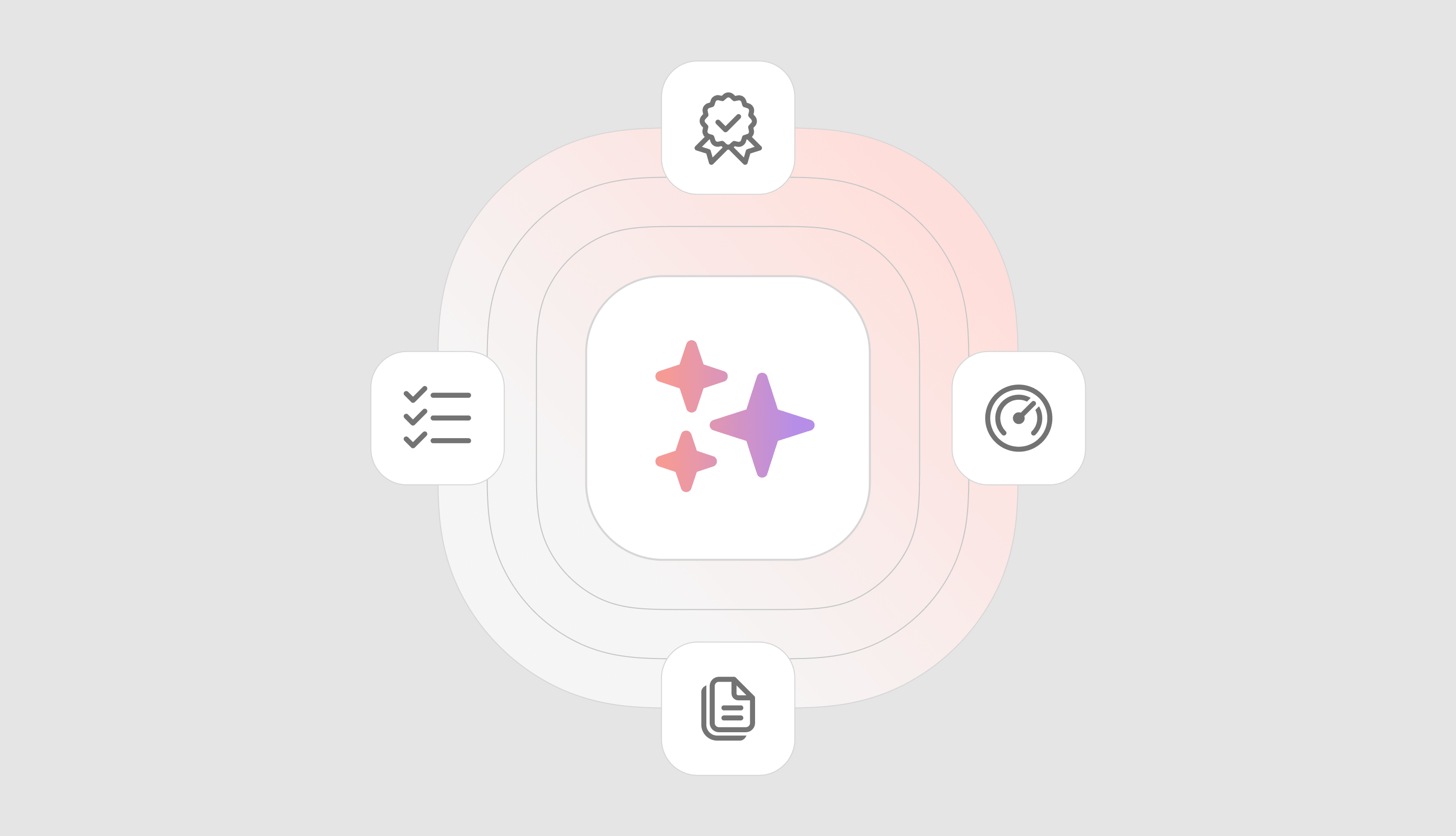
Here's a stat that should make every localization leader uncomfortable: 57% of localization teams say their number one barrier to using AI more is that they don't trust the quality. Not that the quality is bad. That they don't trust it. The distinction matters. AI translation has improved dramatically. Models are better, context-aware systems like
The meeting is going well. Translation costs are down, turnaround times are shorter, and AI is taking on more of the work. Then your VP asks a question: “How do you know the quality of AI translations is good enough?” The expensive part usually starts once you try to answer that question inside a system you built: the real cost of buildi
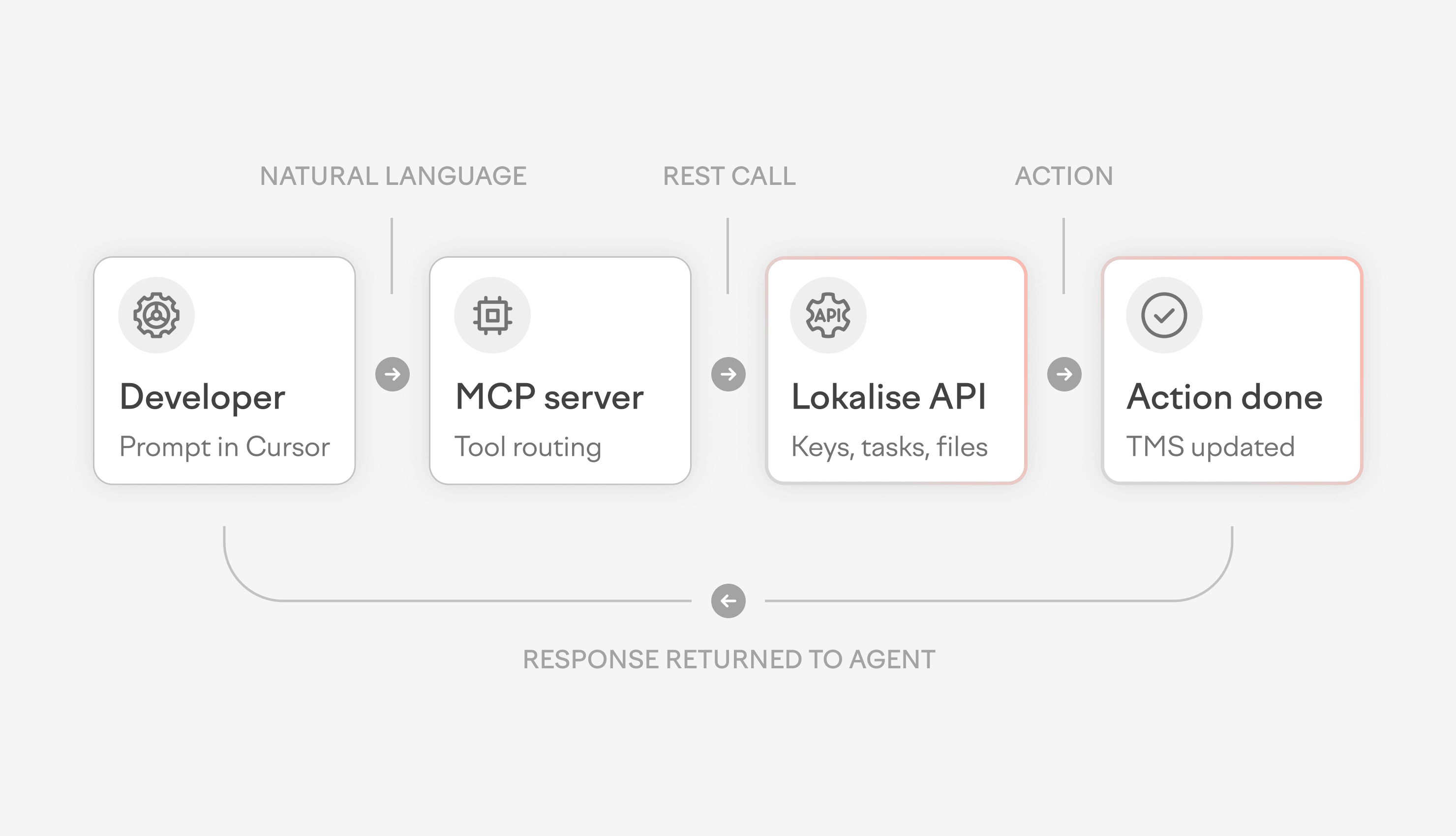
You're in Cursor, working on a new feature, and you need to add a localization key. That means leaving your IDE, opening your TMS, navigating to the right project, making the change, and coming back. Then, doing this all over again the next time you need to check untranslated strings, create a task, or touch anything localization-related. Model Context Protocol (MCP) removes this context-switching loop entirely. Instead of bouncing between tools, your AI coding assistant can inter
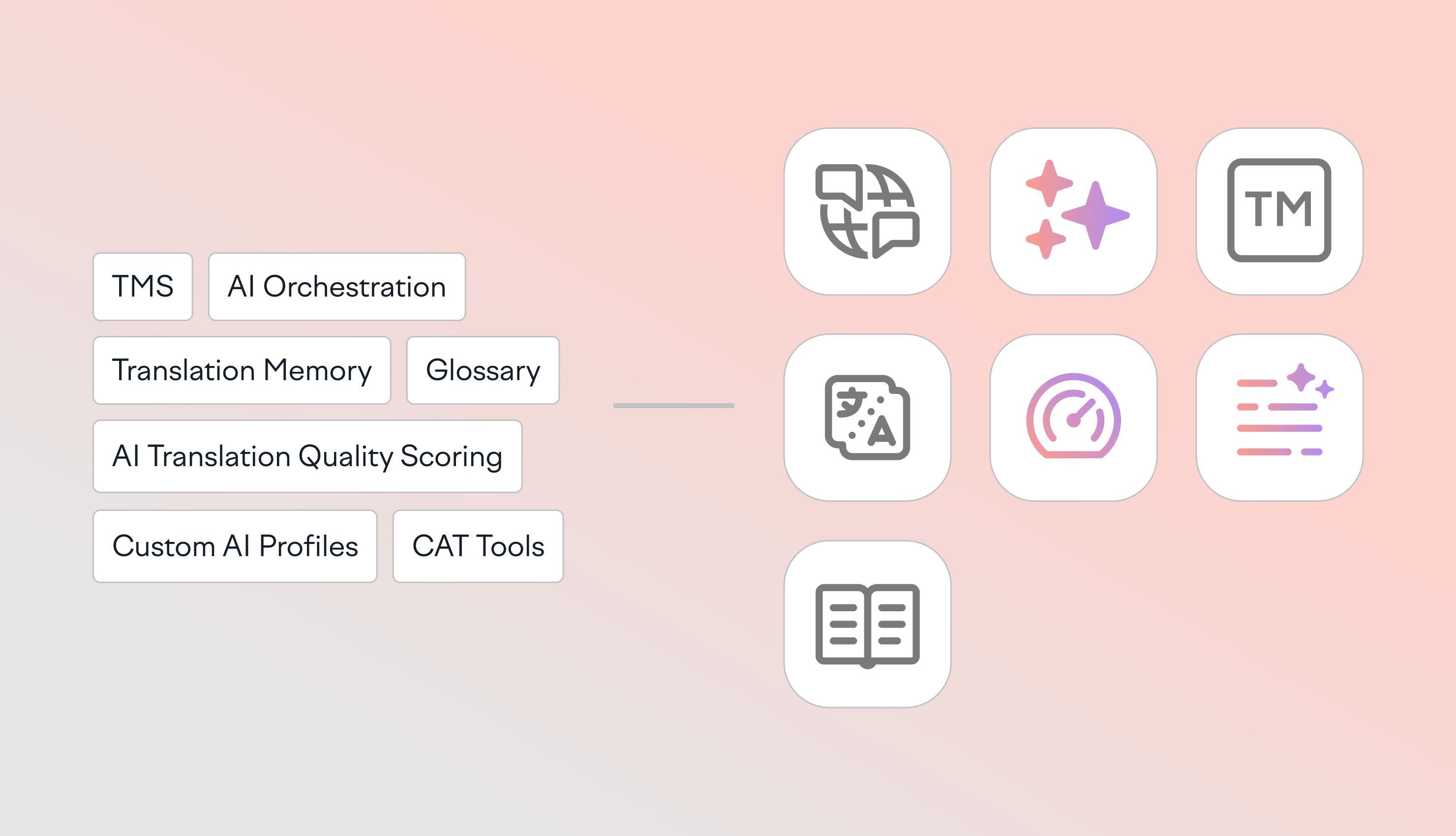
GenAI isn’t just changing how translations are produced. It’s reshaping the entire localization workflow. Most teams didn’t build their workflows for this shift. They’re still relying on a mix of spreadsheets, standalone MT engines, and manual file handoffs. It’s familiar, and for a while, it worked. But it was never designed for the scale teams are dealing with now.
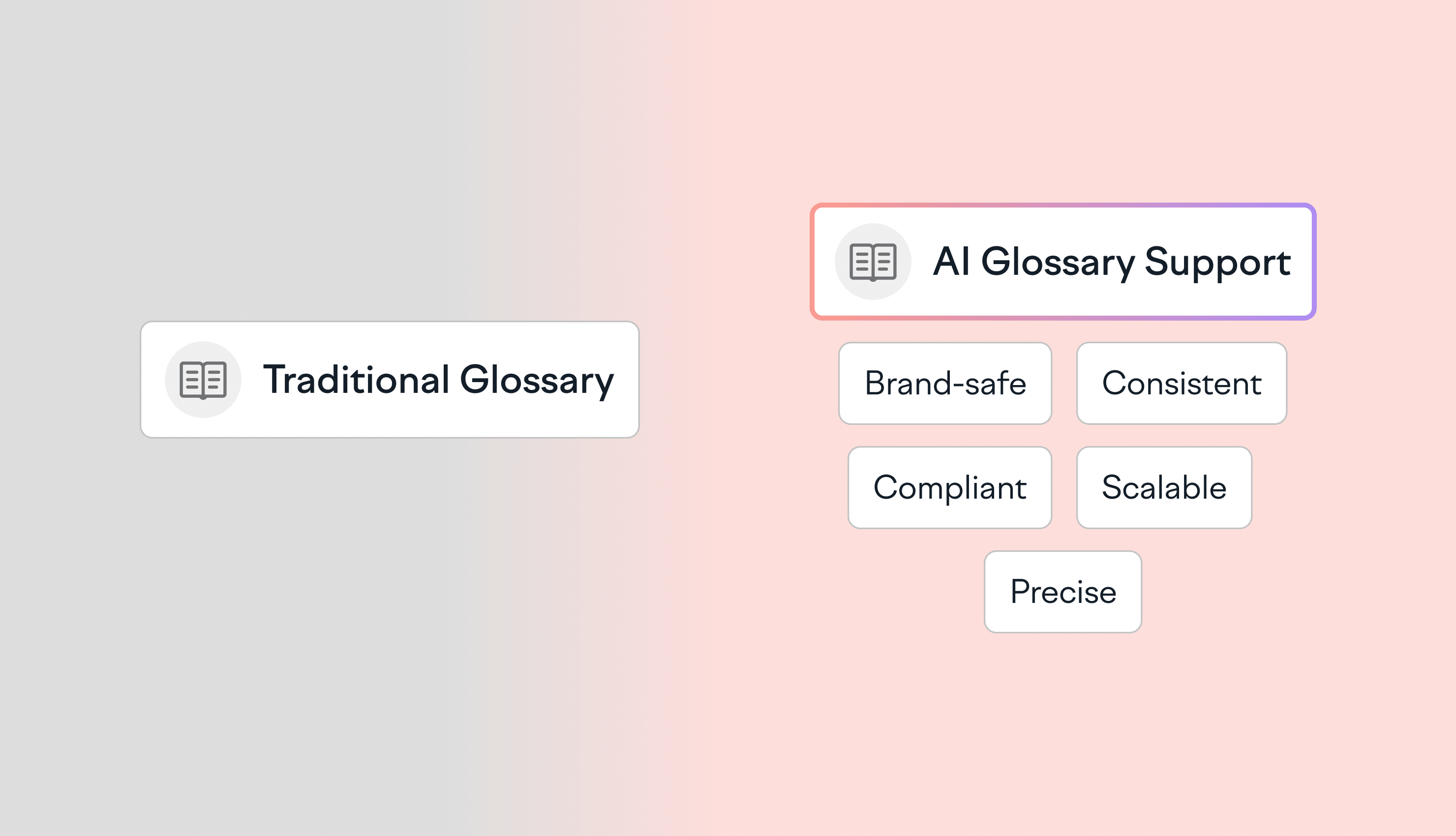
LLMs are fluent in generating outputs, but they're not faithful to your brand. When a general-purpose LLM translates your product UI into 15 languages, it doesn't know which terms are trademarked, which phrases have legal restrictions, or which features are deprecated. It makes a statistical guess. At scale, this guesswork can lead to major inconsistencies, compliance risks, and a post-editing overload. The challenge: AI models’ probabilistic outputs are not ideal
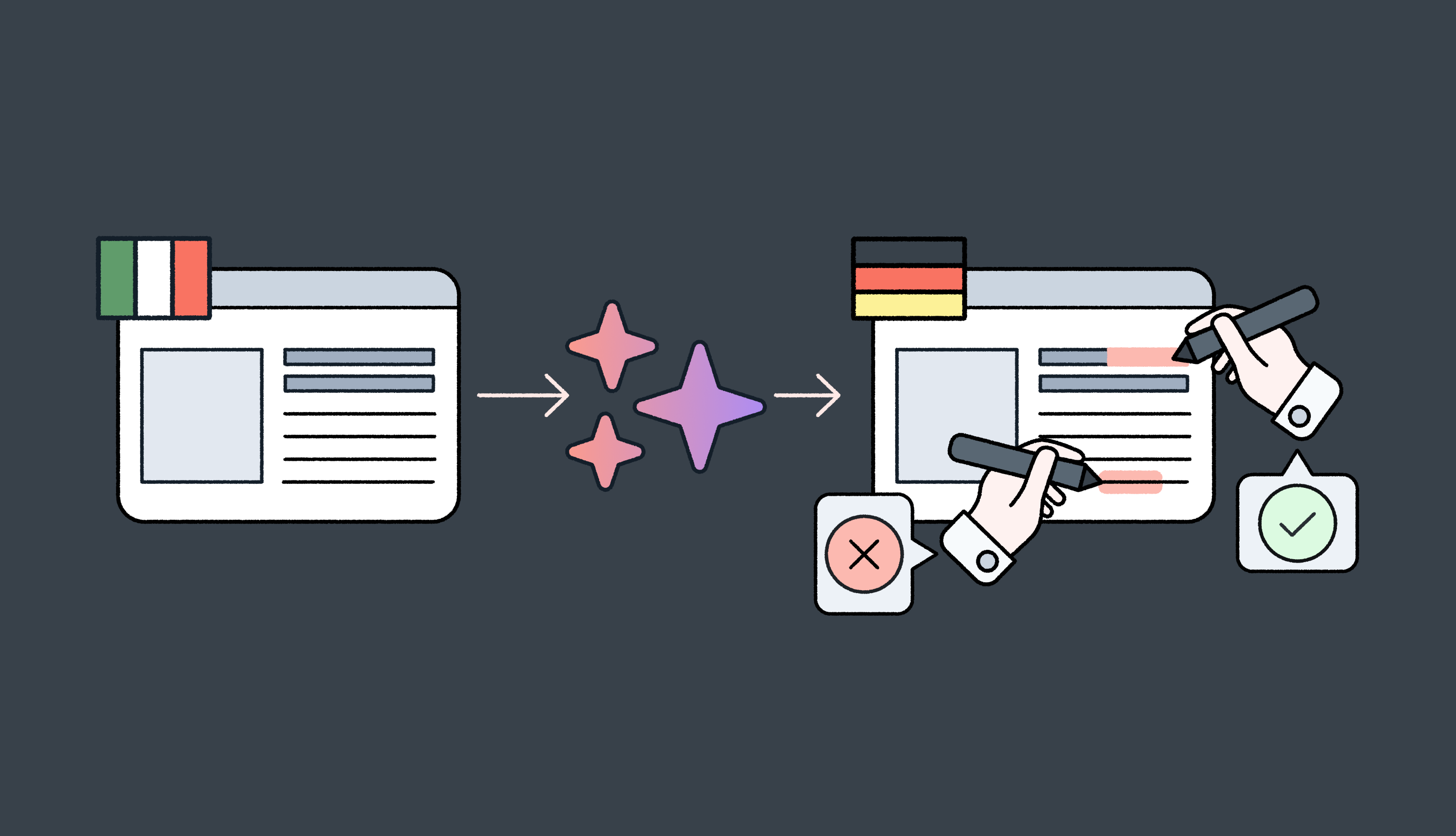
AI translation post-editing tools promise 40-60% cost savings. In practice, you only get those savings when AI output is controlled. This means your terminology is enforced, risky segments are flagged before they go live, and linguists only touch what truly needs human attention. That’s why the best MTPE tools today aren’t standalone CAT tools or MT engines. They’re actually translation management systems (TMS) that orchestrate AI, terminology, and quality assurance in one place.
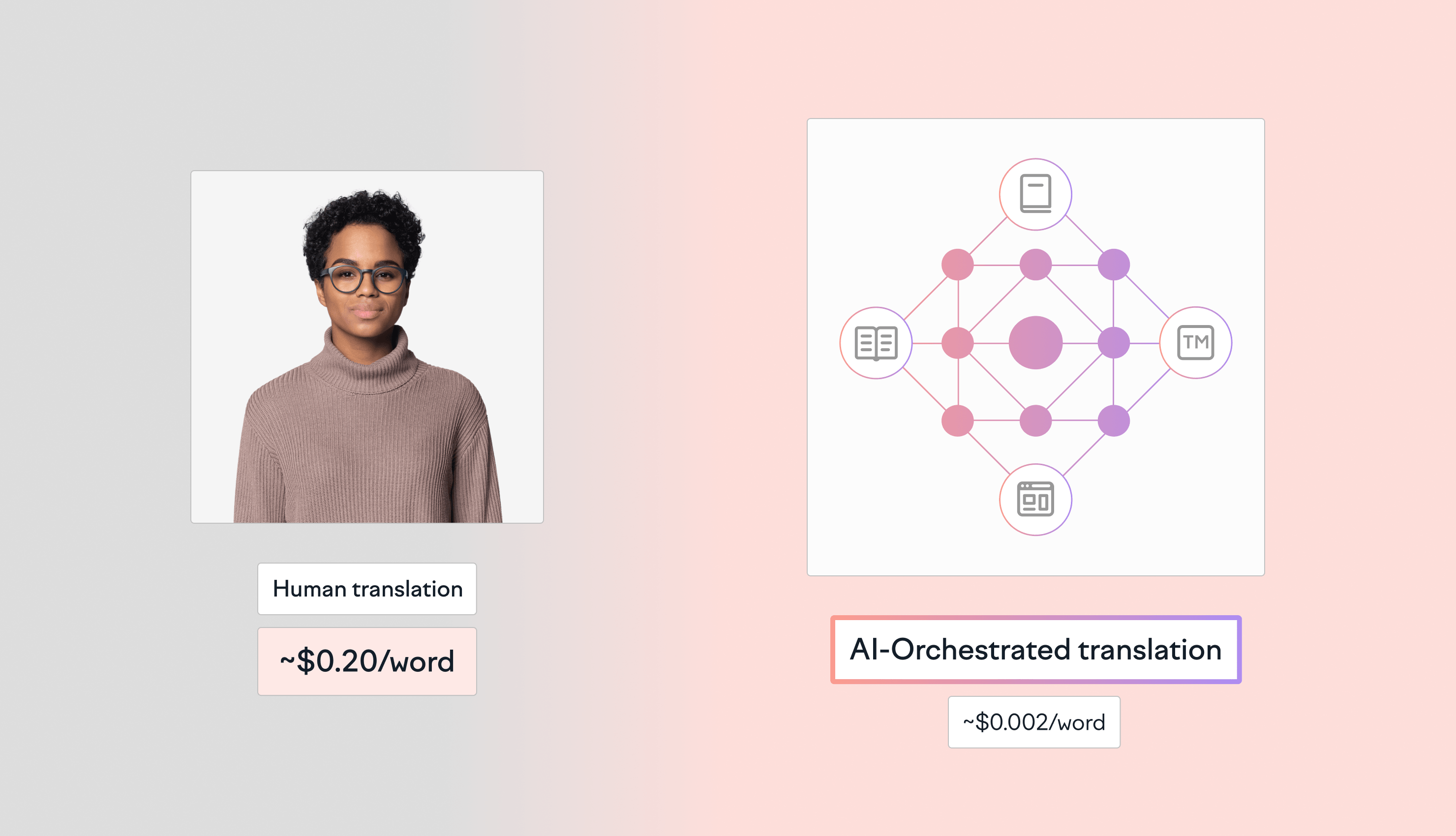
As of 2026, the Total Cost of Ownership (TCO) for enterprise localization has shifted from a per-word human model (~$0.20/word) to an orchestrated AI model (~$0.002/word). This 100x efficiency is driven by AI Orchestration, which automates context retrieval (RAG) and eliminates manual project management overhead. This shift comes from AI orchestration. These systems combine large language models with retrieval-augmented context, terminology databases, translation memory, and automated q








Behind the scenes of localization with one of Europe’s leading digital health providers
Read more Case studies



Localization workflow for your web and mobile apps, games and digital content.
©2017-2026
All Rights Reserved.
