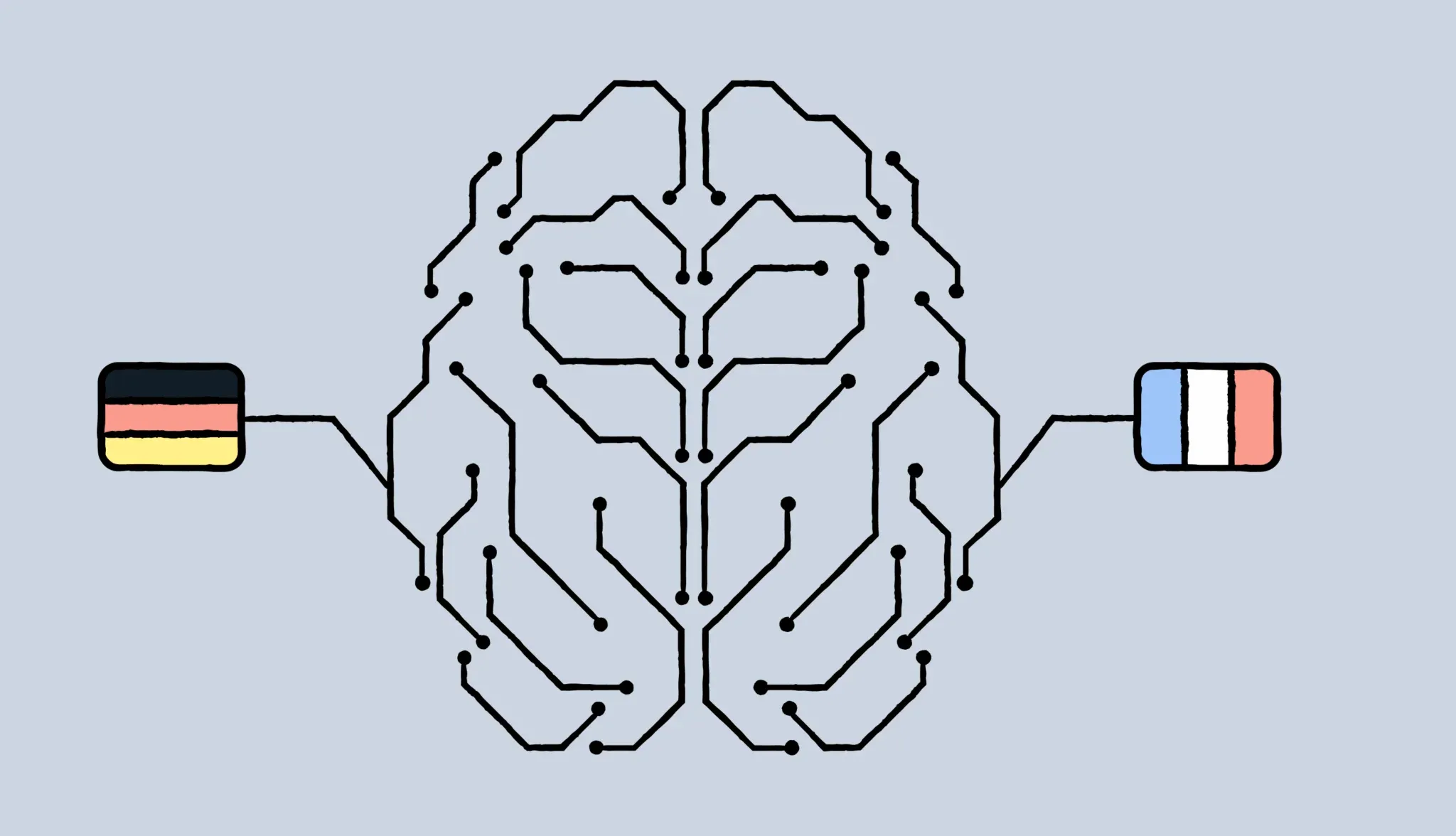
The simplest guide to neural machine translation
Neural machine translation (NMT) sounds technical and complex. But at its core, it’s just how modern AI translates one language into another. If you’ve ever used Google Translate, watched subtitles…

This category explores the technological frontier of language. We dive deep into how to integrate the latest LLMs (GPT, Claude) into your workflow, and the critical need for AI quality assurance and governance. Content is designed for Localization Managers and Engineers who need to leverage AI for scale while maintaining high quality, consistency, and data security. Learn to manage translation memory (TM) alongside AI output to maximize speed and cost savings.
Neural machine translation (NMT) sounds technical and complex. But at its core, it’s just how modern AI translates one language into another. If you’ve ever used Google Translate, watched subtitles…
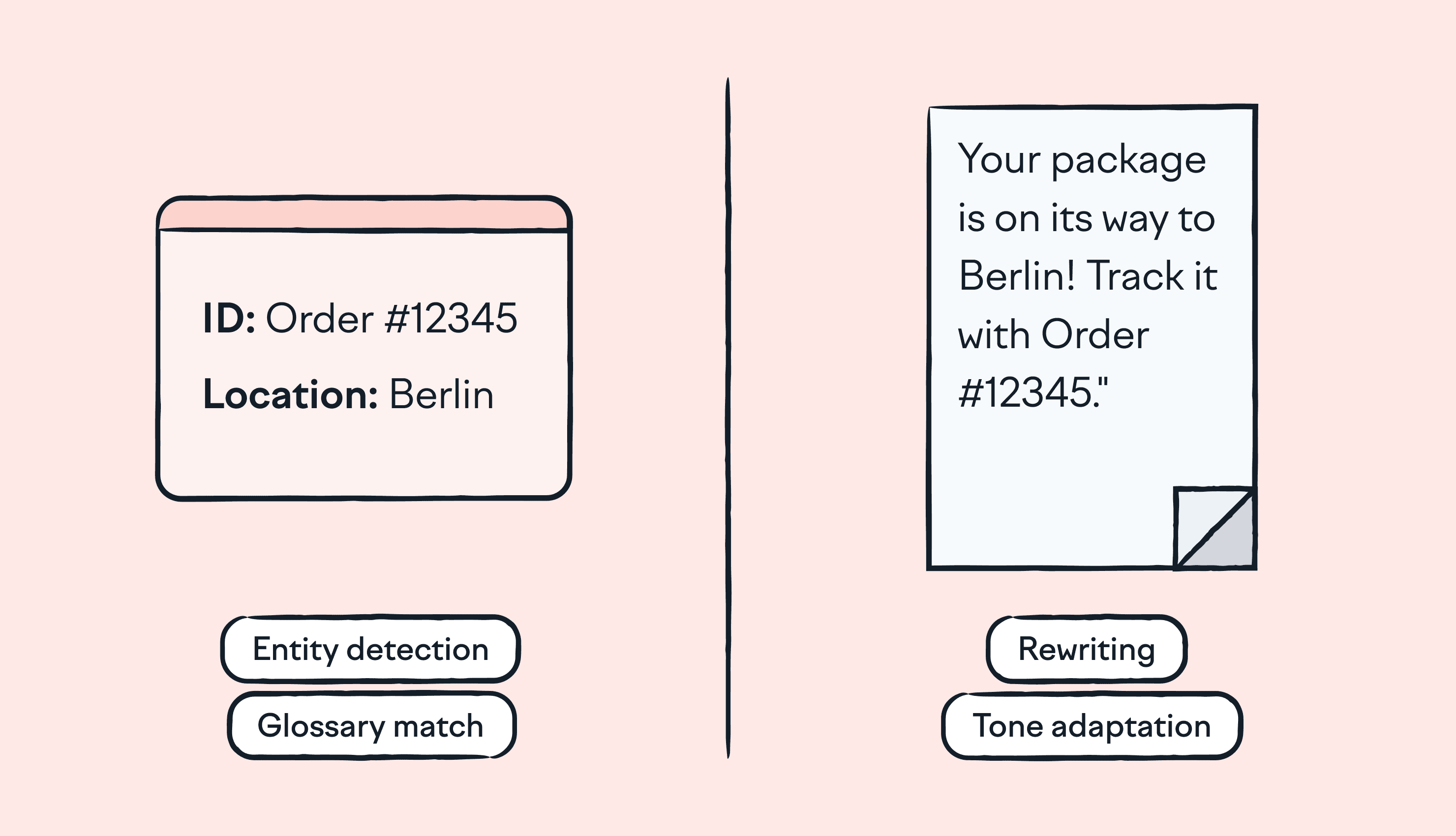
Natural language processing. Large language models. Two terms you’ve probably seen tossed around in AI conversations. Sometimes they’re even used like they mean the same thing. But they don’t. For example, using an LLM for translation showcases capabilities that go beyond traditional NLP approaches. Long story short, NLP is the broader field
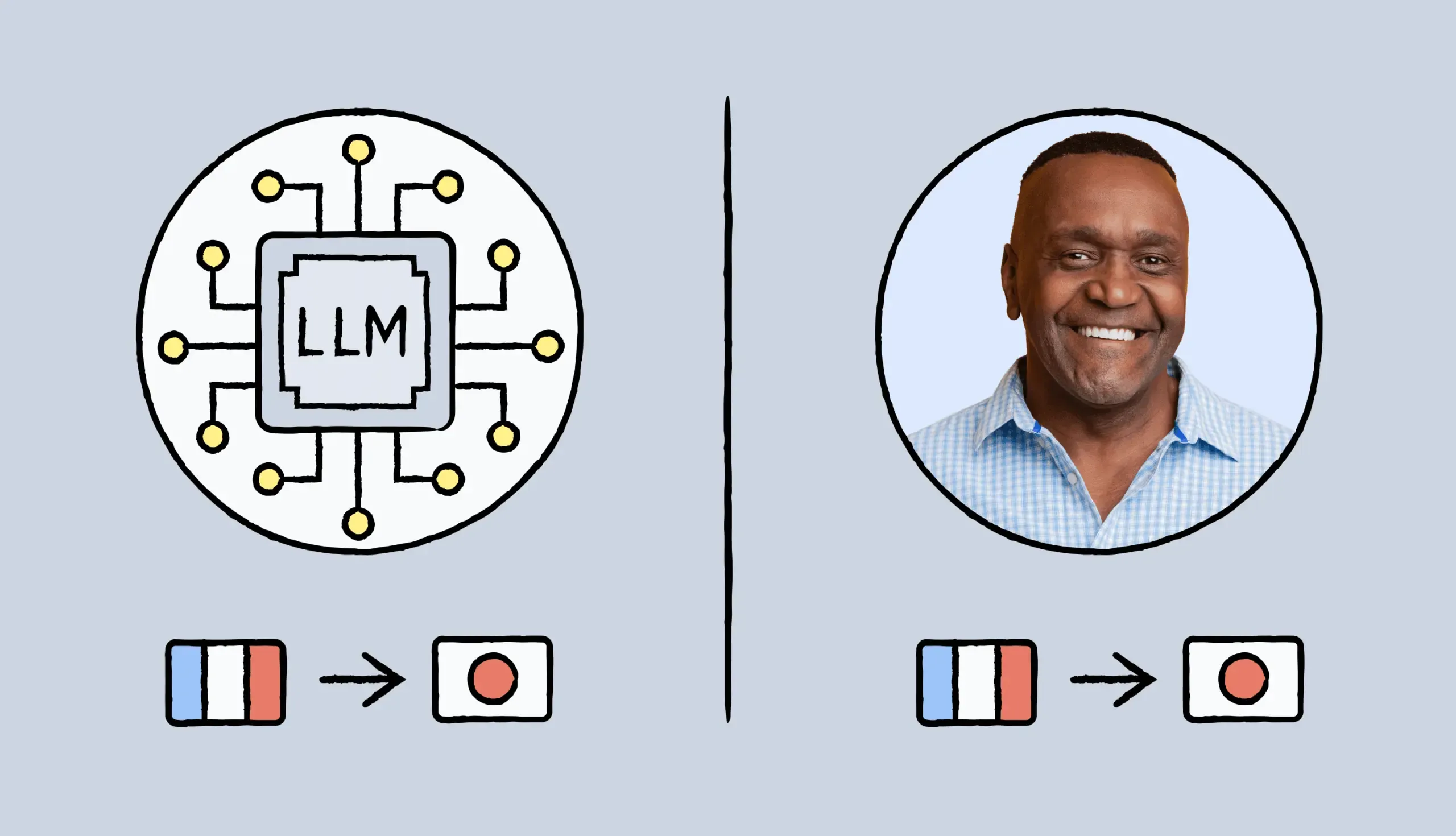
How accurate are LLMs when translating text? It’s a fair question, one that’s becoming increasingly important as AI translation tools keep getting better and companies look for new ways to optimize costs. But you’re probably here because you’re wondering if LLMs are accurate enough to use without a human in the loop.In this article, you’ll learn how LLMs translate text, how their approach differs from traditional machine translation, and
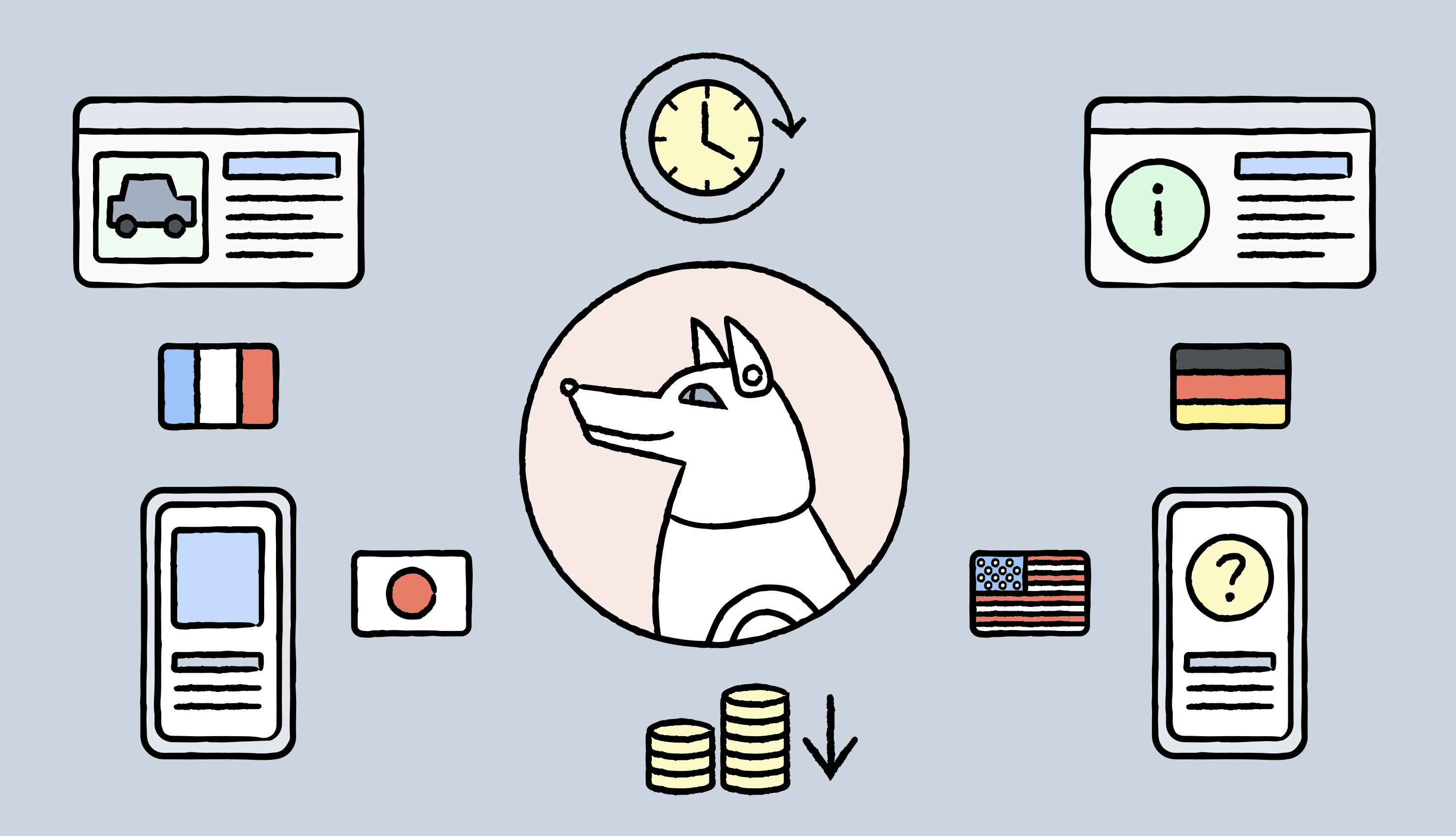
Translation doesn’t have to be slow, expensive, or manual anymore. Thanks to AI, you can translate content into multiple languages incredibly fast. But if AI translation is so great, why do we still have human translators? What’s it all about? If you’re wondering what AI translation actually is, you came to the right place. Keep reading to discover answers to ten key questions, and learn what AI translation is all about.
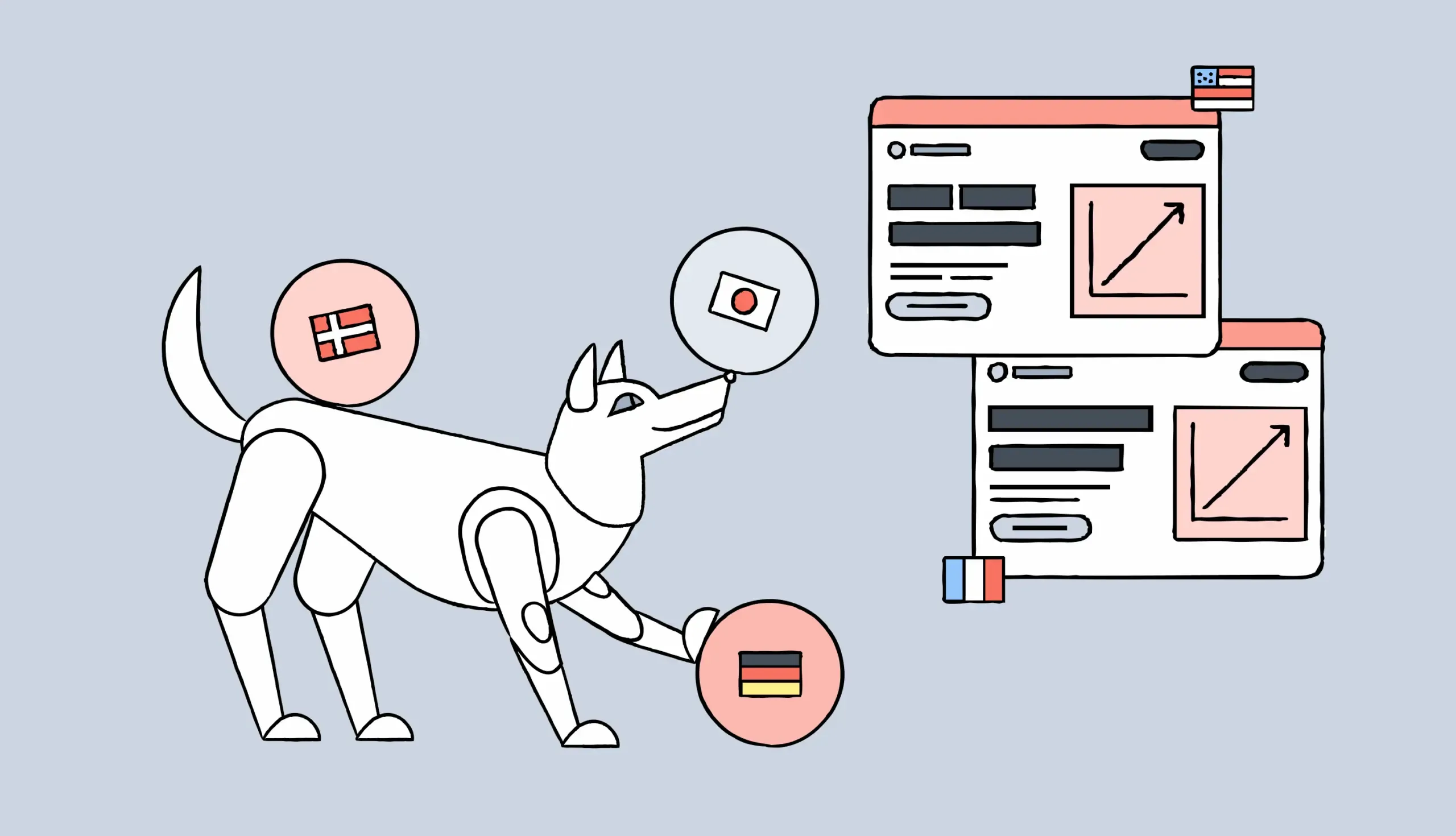
Want to turn a piece of software written in Java into Python without rewriting it from scratch? This is now possible thanks to LLM for translation. What a time to be alive. Large language models (LLMs) like GPT or CodeT5 can now understand and translate programming languages. This helps developers migrate projects, modernize old codebases, and adopt ne
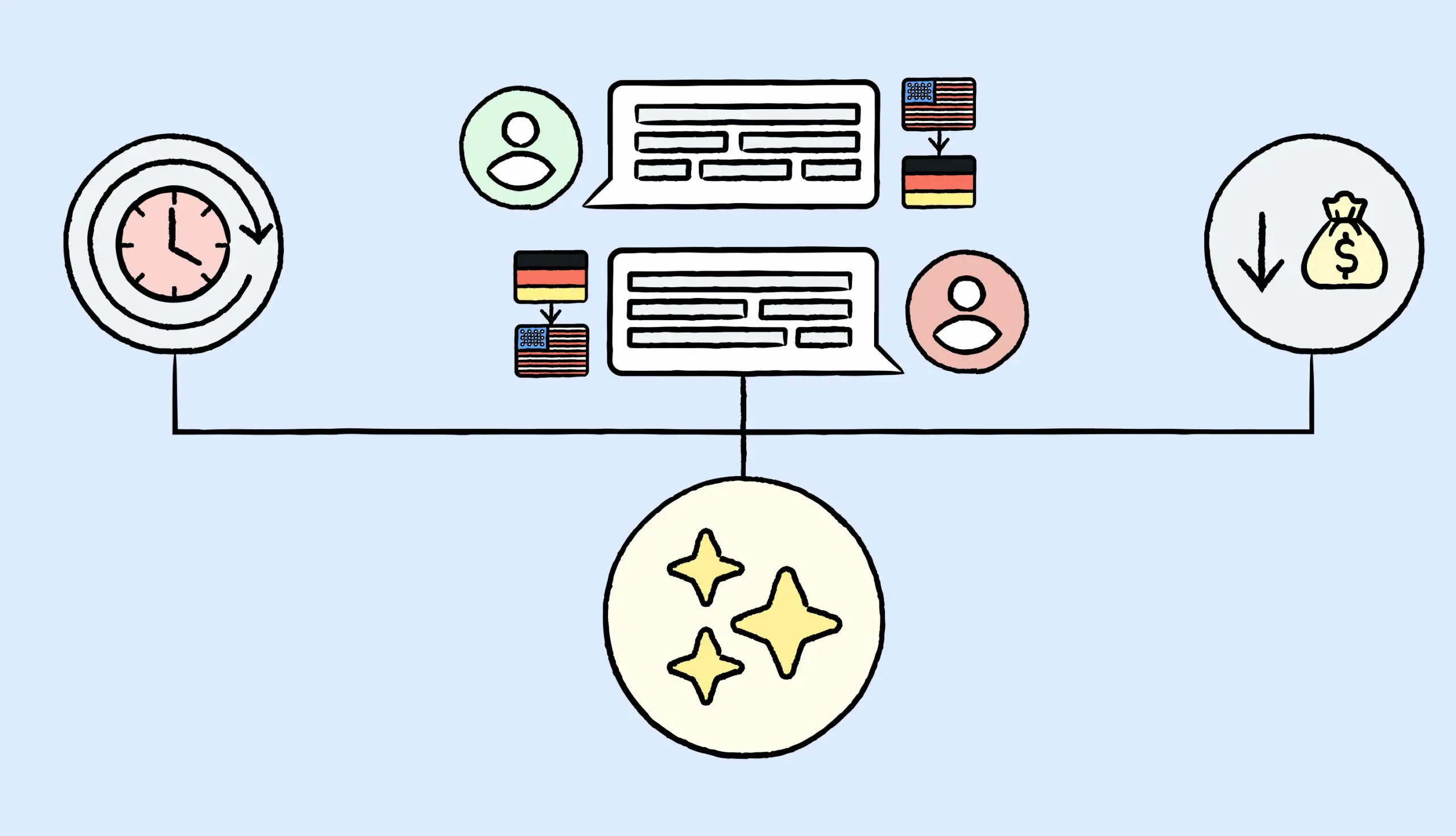
AI translation is showing up in more places than you might think. But what is AI translation? It powers real-time support chat, helps companies localize websites in hours instead of weeks, and makes it easier to manage all kinds of content in multiple languages. A retail brand launching in five new markets? They’re likely using AI to translate thousands of product descriptions overnight. A SaaS company onboarding global cu
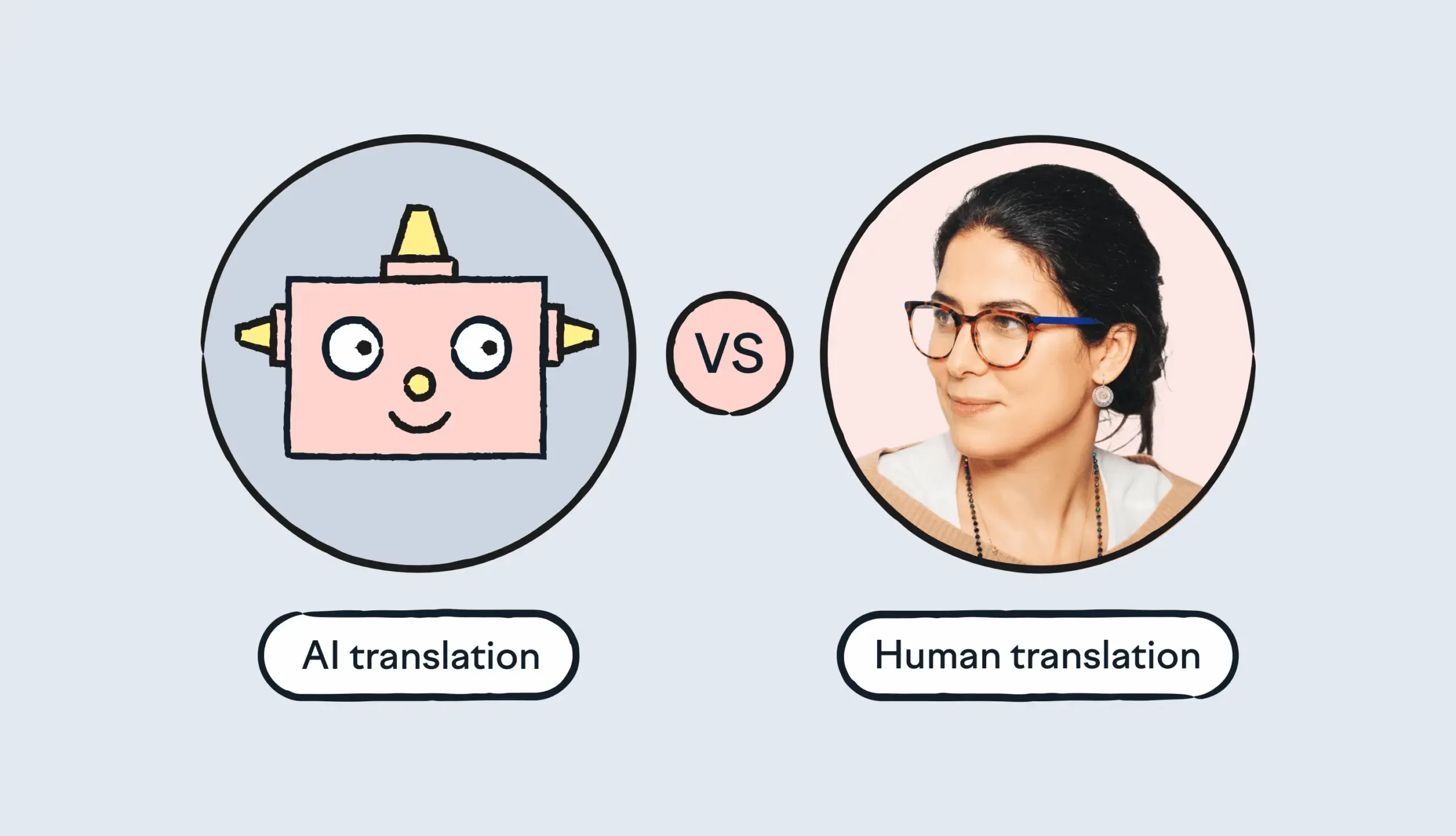
You’re thinking about how to translate content quickly, at scale, and within budget, and naturally—AI comes to mind. But can AI really match the quality and nuance a human translator brings? And if you choose to use it, when is it worth bringing a human into the mix? That’s where the real decision lies. Let’s take a look at the AI translation vs. human translation debate, and see which one makes the most sense for your content, timeline, and goals.
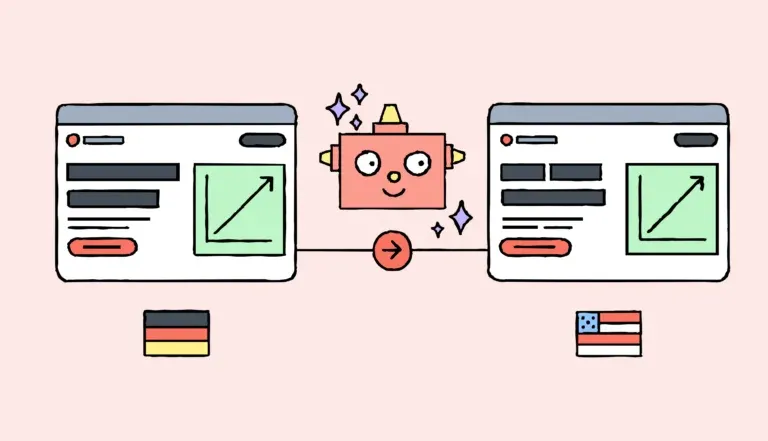
Ever wondered what actually happens behind the scenes when you hit “Translate” in an app or website? AI translation tools seem almost magical. What is AI translation? It's the use of artificial intelligence to turn content from a source text into another language in seconds. But behind that quick result is a lot of clever technology doing the heavy lifting.








Behind the scenes of localization with one of Europe’s leading digital health providers
Read more Case studies



Localization workflow for your web and mobile apps, games and digital content.
©2017-2026
All Rights Reserved.

