
7 AI tools your localization team needs to master in the GenAI era
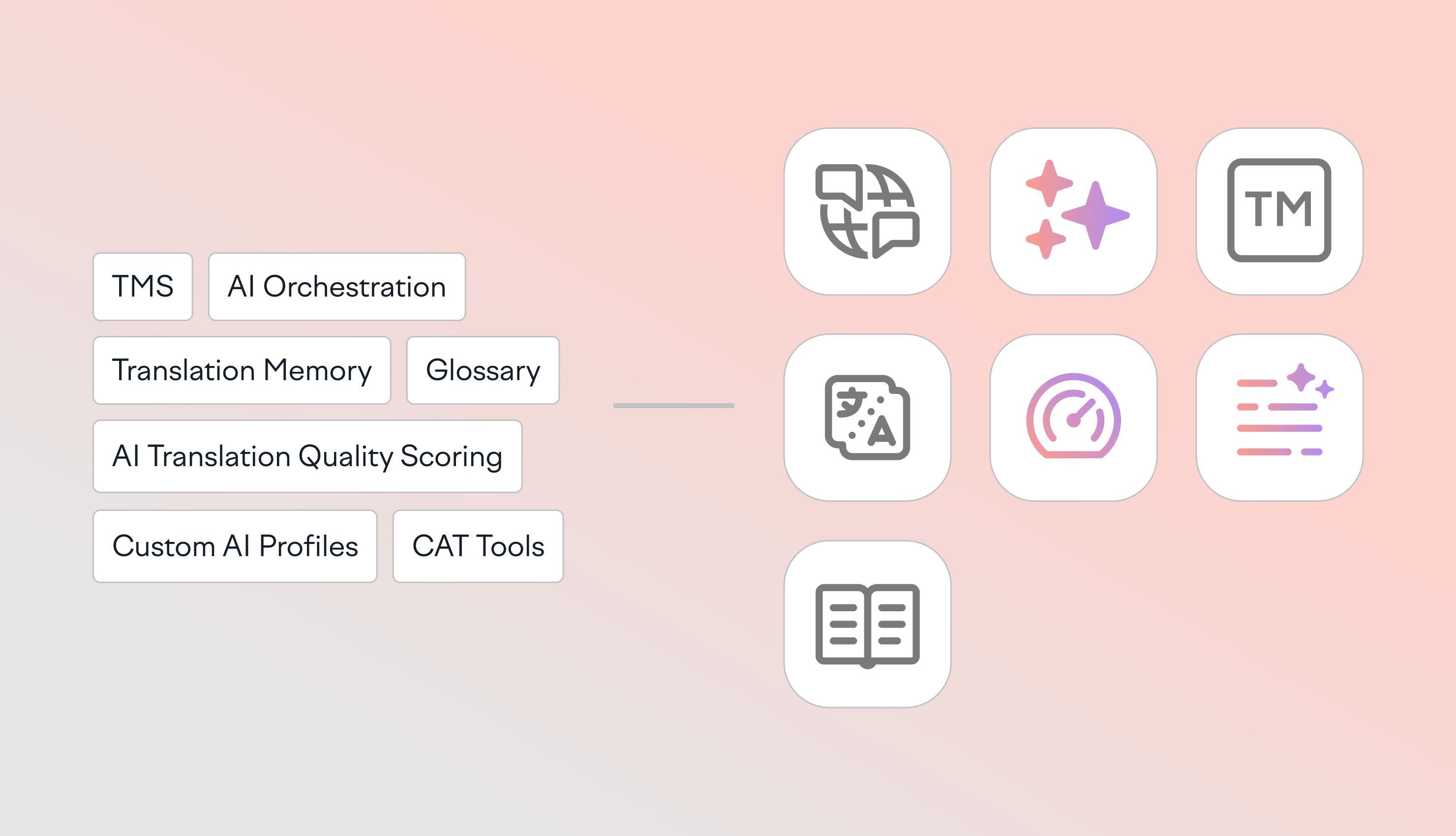
GenAI isn’t just changing how translations are produced. It’s reshaping the entire localization workflow. Most teams didn’t build their workflows for this shift. They’re still relying on a mix of spreadsheets, standalone MT engines, and manual file handoffs. It’s familiar, and for a while, it worked. But it was never designed for the scale teams are dealing with now.
Updated on May 5, 2026·Mia Comic Localization audit trail: how to track, monitor, and govern translation changes
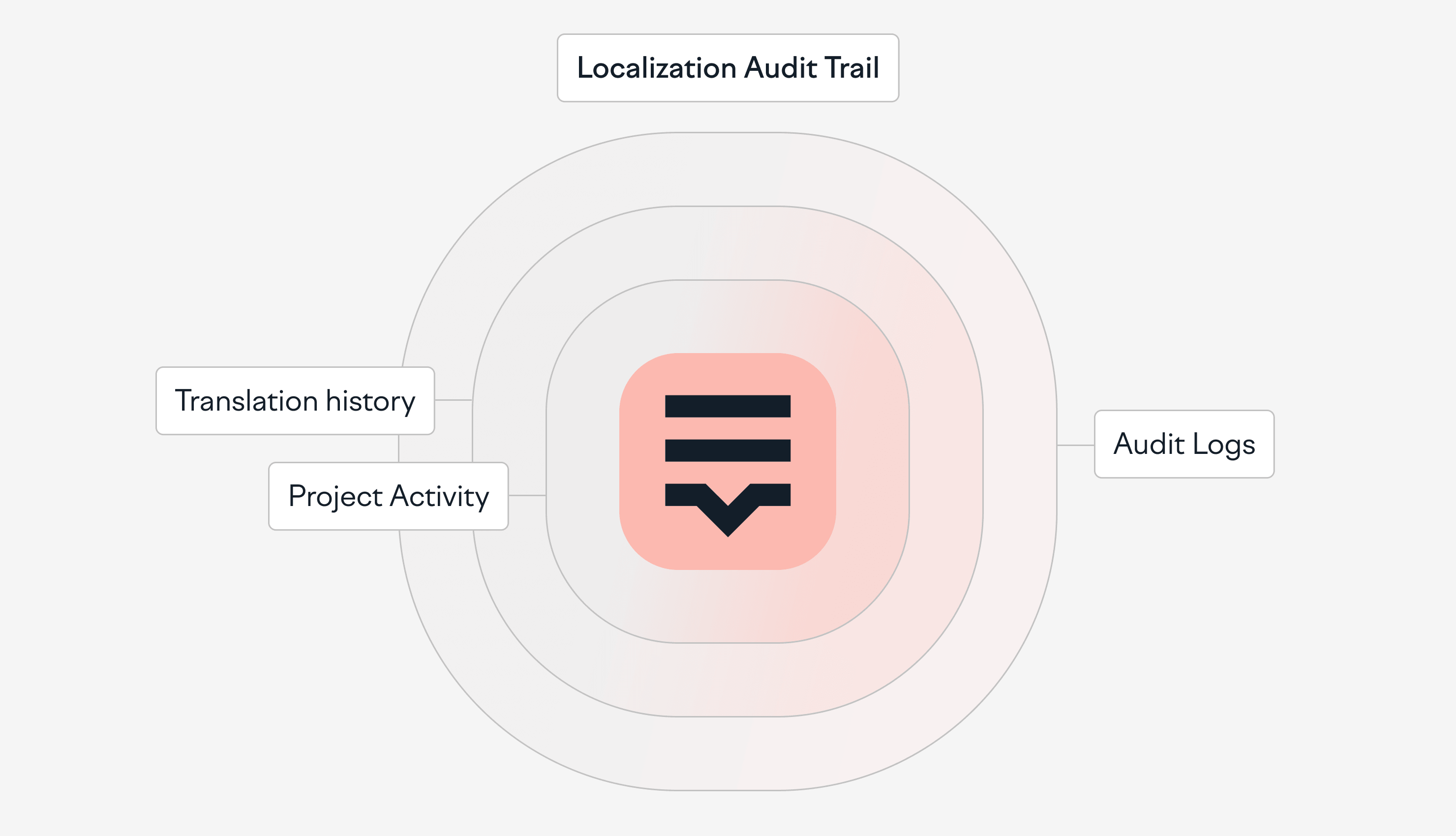
A translation changed, but no one knows who did it or when. The release is already live. What do you do? When multiple contributors work on the same project, there’s a good chance that strings get edited, approved, overwritten, or renamed. Without a clear localization audit trail, small changes turn into production issues, and tracking them down takes time you don’t have. This lack of visibility slows you down significantly. It makes troubleshooting harder, weakens accountability,
Updated on April 27, 2026·Mia Comic The 5 best tools for AI translation post-editing (MTPE)
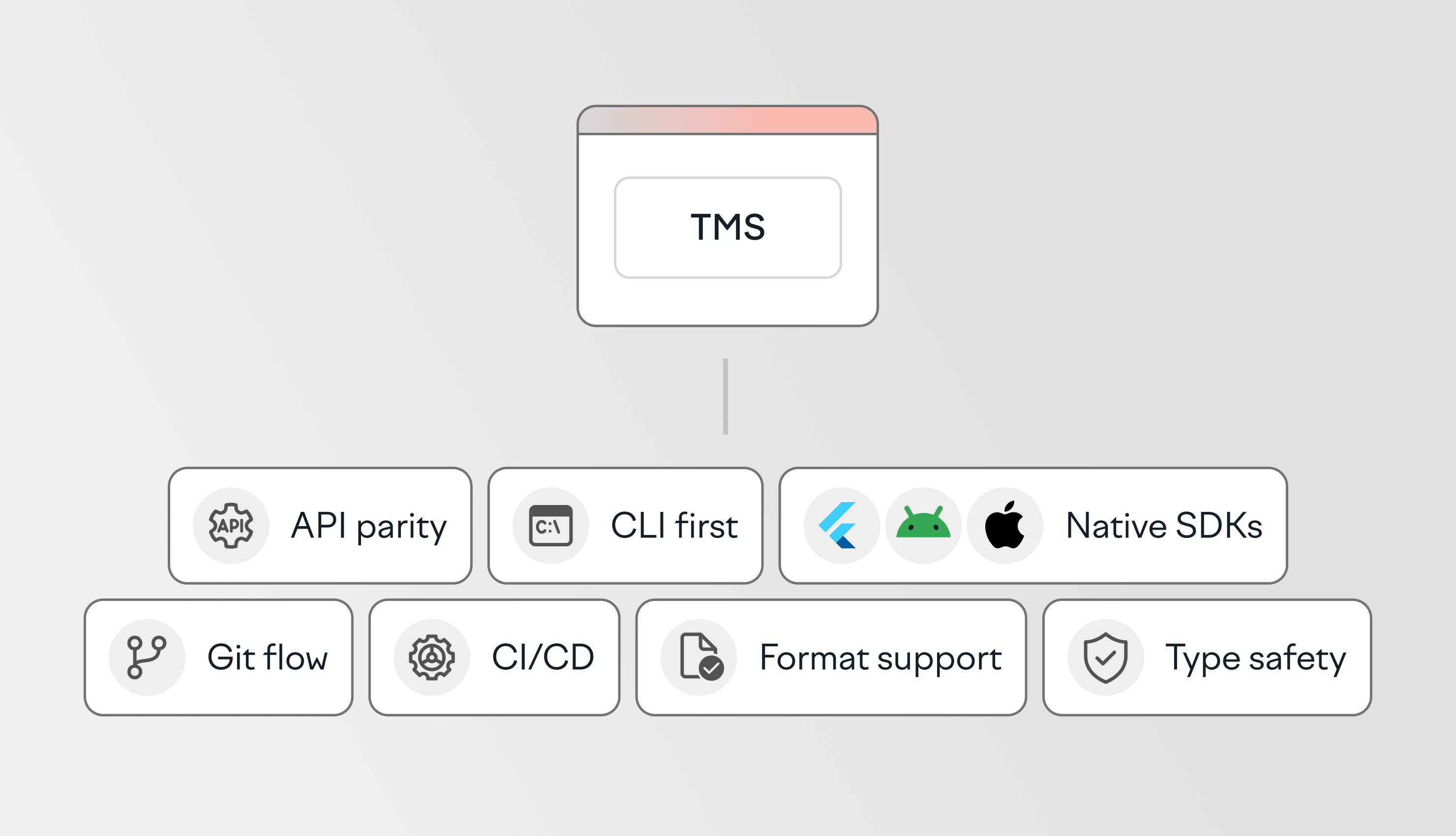
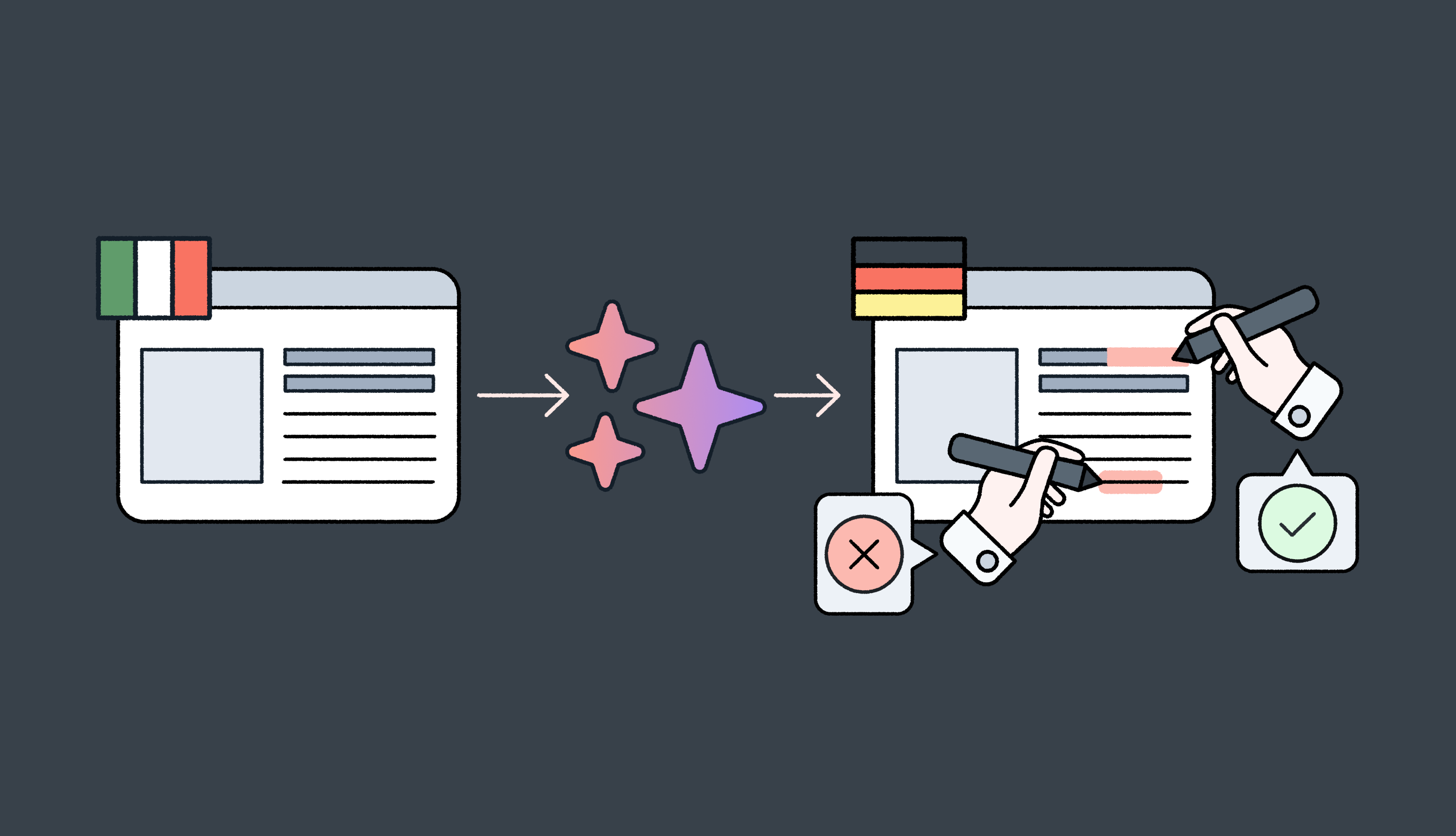
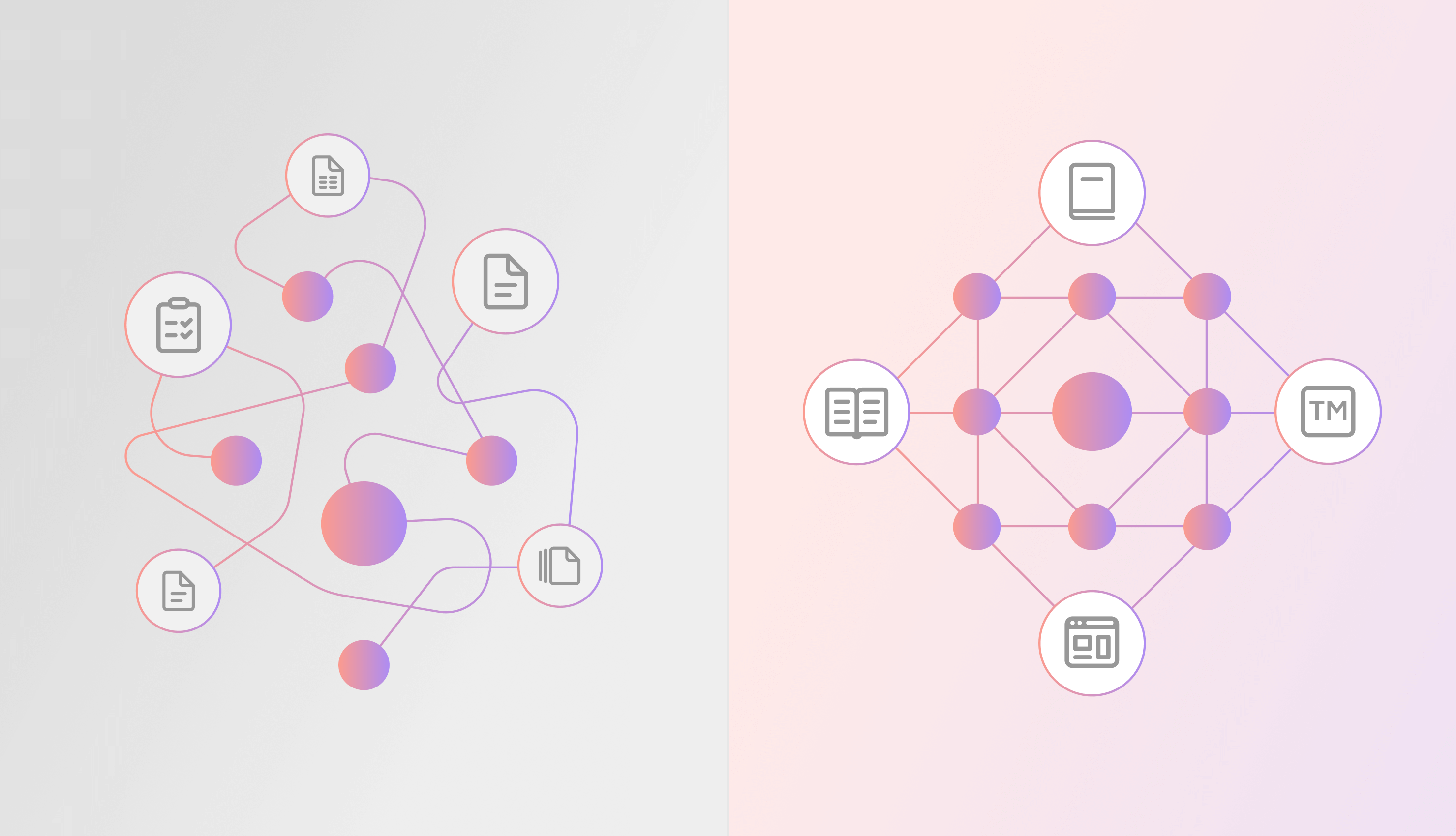
AI translation post-editing tools promise 40-60% cost savings. In practice, you only get those savings when AI output is controlled. This means your terminology is enforced, risky segments are flagged before they go live, and linguists only touch what truly needs human attention. That’s why the best MTPE tools today aren’t standalone CAT tools or MT engines. They’re actually translation management systems (TMS) that orchestrate AI, terminology, and quality assurance in one place.
Updated on March 30, 2026·Mia Comic AI vs human translation cost: How to cut localization costs by up to 97%
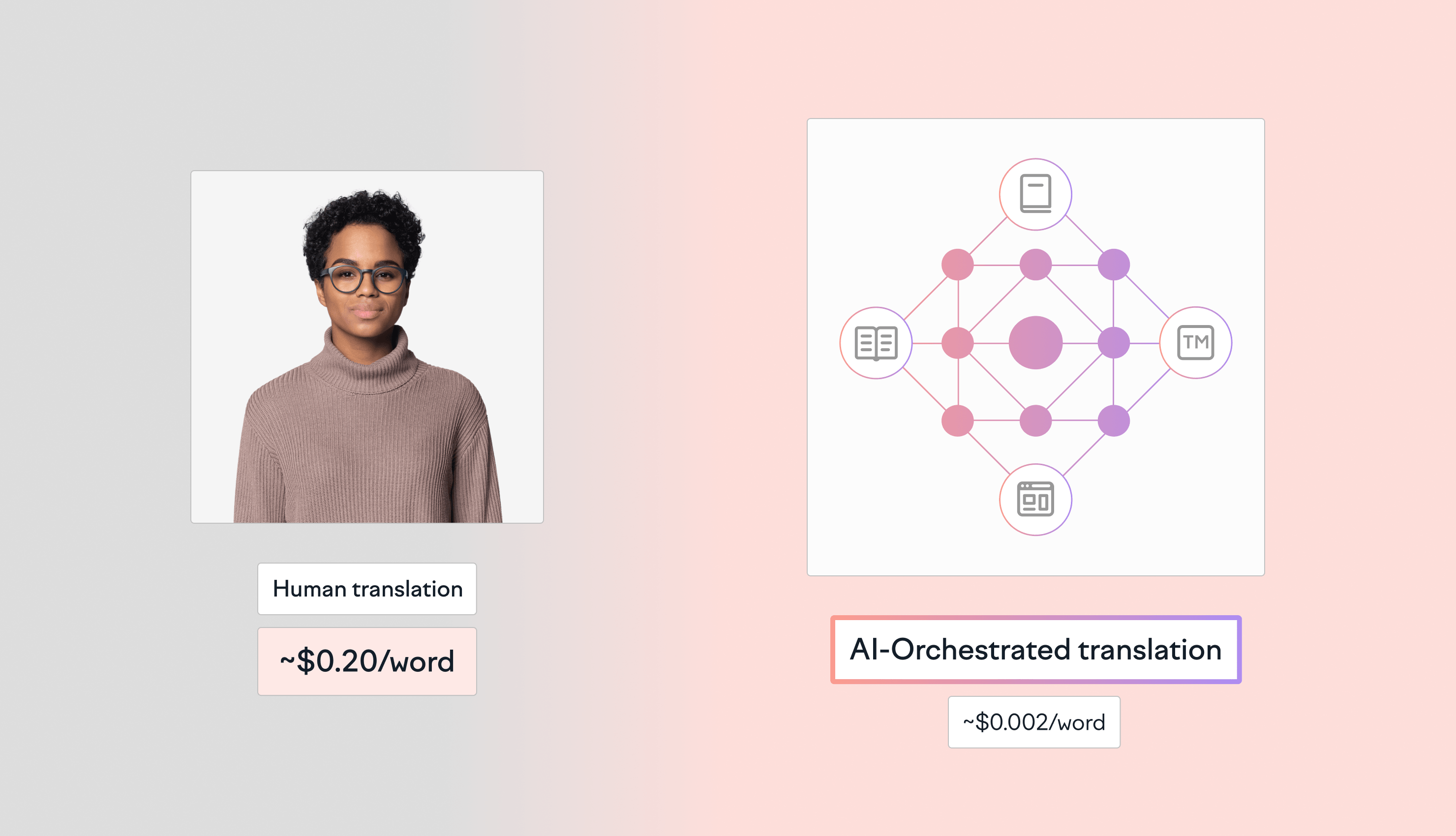
As of 2026, the Total Cost of Ownership (TCO) for enterprise localization has shifted from a per-word human model (~$0.20/word) to an orchestrated AI model (~$0.002/word). This 100x efficiency is driven by AI Orchestration, which automates context retrieval (RAG) and eliminates manual project management overhead. This shift comes from AI orchestration. These systems combine large language models with retrieval-augmented context, terminology databases, translation memory, and automated q
Updated on March 26, 2026·Mia Comic Headless CMS localization tools: Build a hands-off translation workflow
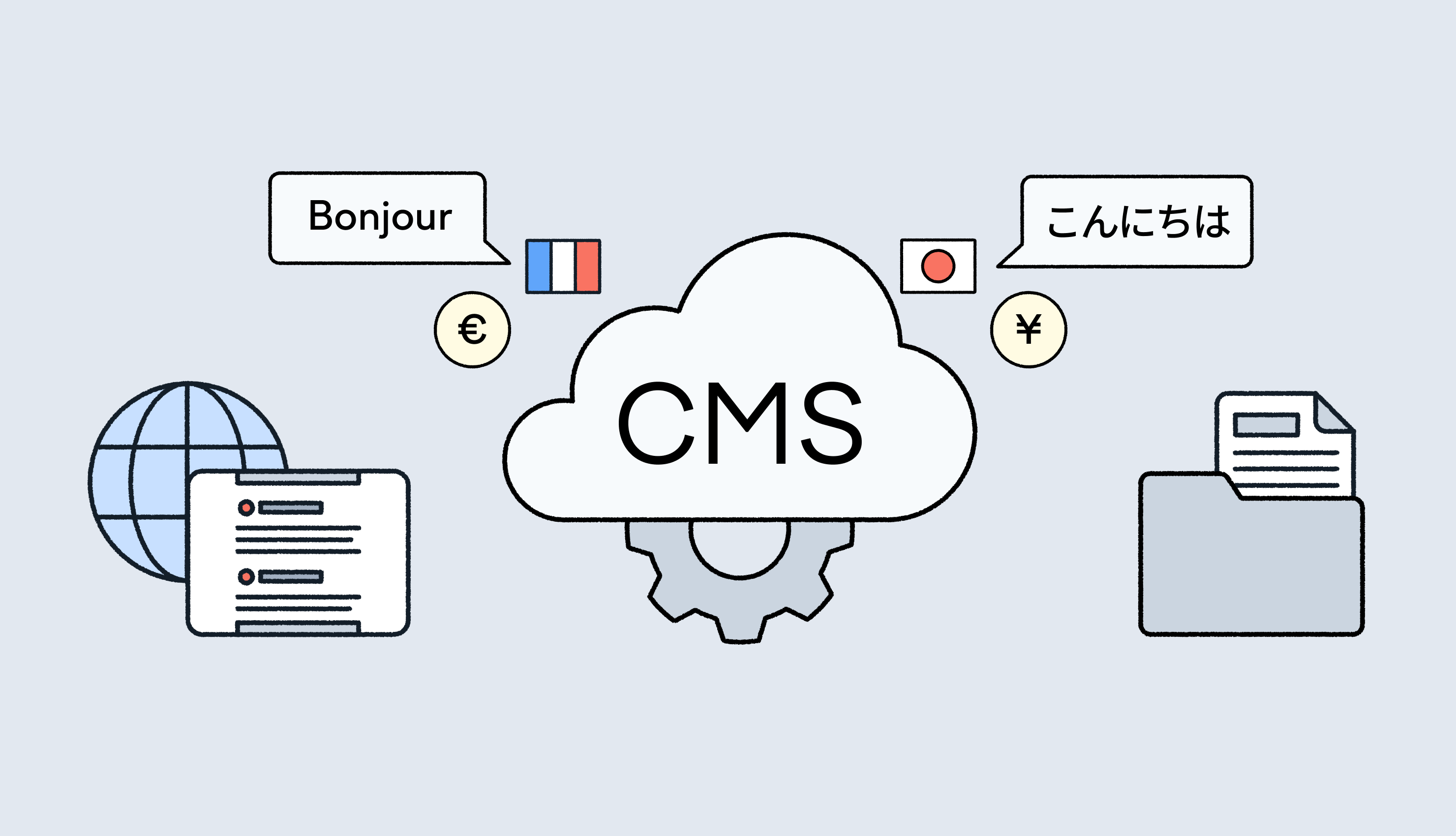
Headless CMS platforms are built for speed. You publish once, every frontend updates. But then localization shows up, and the “fast” stack suddenly depends on a rather slow routine: export strings, email a file, chase approvals, import, fix broken formatting, repeat. If you’re a developer or content manager, you’ve felt the cost. Releases slip and translators work from stale content without even knowing it. Engineers get pulled into one-off fixes. Users end up seeing mixed terminology a
Updated on March 27, 2026·Mia Comic The fine-tuning trap in AI translation
Fine-tuning sounds like the clean way to improve AI translation quality. You train the model on your content with the expectation it’ll learn your style. In practice, generic fine-tuning is where enterprise translation programs get stuck. The issue is, the model absorbs everything in the training mix. This includes old releases, mixed brands, and inconsistent phrasing, which means you end up with contextual contamination. That’s when the model starts making confident ch
Updated on February 11, 2026·Mia Comic Term base best practices: How to build a living terminology system
Most term bases fail because they live somewhere where nobody works. A spreadsheet gets created, a few people bookmark it, and then the real work happens in the editor, in Slack, in Figma, and in whatever AI tool is generating the next draft. That gap is expensive. Terminology drifts, reviewers rewrite the same phrases, and “small” naming mistakes turn into brand inconsistency in translation, SEO issues, and support tickets that shouldn’t exist. This guide covers term base best pr
Updated on February 10, 2026·Mia Comic ChatGPT vs. a localization platform: Which translation solution is right for your business?
Translation used to be a bottleneck for businesses looking to grow internationally. Thanks to AI, now it can happen in seconds, which changes how teams make decisions about localization. ChatGPT can produce quick translations for many everyday needs. But when quality requirements rise or the workload grows, teams start running into familiar problems: inconsistent terminology, formatting and placeholder issues, missing context, and a lack of review workflows. That’
Updated on February 3, 2026·Mia Comic