What is the best LLM for translation? A comparison of top AI translation models
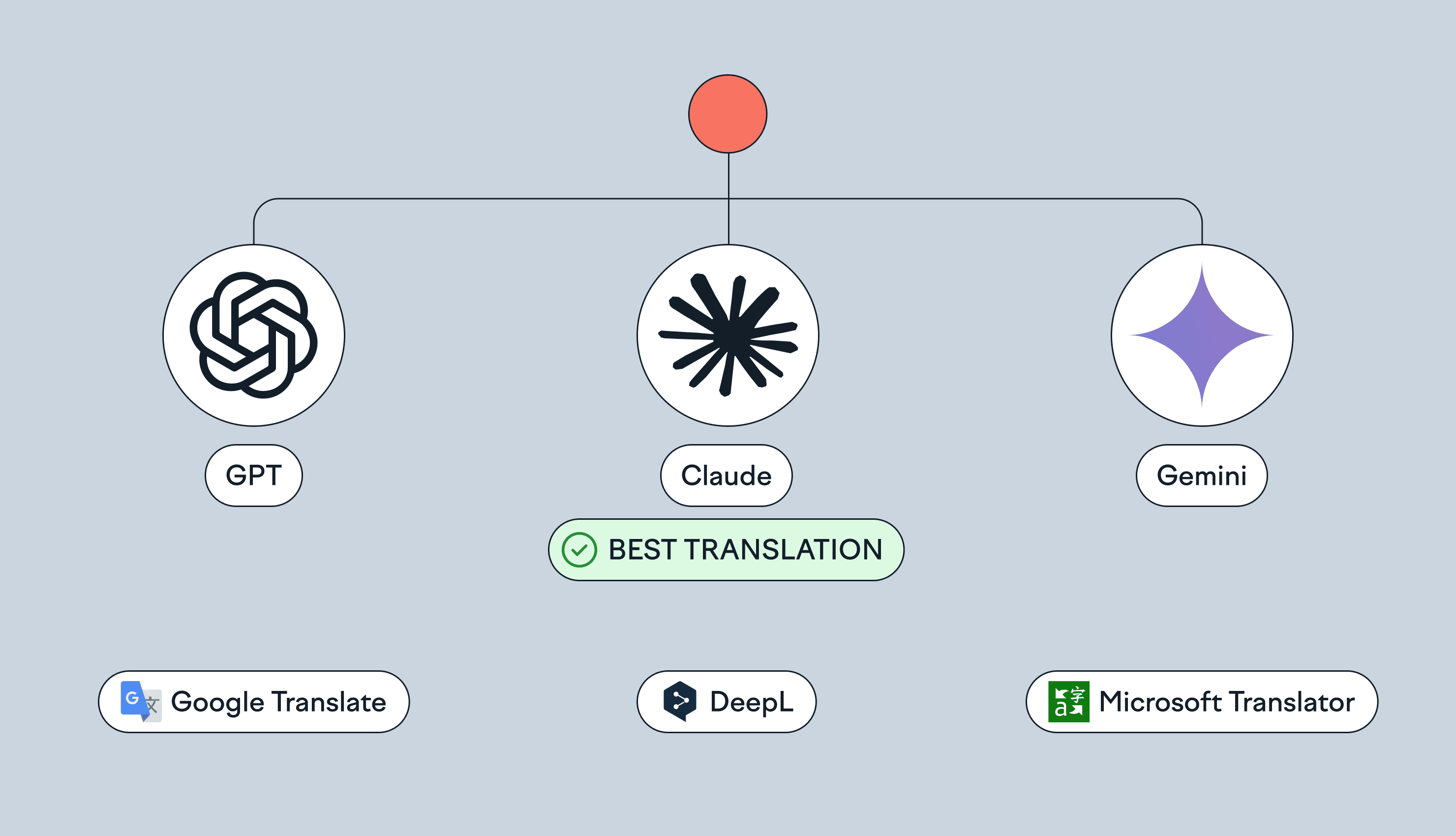
LLMs are now outperforming traditional machine translation tools with remarkable consistency, so now begs the question, which is the best LLM for translation? 🔖 Bookmark this article Our product team…
Updated on March 16, 2026·Rachel Wolff Workflows that manage themselves, improved AI translation, and tricks to speed up developer localization tasks
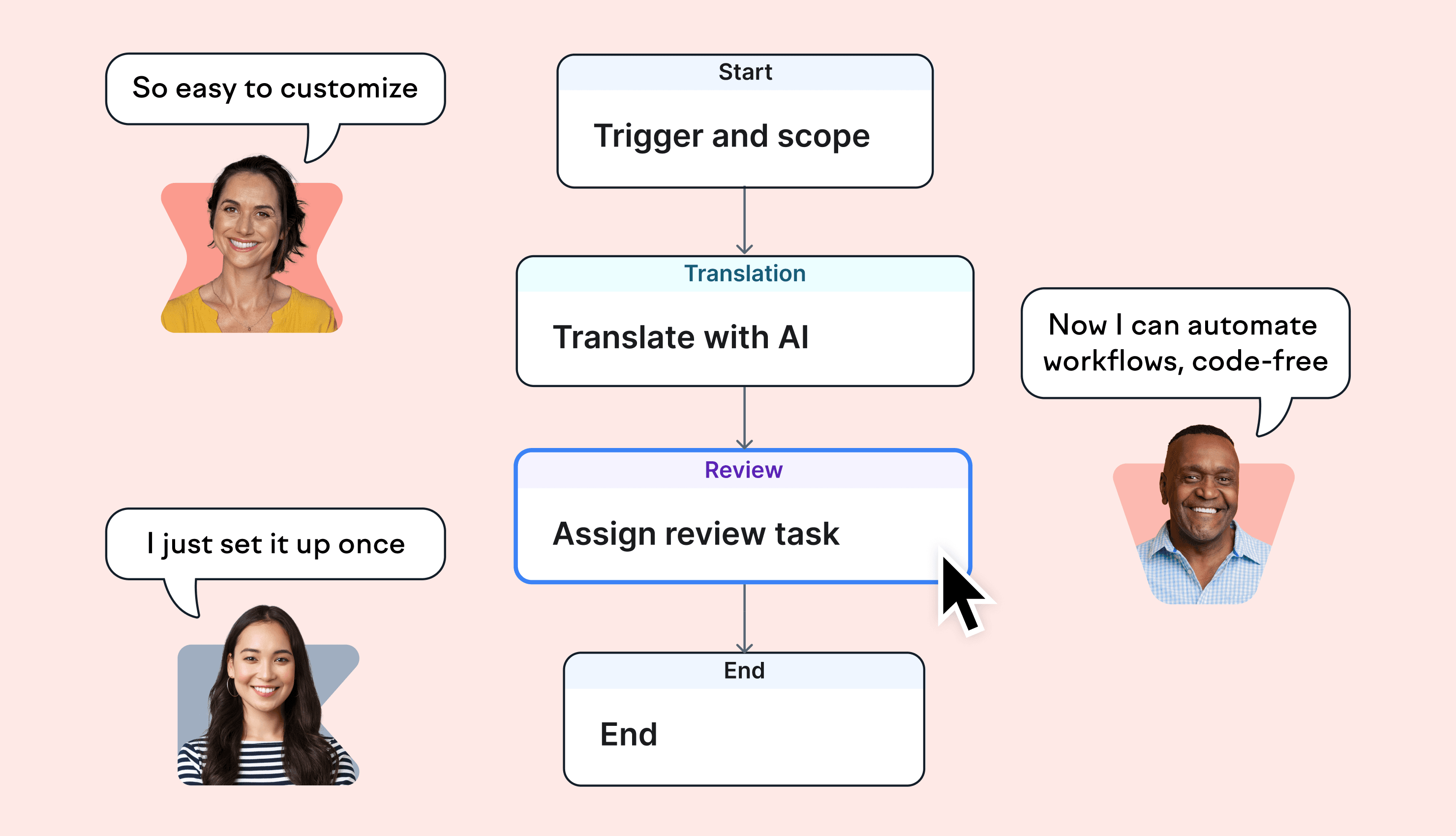
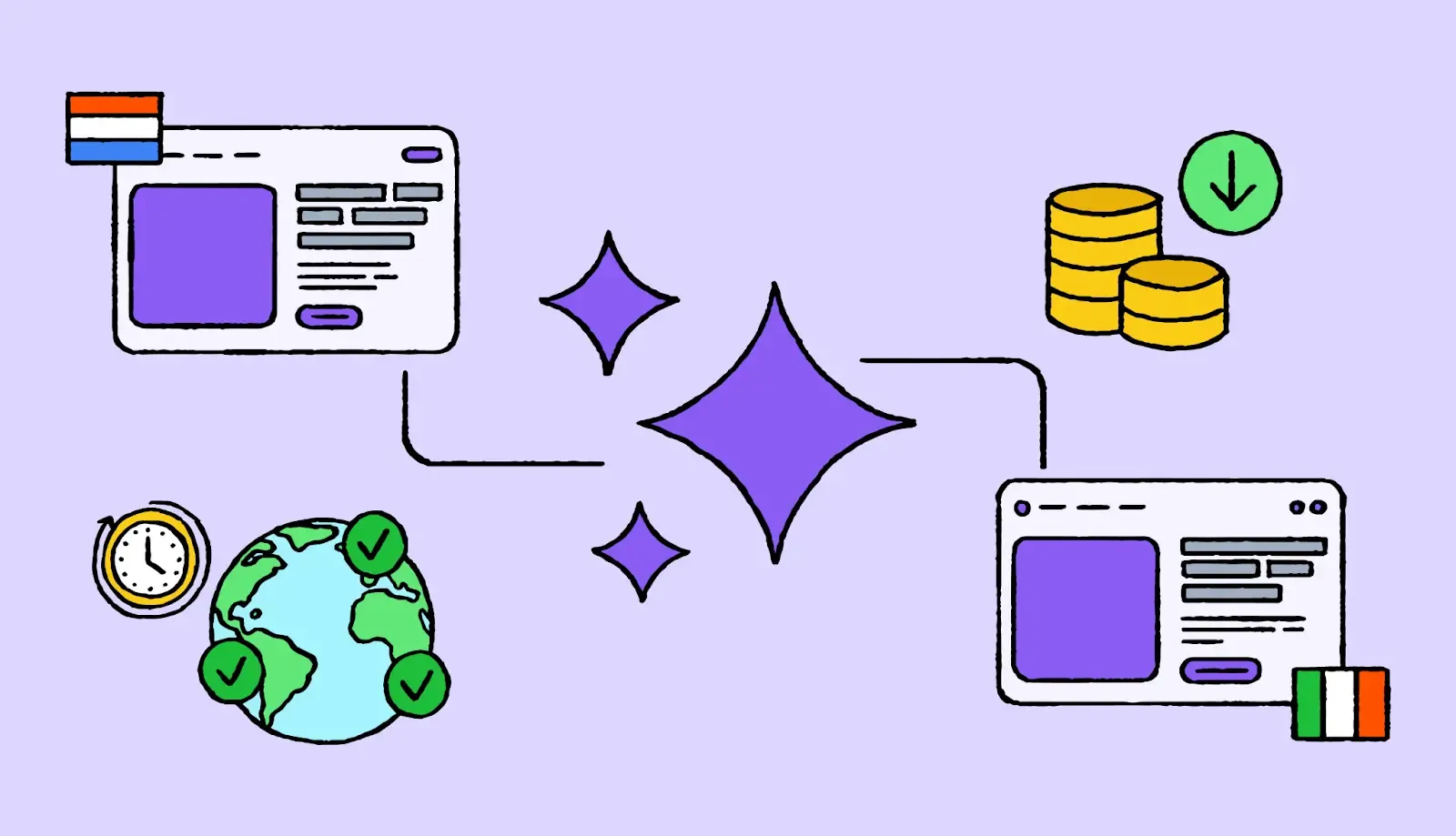
We have lots of updates for you (and it’s only February), so let’s cut to the chase. First up, localization workflows that manage themselves Let your localization projects flow solo with Workflows We're excited to announce the release of Lokalise Workflows—no-code workflow templates with multiple steps that you set up once, so tasks run automatically and without delay. Lokalise Workflows changes how you manage projects—you barely need to manage them! Inst
Updated on March 14, 2025·Rachel Wolff What is Machine Translation? Definition, Process & Technology
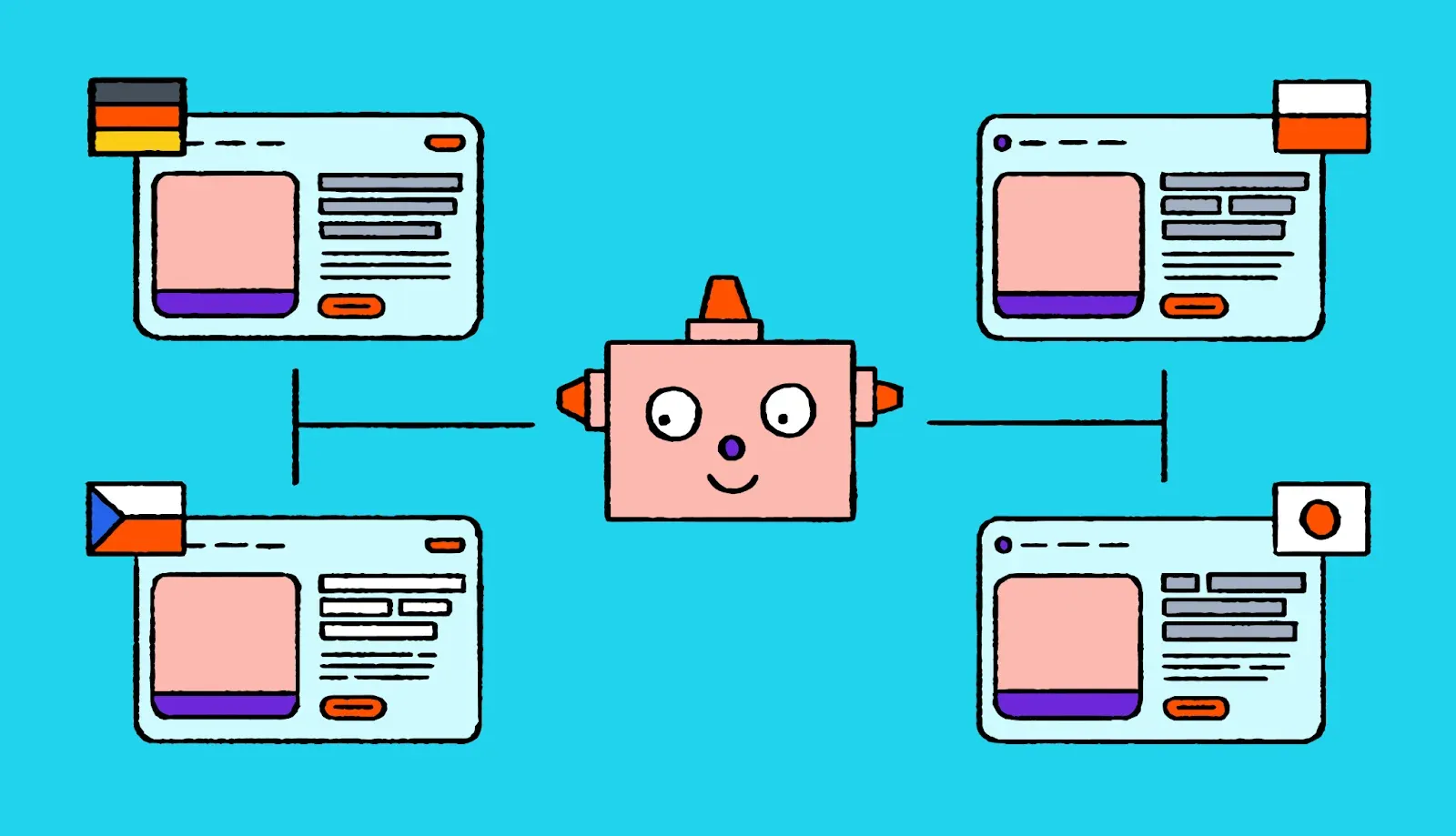
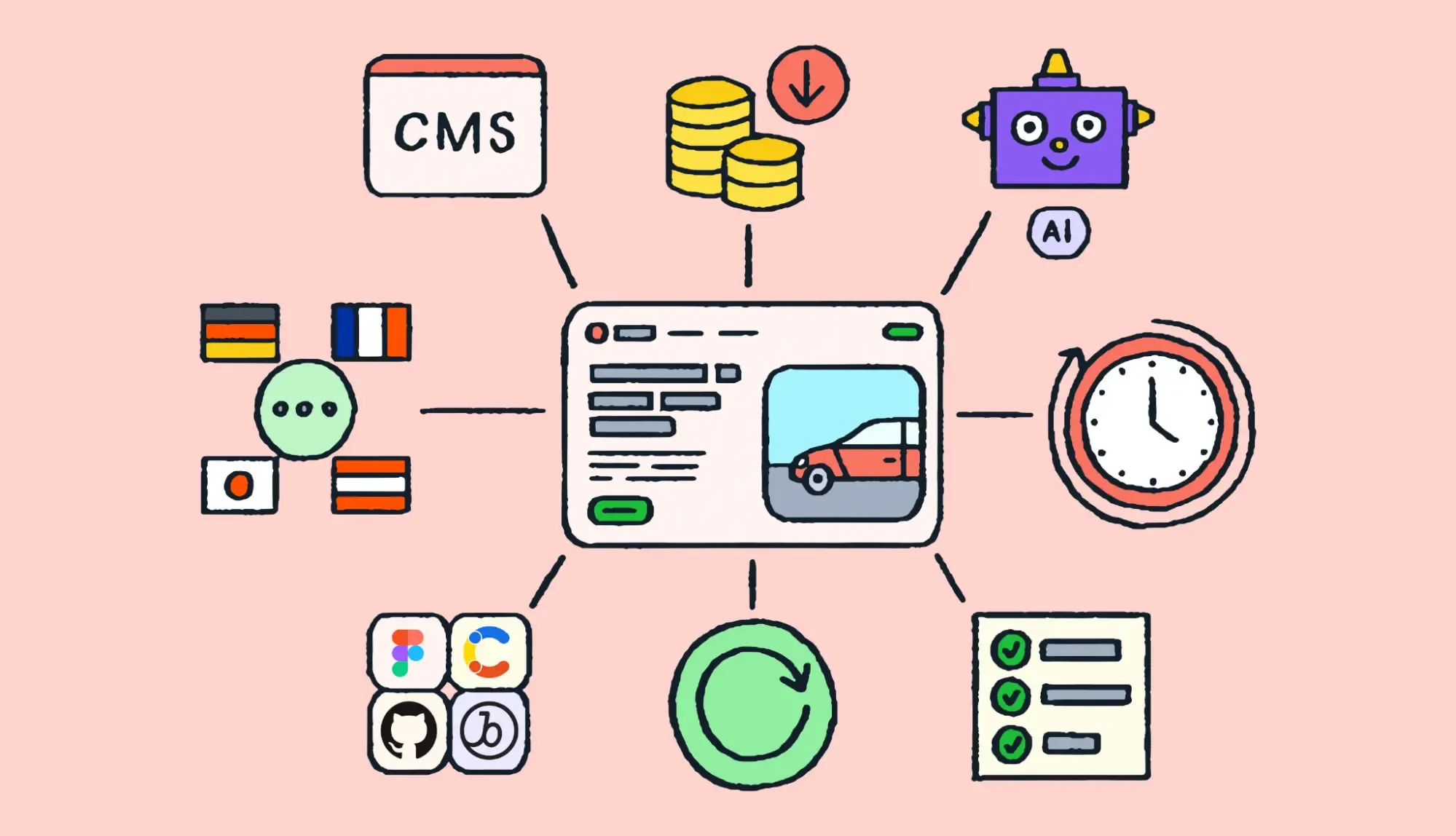
Machine translation has come a long way, from scholars translating Greek texts over months to your phone translating virtually anything in seconds. The promise of machine translation technology is compelling. Reach your audience anywhere in the world in their native language without spending a fortune on human translators. It’s fast, adaptable, and highly scalable. In this article, we break down what machine translation really is, how it works, and where it shin
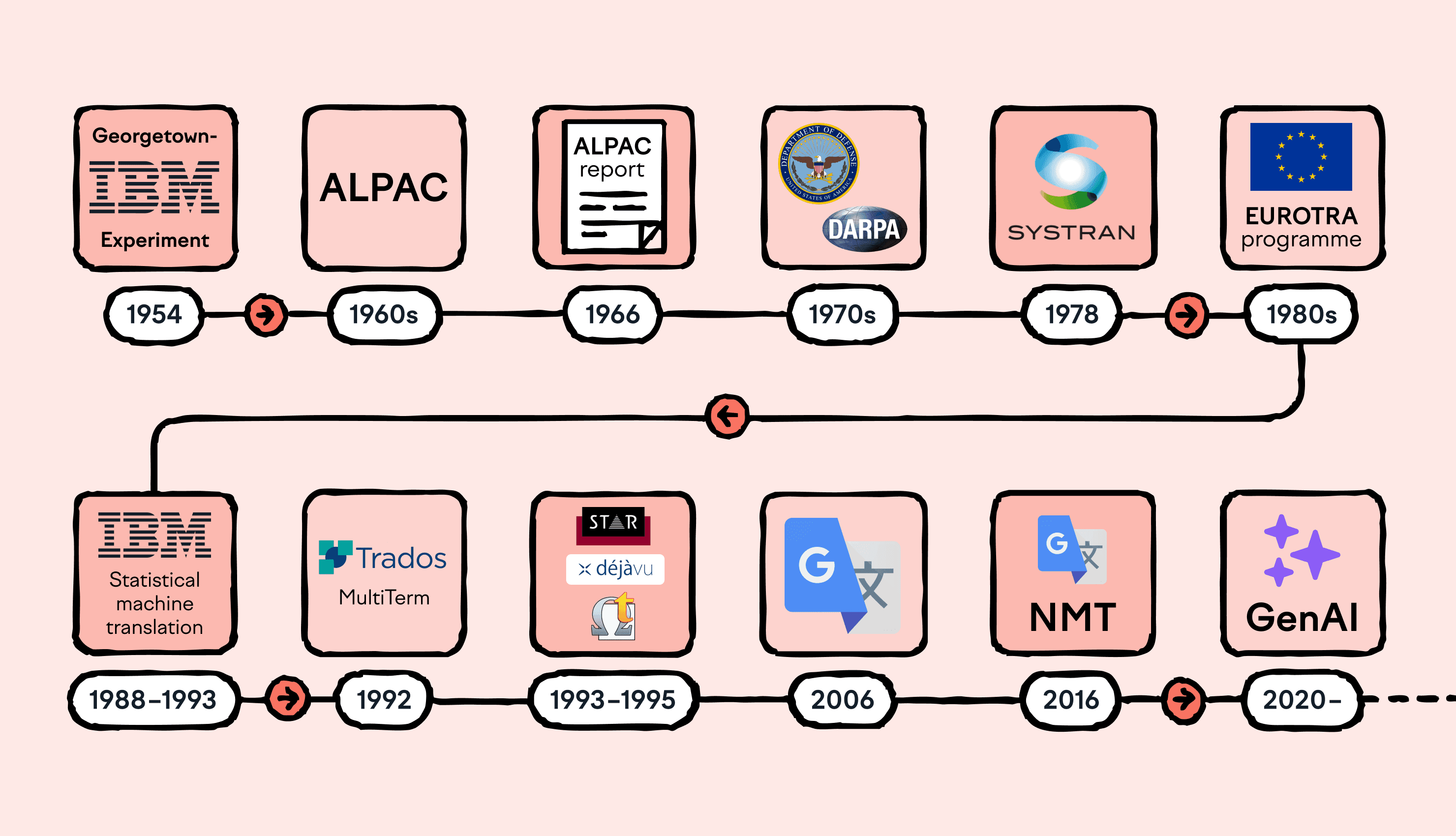
Updated on April 21, 2025·Rachel Wolff A brief history of translation technology and where we’re heading — with all eyes on AI translation quality
DeepL and Google Translate are probably the first tools that spring to mind when you think of translation technology, but the landscape is a lot more diverse than machine translation tools.
Updated on February 28, 2025·Rachel Wolff AI localization: Definition, benefits, and best practices
We’ve all used machine translation tools, like Google Translate and DeepL, and know that they don’t always hit the mark. The translations can be amusing if you’re translating for yourself, but they could make for a poor customer experience in a business context. This is where understanding what is AI translation becomes important—it offers more advanced, context-aware solutions that go beyond basic word-for-
Updated on October 28, 2024·Rachel Wolff Automatic translation: how to make the most of it
Have you ever wondered how apps like Google Translate work so fast? That’s the power of automatic translations. These translation tools are powered by technology that turns text from one language into another in seconds. The main benefit of automatic translations reflects in speed and convenience. Whether you’re traveling, chatting with someone who speaks another language, or looking to quickly translate your website, it’s instant and easy. Plus, the tools are either f
Updated on January 26, 2025·Rachel Wolff The best AI translation tools in 2026
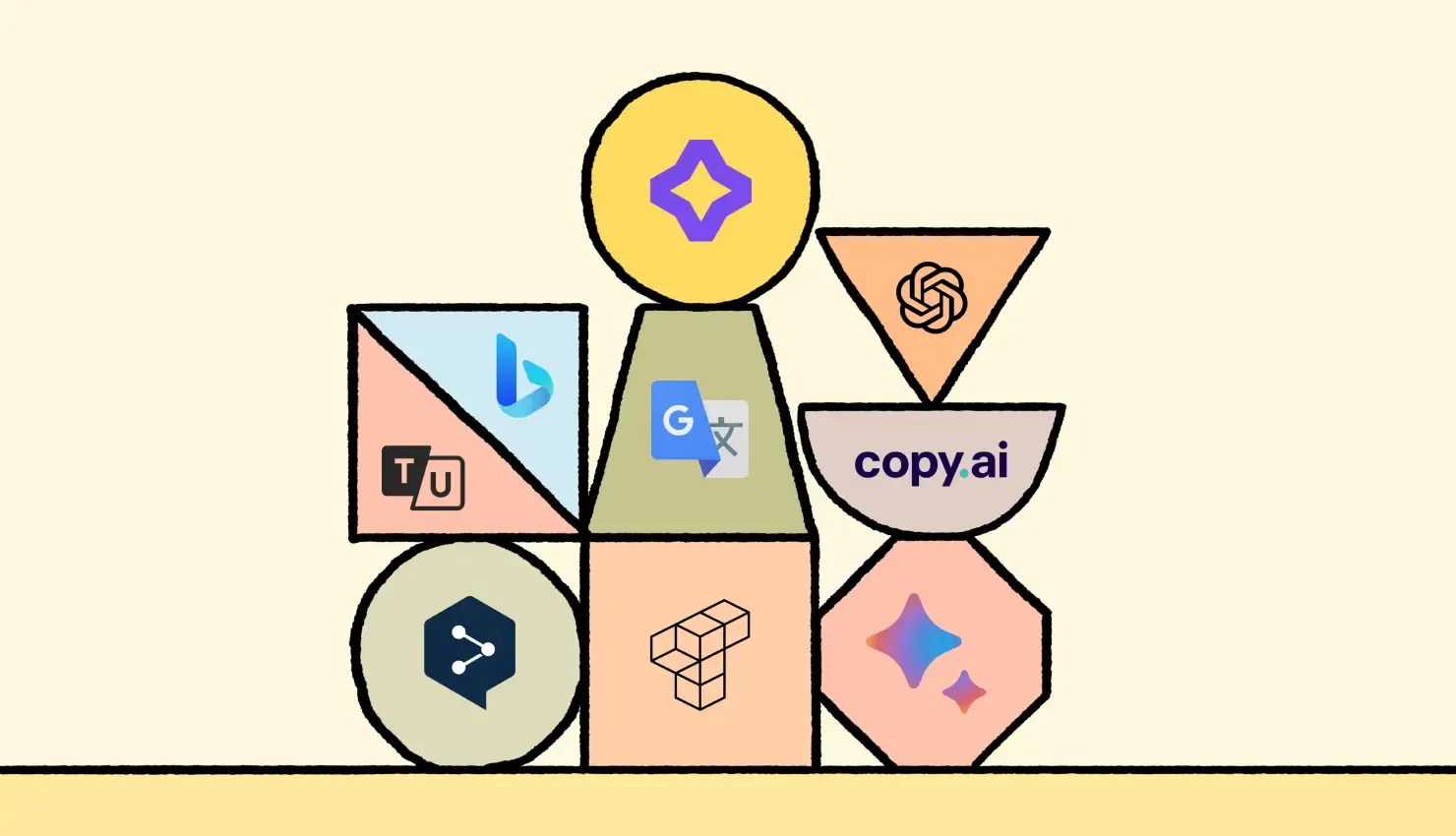
Can AI translation tools really replace human translators? Not quite, but they can still save you tons of time and effort. At Lokalise, we tested the top ten AI translation tools to find out which ones are worth your attention. Whether you need quick document translations, website localization, or real-time multilingual support, we’ve got you covered.
Updated on February 23, 2026·Rachel Wolff How to give AI translation tools more context
Why is it so hard to get translations that tick all these boxes? Sensitive to cultural normsIndustry-specificOn-brandAccurate If you’ve translated product copy, marketing content, or anything else in the past, you’ll know that it’s hard to get translations right—at least the first time around. This is where many begin asking: what is AI transl
Updated on December 5, 2023·Rachel Wolff