So what does this mean for global or localized content?
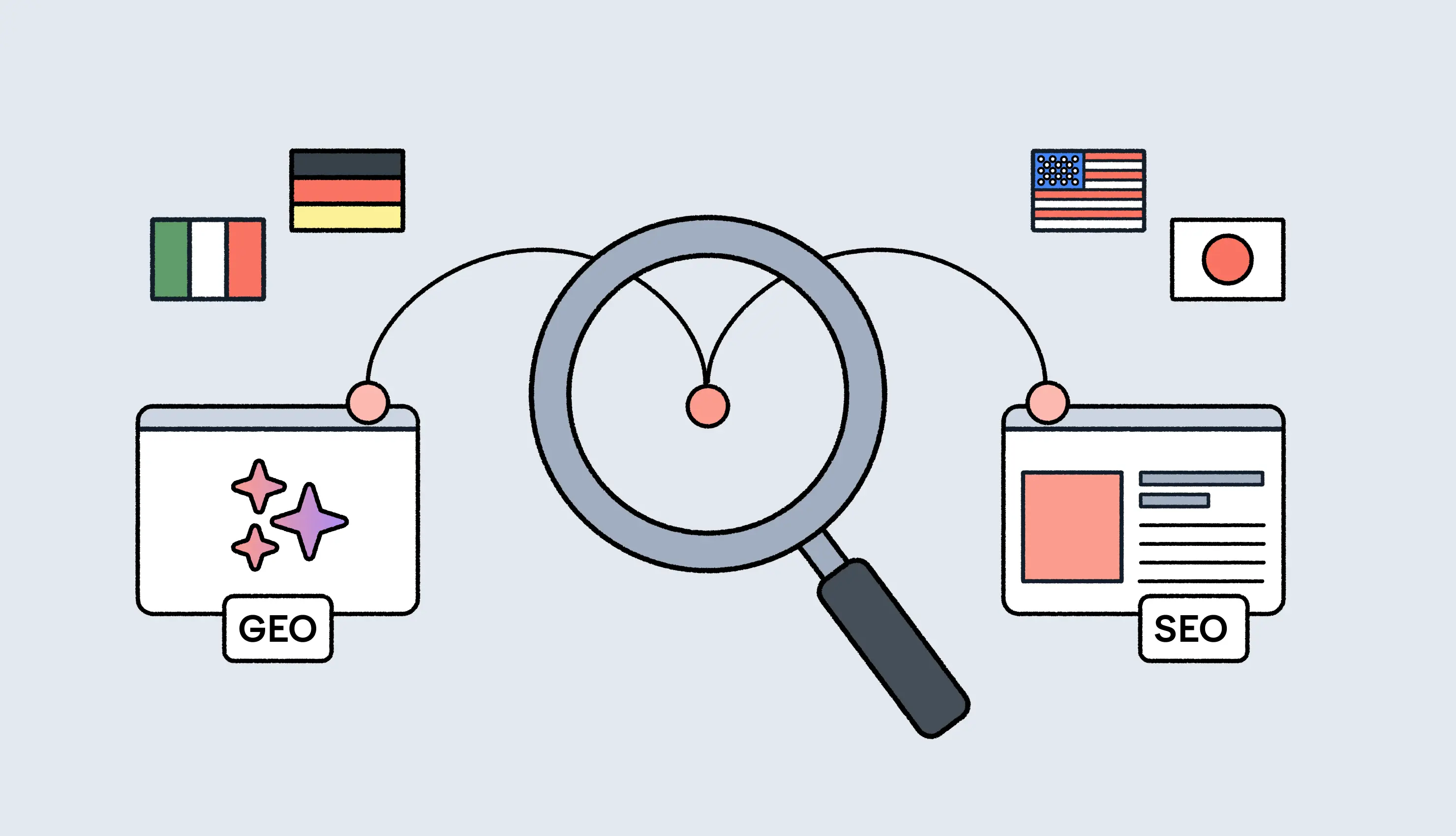
Right now, SEO localization is a must for getting your business content cited in AI Overviews globally.
One very simple reason to do it is that there's less competition in non-English languages. English alone makes up nearly half of all web content, with the next three languages (Spanish, German, and Japanese) combined making up only about 17%.
Since AI Overviews typically draw from the top 3-5 ranked sources, ranking higher in less competitive languages directly increases your odds of being selected as a citation or synthesis source.
And let me tell you something: I have worked in several international businesses, and not a single one reached success without a solid translation management system (TMS) implemented in their localization strategy.
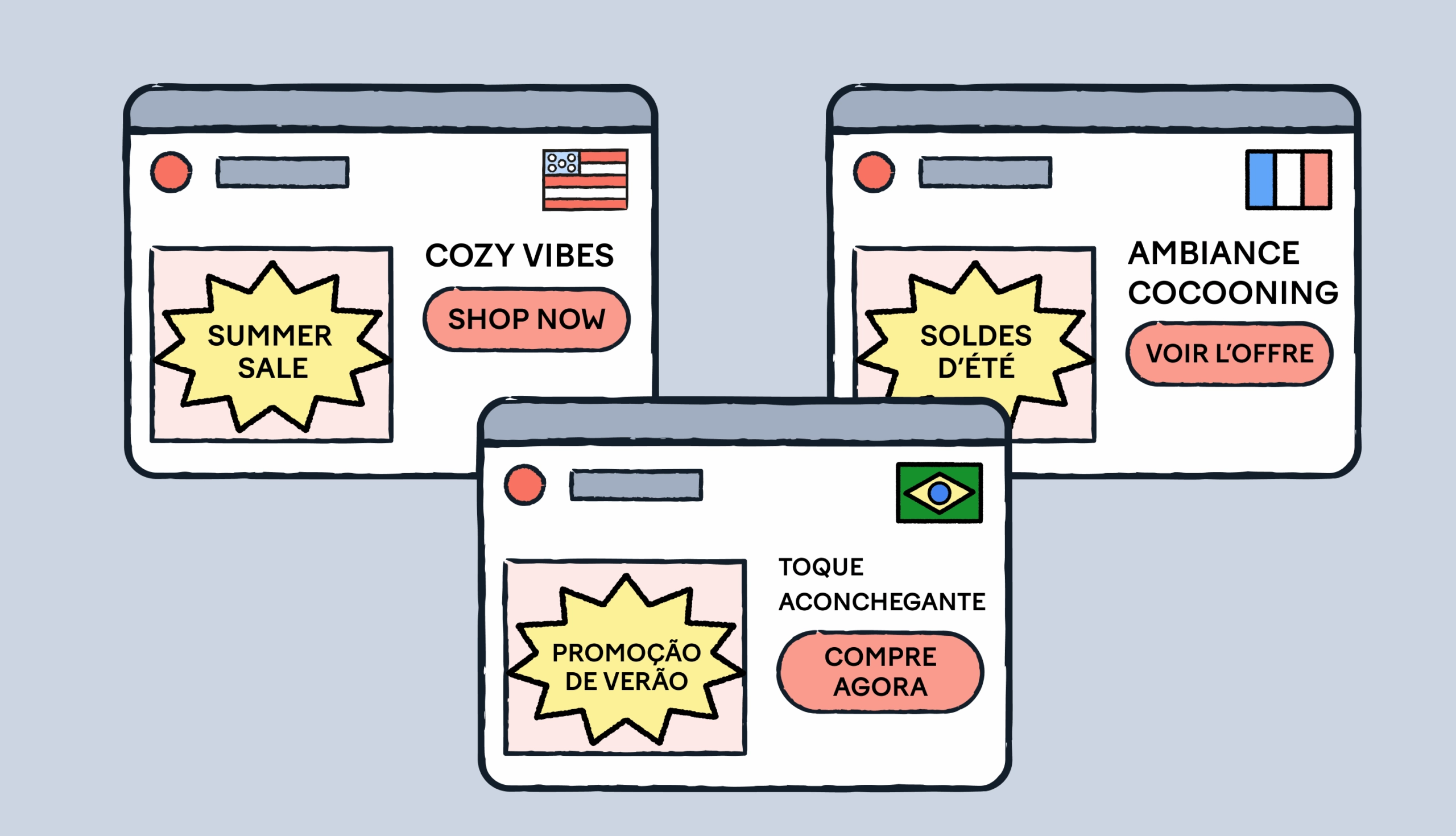
What makes localization different from simple translation?
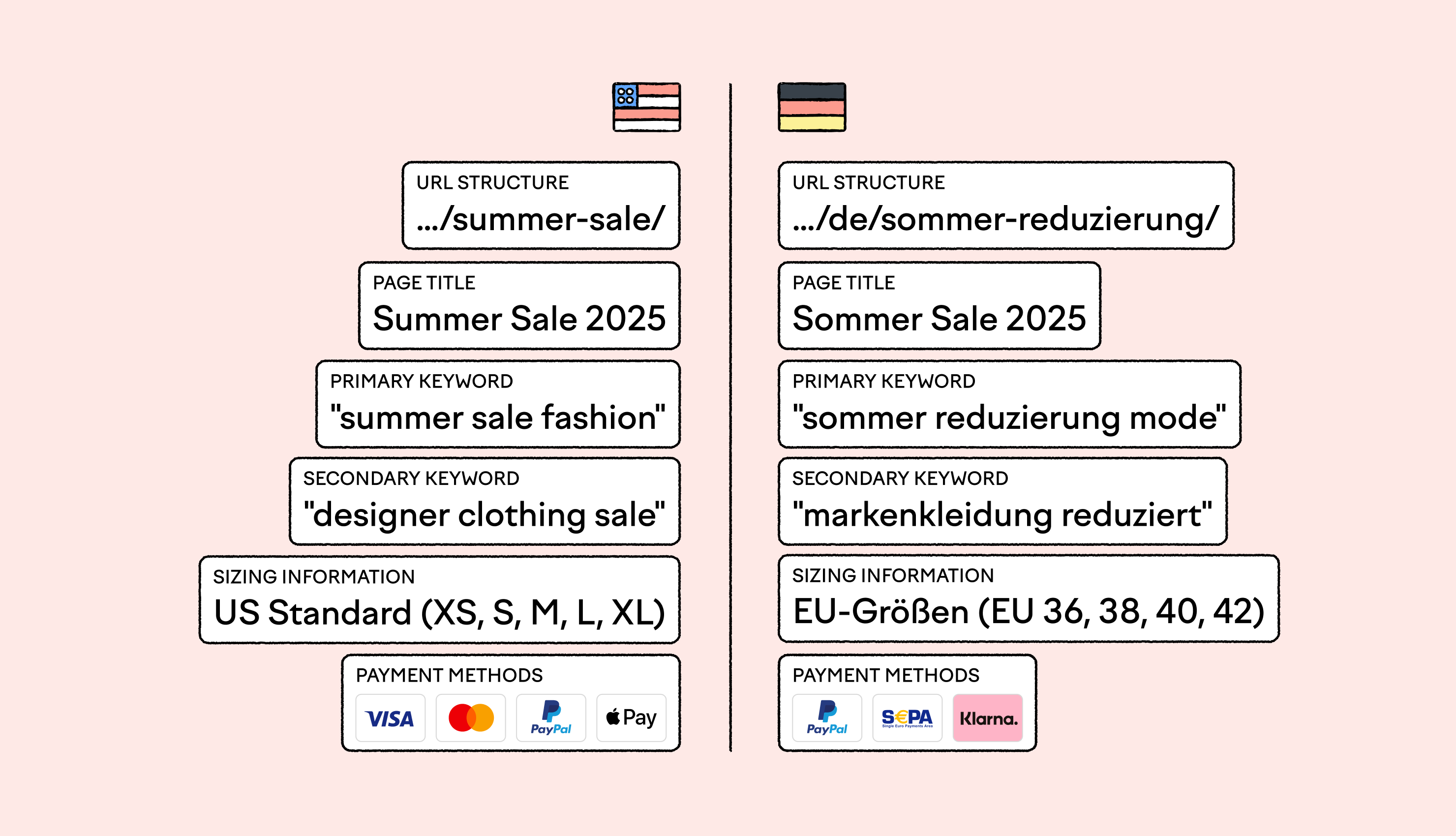
It means researching local keywords, implementing technical signals like hreflang tags, and shaping content around regional search behavior. Not just converting words from one language to another.
The impact is measurable: Airbnb increased bookings 20% year-over-year in new markets after fully localizing support content, which improved their appearance in local search results.
To capture this opportunity, you'll need to combine technical SEO with E-E-A-T (Expertise, Experience, Authority, and Trust) to ensure your global content grabs the Overview top spot in all languages.
How to win AI Overviews in every language (4 steps)
The same SEO fundamentals still matter: site speed, structured data, quality content, and backlinks. But their purpose has shifted. Instead of influencing blue link rankings, they now determine whether AI models see your content as the most authoritative, citable source.
This step-by-step guide walks through the technical and content optimizations that make AI engines prioritize your localized content as the authoritative source in every market
Step 1: Build a technical foundation AI can trust
Before AI models will cite your content, crawlers must be able to access, parse, and trust your site architecture. The following technical elements serve as prerequisites, get any of these wrong, and your content won't be considered for AI Overview inclusion, regardless of quality.
Unifying the language map (Hreflang & URLs)
Hreflang tags tell search engines which language version of a page to serve to which regional audience. Without proper hreflang implementation, crawlers can't distinguish between your English, Spanish, and German pages, diluting your ranking power and confusing AI models about which version to cite in each market.
Equally important is maintaining a clean and unified URL structure. For example, inconsistent trailing slashes or duplicate URL patterns create competing signals that erode the authority AI models need to see before citing your content.