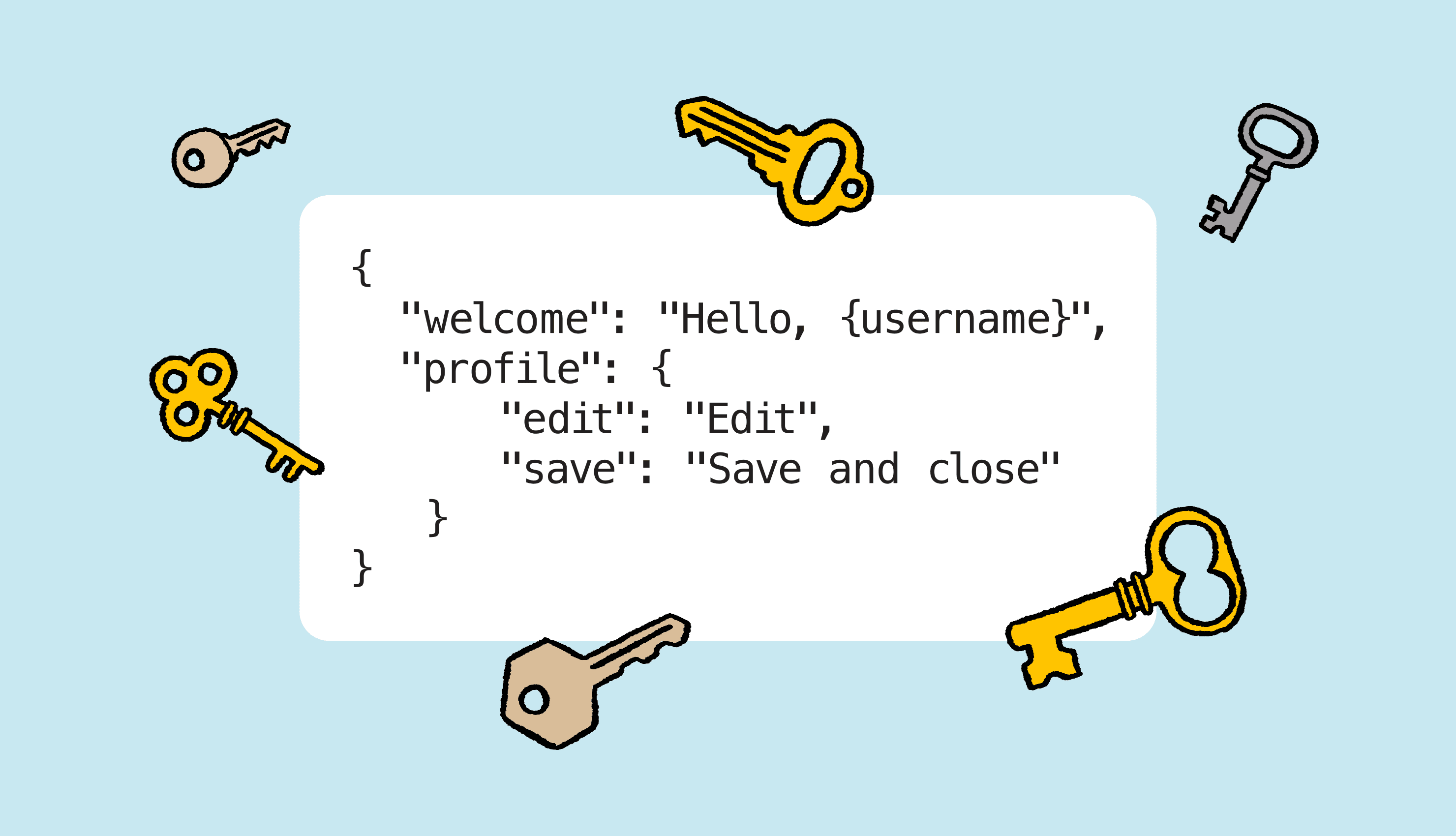
1517544791599.jpg

Ilya Krukowski

Lead of content, SDK/integrations dev

Ilya is the lead for content, documentation, and onboarding at Lokalise, where he focuses on helping engineering teams build reliable internationalization workflows. With a background at Microsoft and Cisco, he combines practical development experience with a deep understanding of global product delivery, localization systems, and developer education.

He specializes in i18n architectures across modern frameworks — including Vue, Angular, Rails, and custom localization pipelines — and has hands-on experience with Ruby, JavaScript, Python, Elixir, Go, Rust, and Solidity. His work often centers on improving translation workflows, automation, and cross-team collaboration between engineering, product, and localization teams.

Beyond his role at Lokalise, Ilya is an IT educator and author who publishes technical guides, best-practice breakdowns, and hands-on tutorials. He regularly contributes to open-source projects and maintains a long-standing passion for teaching, making complex internationalization topics accessible to developers of all backgrounds.

Outside of work, he keeps learning new technologies, writes educational content, stays active through sports, and plays music. His goal is simple: help developers ship globally-ready software without unnecessary complexity.


Latest posts by Ilya Krukowski:

Svelte internationalization

Svelte i18n Internationalization: how to localize a Svelte app

Internationalizing a Svelte app (aka Svelte i18n) is key to reaching a global audience. This guide walks you through making your app multilingual using the Paraglide library, setting up efficient language management, and streamlining translations. The source code for this article can be found on GitHub.

Updated on November 4, 2024·Ilya Krukowski
Lokalise and Django logos

Django i18n: A beginner's guide

Want to make your Django app accessible to users around the globe? This beginner’s guide to Django i18n (internationalization) will walk you through the basics of adapting your application for different languages and cultures. Whether you’re starting fresh or updating an existing project, this guide has you covered. We’ll begin by enabling Django i18n in your project, then explore how to integrate it with tools like Lokalise. By the end, you’ll have a solid grasp of the foundational te

Updated on December 16, 2024·Ilya Krukowski
JavaScript and jQuery logos

jQuery.i18n: Localization & internationalization tutorial with examples

Recently we have done an overview of the most popular internationalization libraries for JavaScript covering solutions like I18next, Globalize and others. In this article, however, we are going to focus on a single solution and talk about localizing JavaScript apps with jQuery.I18n. This is a feature-rich library developed and supported by Wikimedia team. It is easy to get started and which is sui

Updated on December 3, 2024·Ilya Krukowski
Node.js localization and internationalization

Localization in Node.js and Express.js with i18n examples

As your application grows and attracts more users, one of the most effective ways to expand your user base is through localization. By supporting multiple languages, you can make your app accessible to a wider audience. That's why it’s smart to consider localization in Node.js early in your development process, even if you’re not planning to launch with multi-language support right away. Node.js is a popular cross-platform,

Updated on October 4, 2024·Ilya Krukowski
React Native localization and internationalization

React Native app localization tutorial with react-native-localize

In this tutorial, we will learn how to implement React Native localization and internationalization, including support for localized time. Internationalization (I18n) makes it simpler to translate our React Native app into multiple languages. Once internationalization is performed, we will see how to perform React Native localization by supporting English and Russian language

Updated on November 9, 2022·Ilya Krukowski
Globalize logo

Globalize: How to store Rails translations inside a database

In one of our previous articles we were talking about the process of internationalizing Rails applications. That article explained all I18n basics, but it was revolving around placing all translations inside YAML files. There is nothing wrong about this approach, but unfortunately it does not always work.

Updated on November 15, 2022·Ilya Krukowski
localization of Phoenix applications

Phoenix i18n tutorial: from gettext to storing & switching locales

Today we will continue covering back-end frameworks and talk about localization of Phoenix applications with the help of Gettext. You might not have heard about Phoenix before, so let me say a couple of words about it. This is a server-side MVC framework written in Elixir, which is a functional programming language

Updated on September 20, 2024·Ilya Krukowski

Stop wasting time with manual localization tasks.

Launch global products days from now.

  • Lokalise_Arduino_logo_28732514bb (1).svg
  • mastercard_logo2.svg
  • 1273-Starbucks_logo.svg
  • 1277_Withings_logo_826d84320d (1).svg
  • Revolut_logo2.svg
  • hyuindai_logo2.svg