ASP.NET Core localization and translation with examples
Localization is essential when building user-friendly ASP.NET Core applications for different languages and regions. It allows your app to display text, dates, numbers, and other content based on the user’s culture. As part of
Updated on March 19, 2026·Ilya Krukowski Nuxt i18n: Translate your Nuxt.js app into multiple languages
Hello and welcome to this Nuxt i18n guide that will cover translating your Nuxt.js app into multiple languages. We'll cover everything you need to know to make your Nuxt.js app multilingual. We'll start by setting up the i18n package and managing translation files. You'll learn how to switch languages, localize routes, and save language preferences. We'll also dive into supporting right-to-left languages, handling pluralization, and localizing dates, times, and currencies. Let's get st
Updated on December 19, 2024·Ilya Krukowski Translating apps with gettext: A comprehensive tutorial
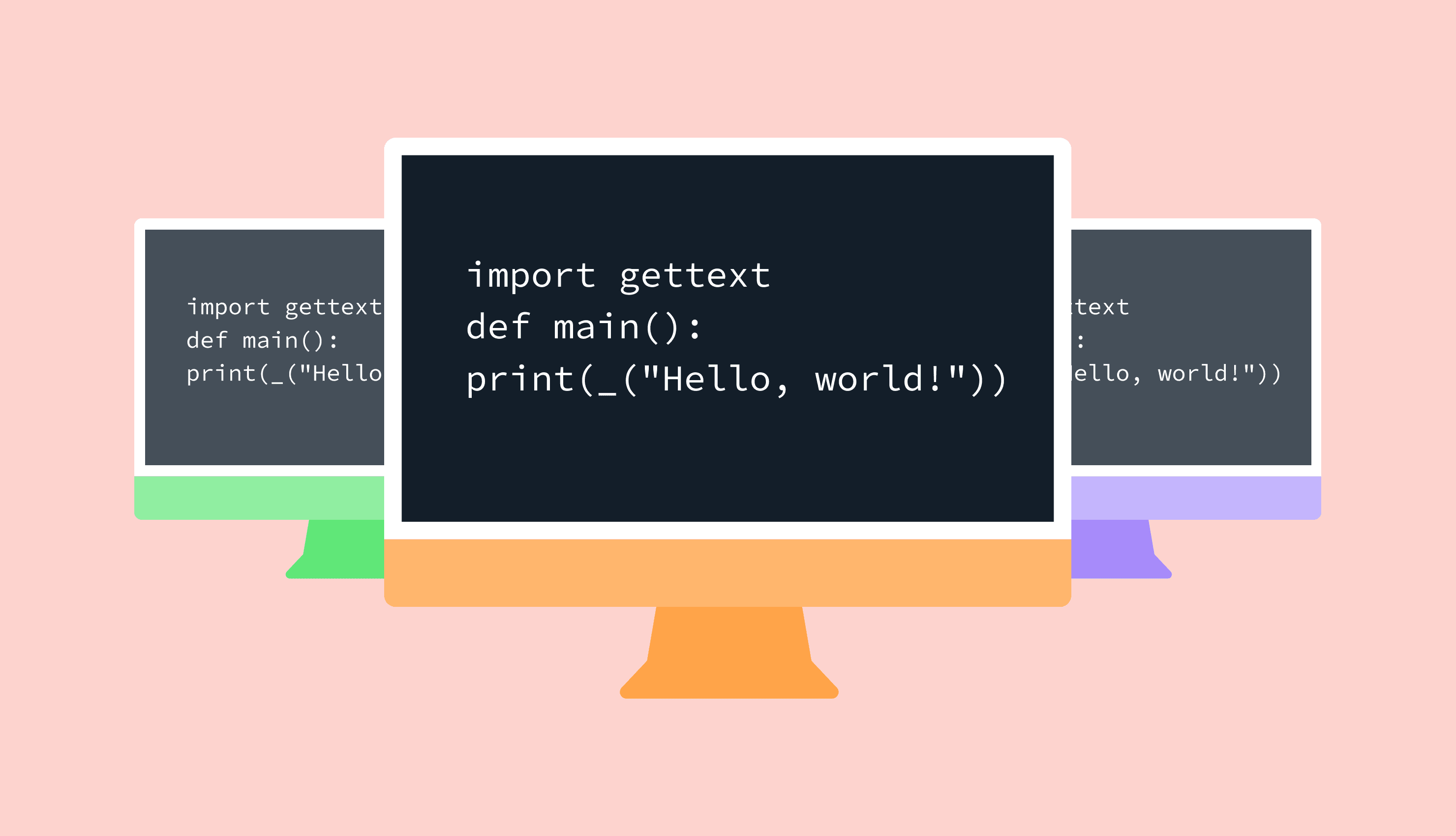
Welcome to our gettext tutorial, crafted for developers who are new to the world of software internationalization. This guide will introduce you to gettext, a popular tool that enables your applications to support multiple languages and display localized time with ease. Gettext is essential for
Updated on September 23, 2024·Ilya Krukowski Beginner’s guide to internationalization (i18n)
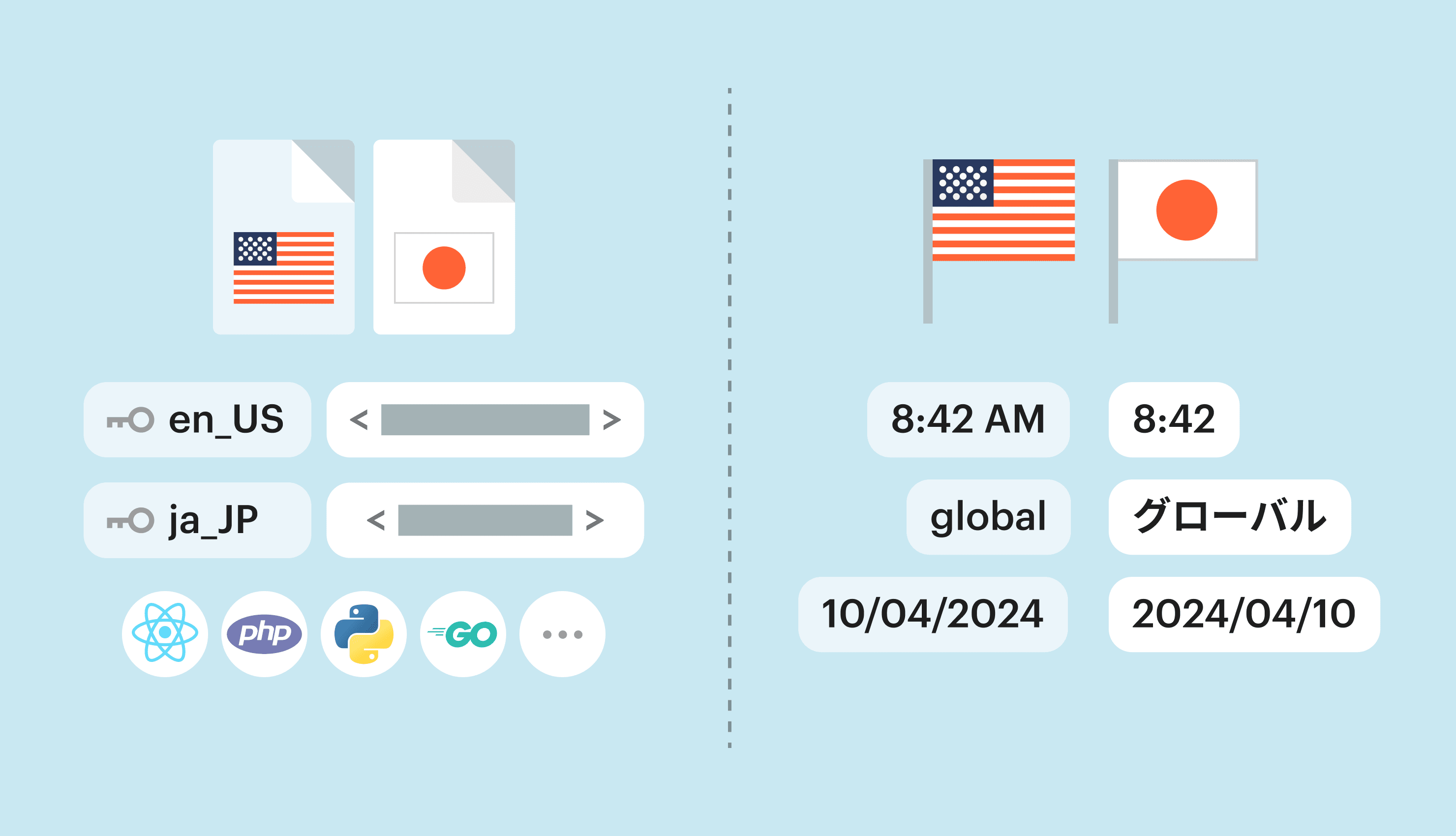
Ever wondered how apps and websites can show up in different languages with just a few clicks? That’s the magic of internationalization, or “i18n” for short (because there are 18 letters between “i” and “n” in the word). It’s all about setting things up behind the scenes, so your product can easily switch languages, adapt to regional preferences, and feel local—no matter where your users are. In
Updated on May 29, 2025·Ilya Krukowski Decoupling a monolithic PHP application: a practical example
Decoupling a monolith is not a rare problem. It has cropped up in most of the companies I’ve worked at. This happens because, at the early stages of any startup, there is so-called decision debt being accumulated. As a result, the chosen architecture is optimal for rapid development and experimentation, but not for a mature product environment. Considering that this proble
Updated on September 23, 2024·Ilya Levin A developer's guide to translating dynamic content
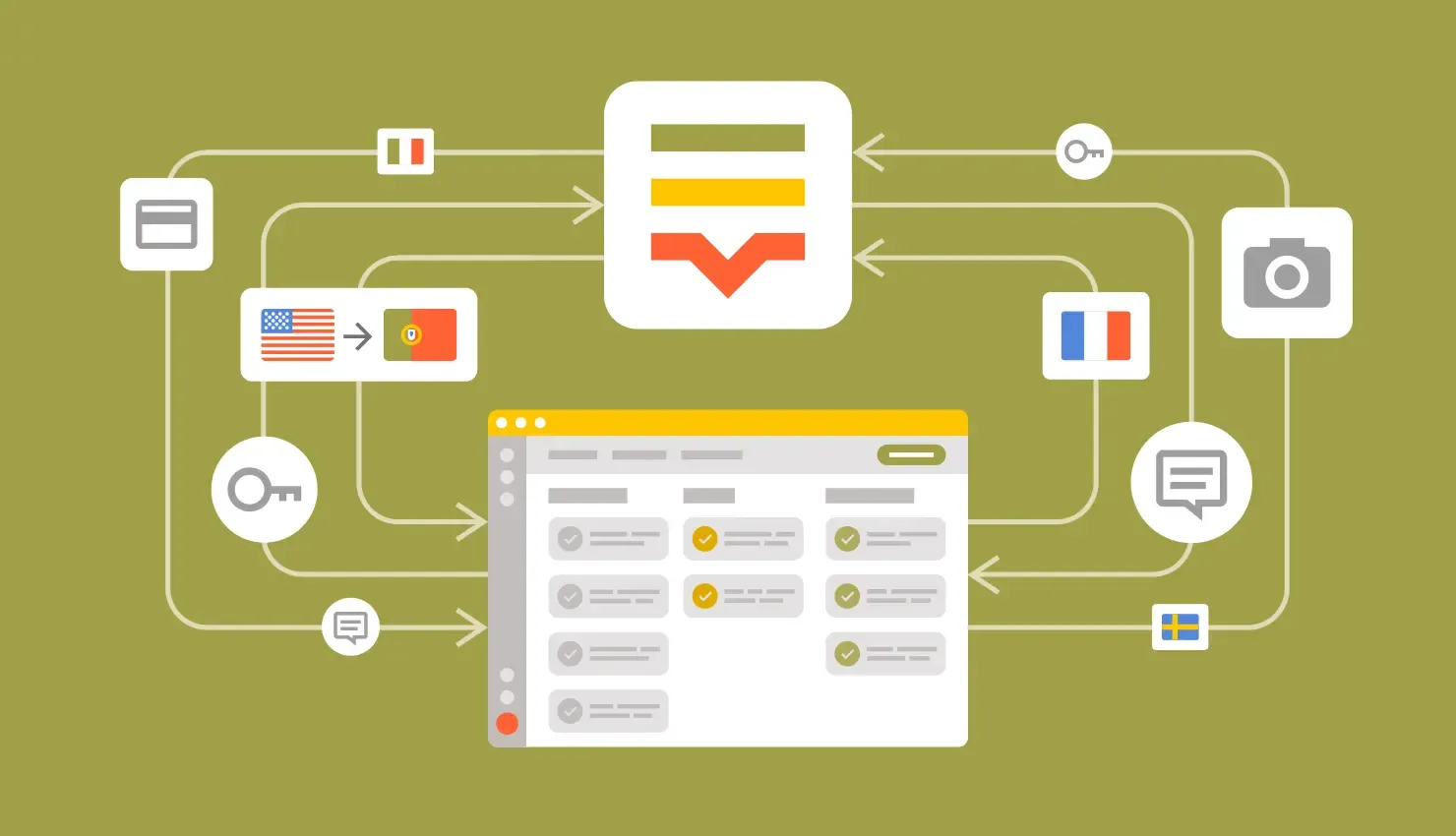
Translating dynamic content is often challenging, especially when it comes to website localization. Websites frequently have constantly changing elements like user-generated content, real-time updates, or personalized messages that require seamless integration of translations. Effective website localization ensures that all these dynamic parts are accurately translated and displayed in the correct context, providing a smooth and
Updated on August 29, 2024·Joe Brockbank Easily convert files into many formats with Lokalise
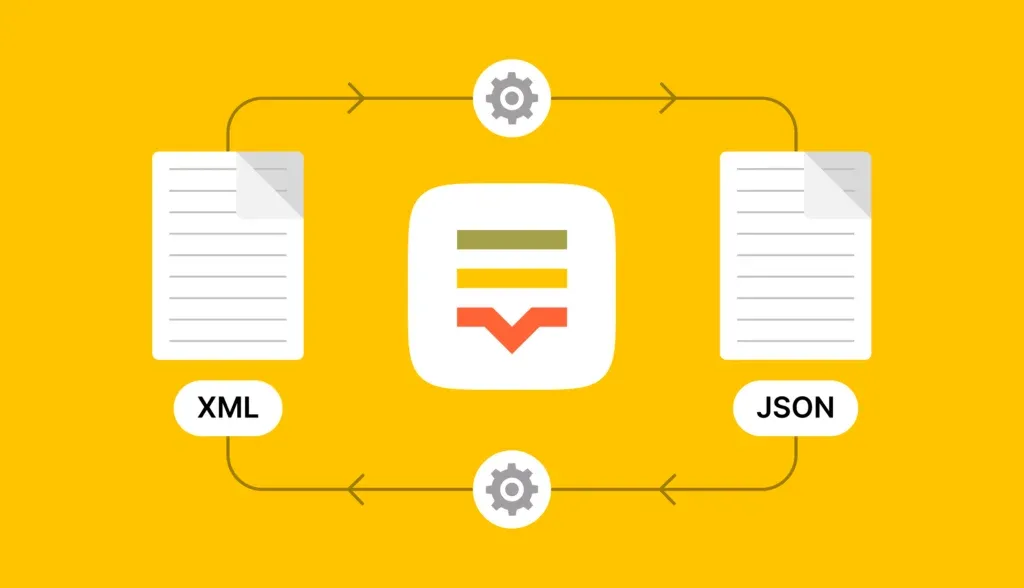
Converting and working with different file formats is a pretty typical task these days. For instance, you might need to convert your JSON file into a CSV or XLSX, or turn an XML into a JSON while preserving all the content and making sure the output is valid. Effective file conversion is essential for successful software internationalization, allowing teams to manage and localize c
Updated on September 23, 2024·Ilya Krukowski Lokalise APIv2 in practice
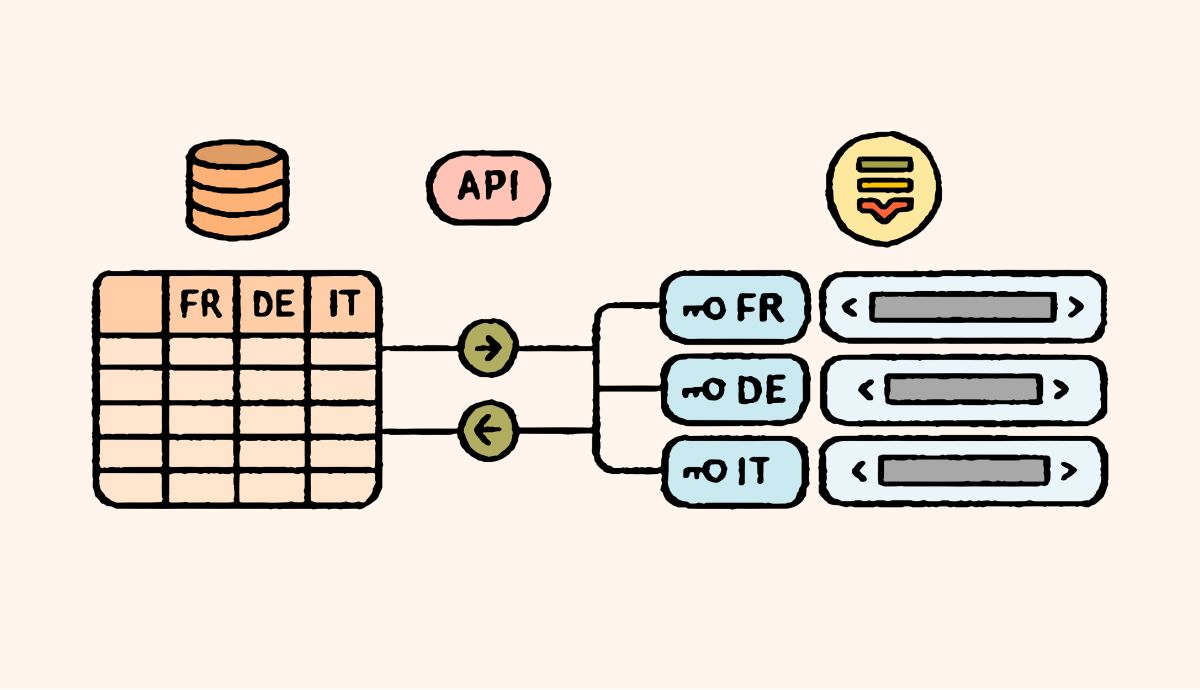
In one of my previous articles I was covering Lokalise APIv2 basics, explaining its key features, and how to get started with it. Today we are going to work a bit more with the API using Node, Ruby, and Python SDKs. We are going to cover some real-world scenarios and discuss different code samples. By the end of this article you’ll be able to put your knowledge to work in real projects.
Updated on September 20, 2024·Ilya Krukowski