International expansion: 5 steps to build a winning global strategy
International expansion is a smart business move for companies looking to increase their market share and grow. But with globalization, as you extend your operations beyond your domestic market into foreign countries, you’ll face numerous challenges. You might need to open new offices, launch localized products or services adjusted to target markets, form partnerships, and more.
Updated on September 12, 2024·Emils Veveris Internationalization vs. localization (i18n vs l10n): What's the difference?
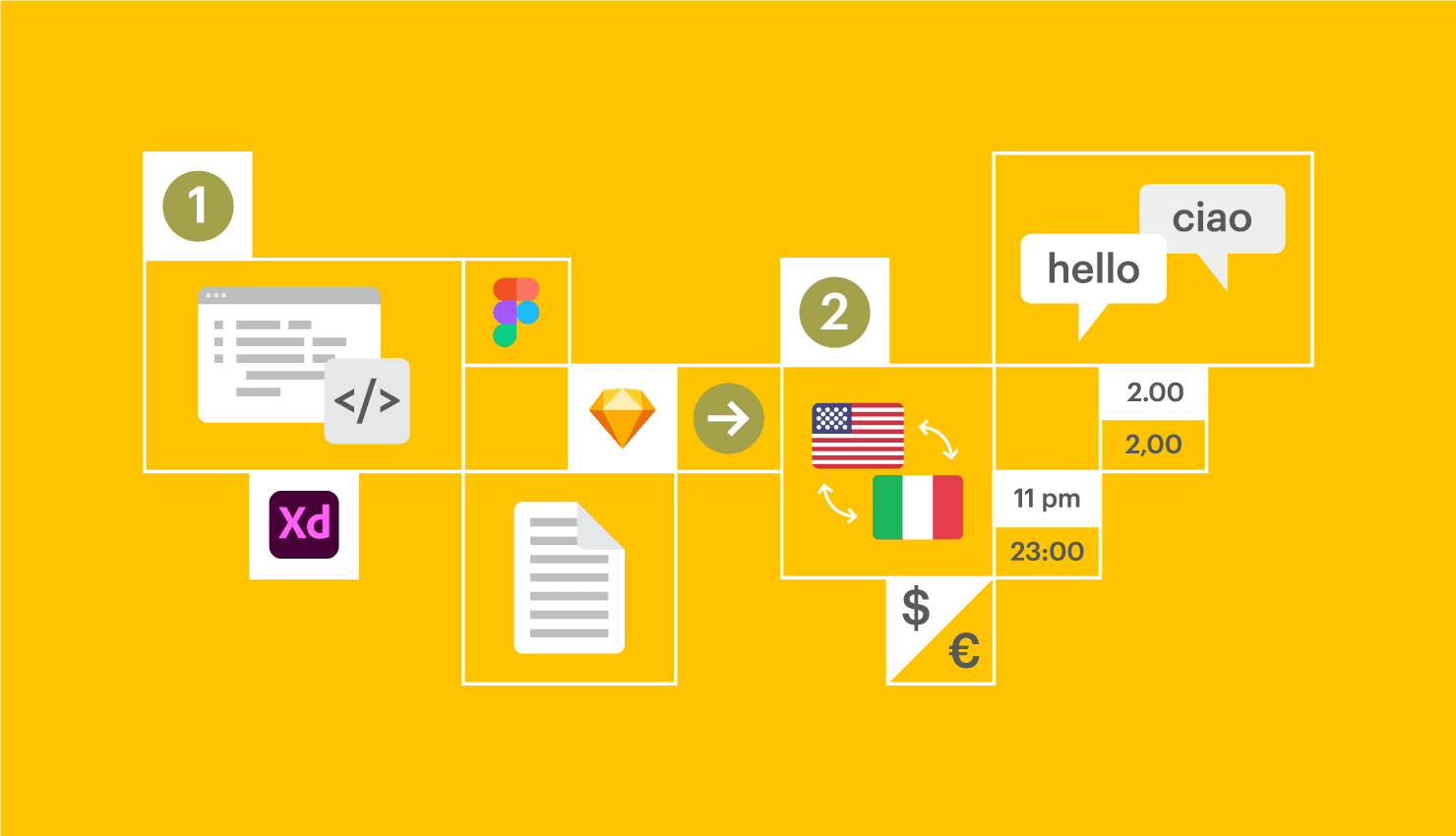
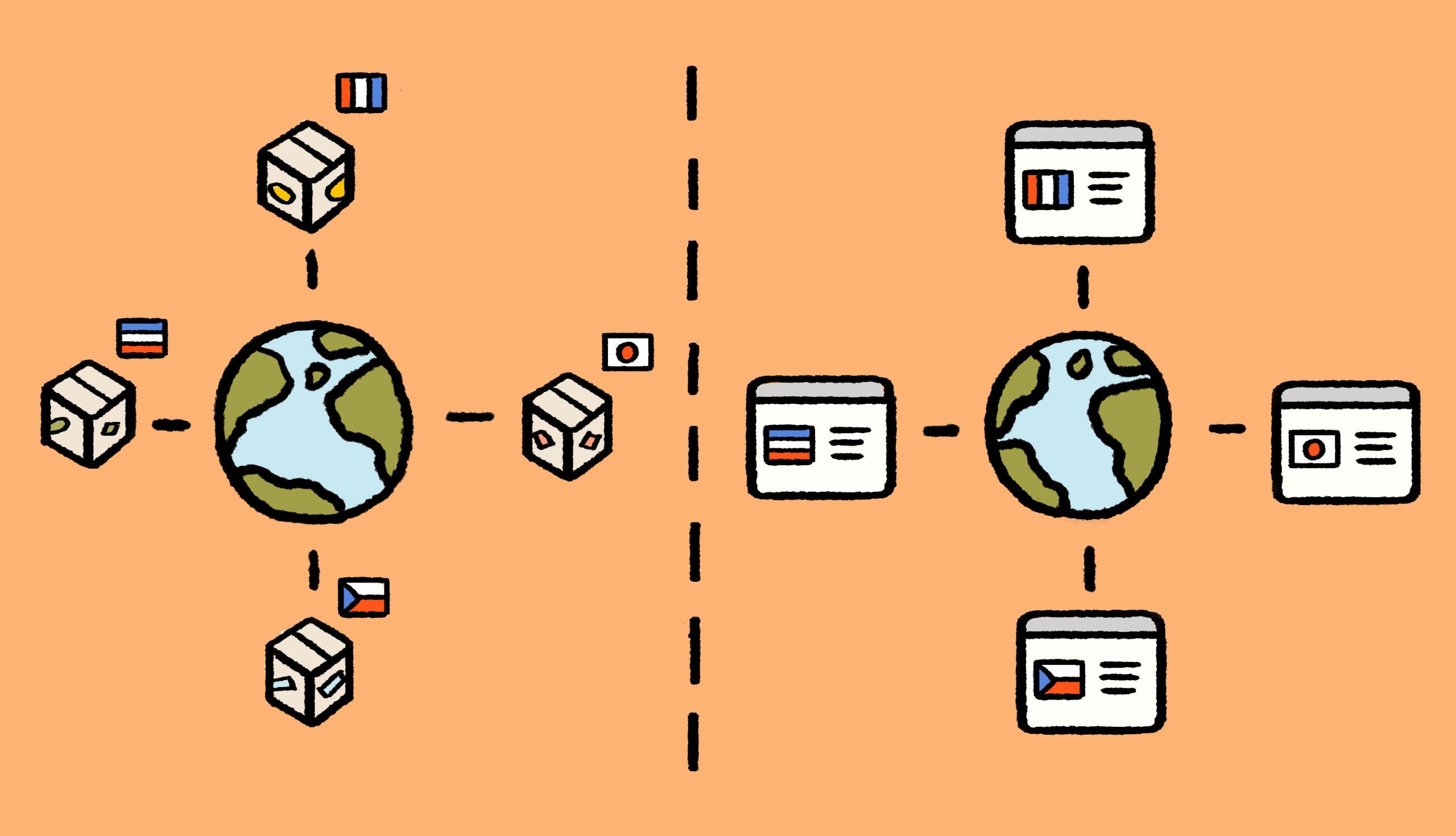
While Internationalization and localization are often used interchangeably, they actually refer to two different processes. Internationalization involves building software in a way that allows you to adapt it to various languages and cultures, while localization is the process of actually adapting software to a specific language or culture. Effective translation mana
Updated on September 23, 2024·Ilya Krukowski We analyzed the best 5 examples of multilingual websites
Creating multilingual websites is one of the best ways to connect with audiences around the world. But it’s not just about adding a language switcher or running text through a translator; effective website localization ensures that your content is culturally relevant, accurate, and user-friendly across all markets. The most successful multi
Updated on January 27, 2025·Mia Comic 12 best translation and localization services & companies
Successful localization depends on collaboration with your language partner to deliver the best results for you and your customers. Integrating software internationalization into this process can streamline localization by ensuring your product's design is adaptable to various languages and cultural norms. By focusing on a seamles
Updated on July 25, 2024·Agnese Kalnina Global go to market strategy: how to build a scalable GTM plan
The music industry has a phrase to describe business-related growing pains: the “difficult third album”. Here’s what it means: First, you created a product your home market likes. (Your first album.) Then you went from local to national, playing to packed houses of your fellow citizens, with a second. Now, thanks to globalization, it’s time to expand into global markets—foreign audienc
Updated on September 9, 2024·Stefanos Bournias Marketing Localization: Strategy & What Is Localized Marketing
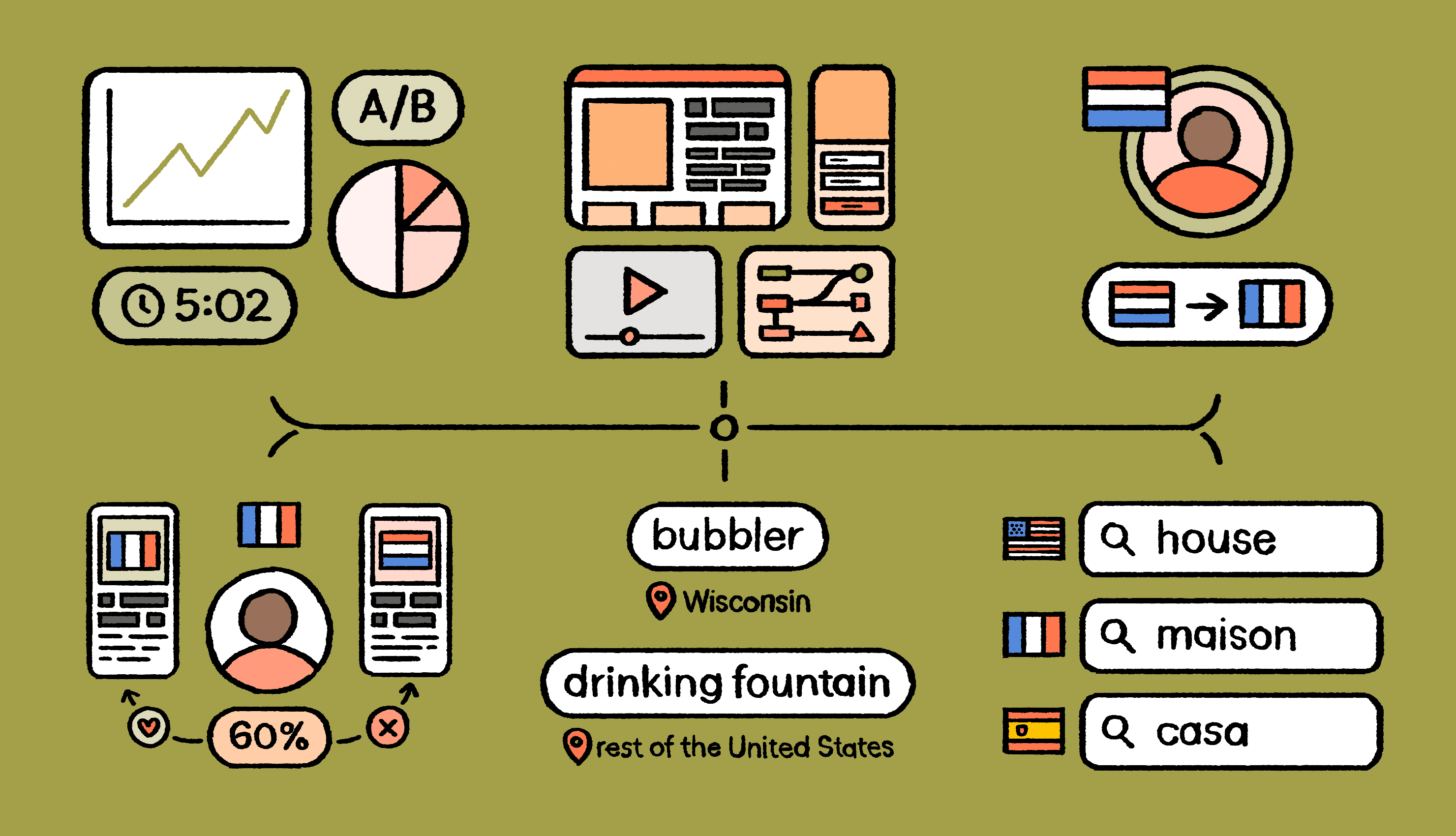
One-size-fits-all marketing won’t take you far in a world where buyers crave personalized experiences. Simply translating content into different languages is a job only half done. Instead of generic translations, you have to completely rethink your marketing campaigns to fit the cultural context of every region. The same goes for product localization, it’s not just about language, but adapting the
Updated on April 14, 2025·Stefanos Bournias Is Google Translate accurate? Google vs DeepL
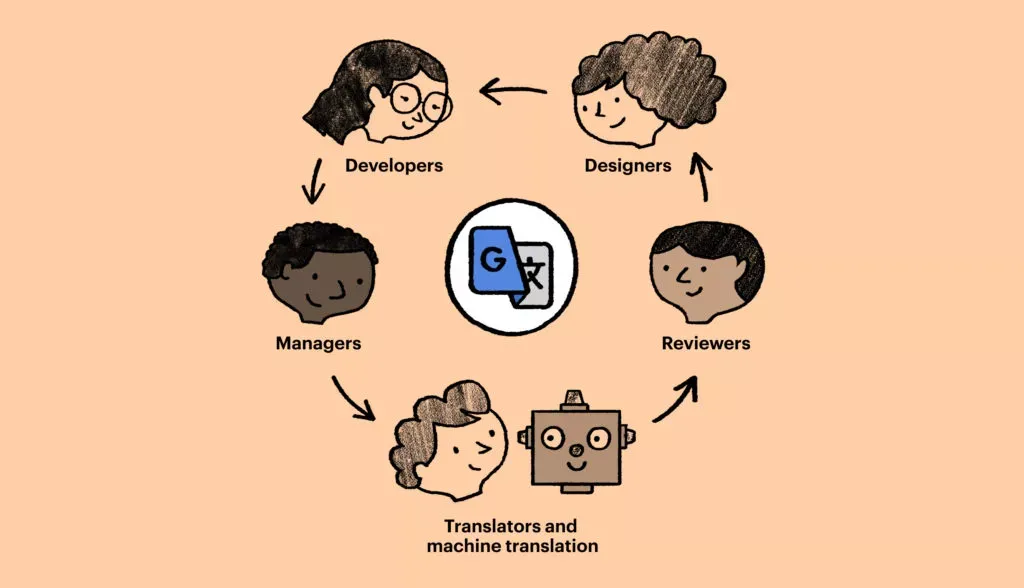
How many times have you used Google Translate and then wondered how accurate the translation is? Unless you know both the source language and the target one, it’s really hard to tell. Neural machine translation engines like Google Translate have improved a lot over the years. They are not perfect, but they can help you translate content much faster. Let’s take a closer look at how accurate Google Translate is, and whether you can trust it without involv
Updated on April 4, 2025·Stefanos Bournias Globalization vs. Localization: What's the Difference?
Globalization vs. localization—two sides of the same coin, right? But when shaping a product or marketing strategy, you might ask yourself: Given the impact of globalization, should I go global, or should I tailor the approach to individual markets? The thing is, it’s not really an either/or situation. It’s about knowing when to think globally and when to adapt locally. An
Updated on October 16, 2024·Ross Weldon