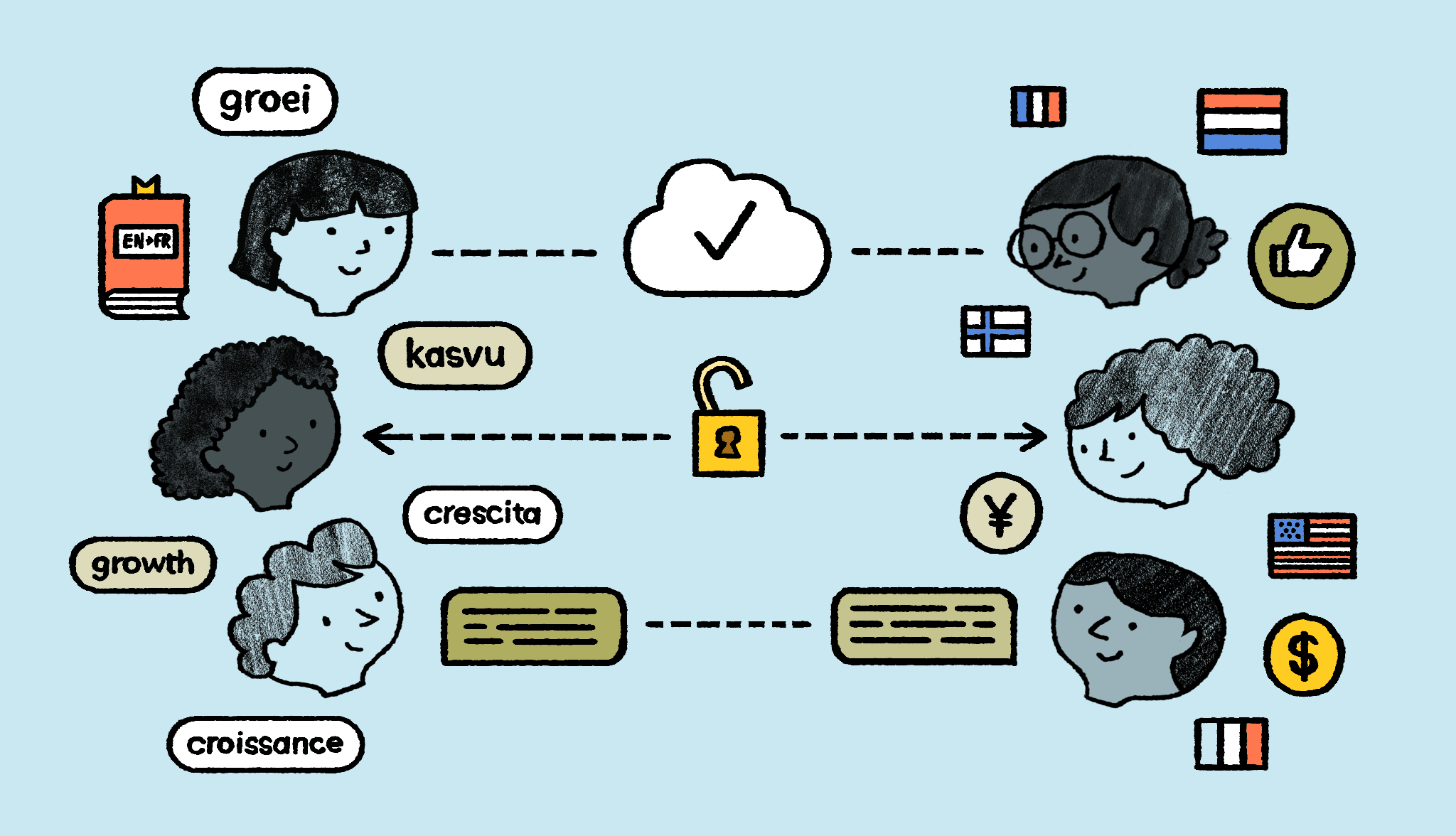
Is Google Translate accurate? Google vs DeepL
How many times have you used Google Translate and then wondered how accurate the translation is? Unless you know both the source language and the target one, it’s really hard to tell. Neural machine translation engines like Google Translate have improved a lot over the years. They are not perfect, but they can help you translate content much faster. Let’s take a closer look at how accurate Google Translate is, and whether you can trust it without involv
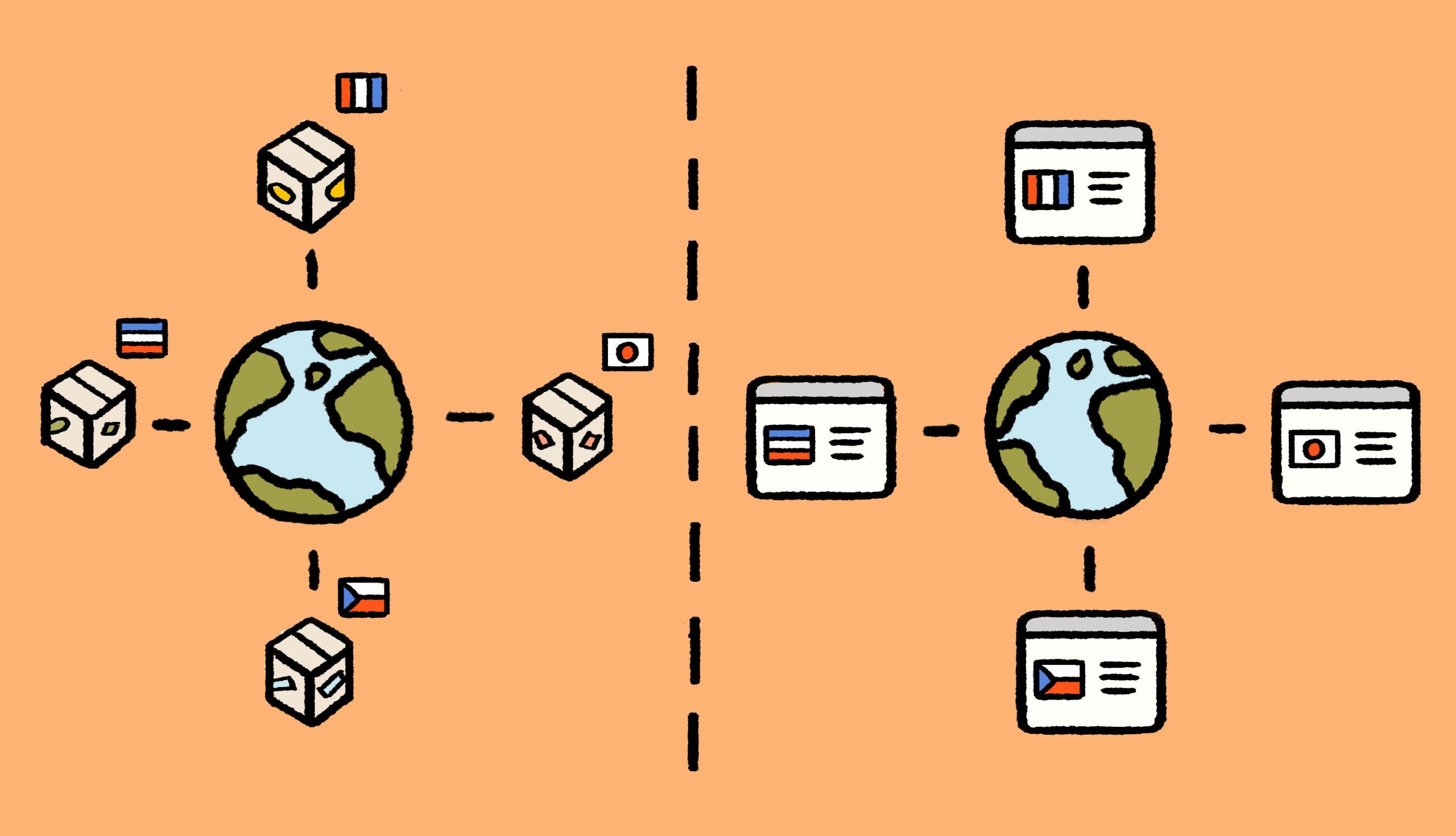
Updated on April 4, 2025·Stefanos Bournias Globalization vs. Localization: What's the Difference?
Globalization vs. localization—two sides of the same coin, right? But when shaping a product or marketing strategy, you might ask yourself: Given the impact of globalization, should I go global, or should I tailor the approach to individual markets? The thing is, it’s not really an either/or situation. It’s about knowing when to think globally and when to adapt locally. An
Updated on October 16, 2024·Ross Weldon How localization accelerates growth at three industry-leading tech companies
The world’s top 10 SaaS companies localize their platforms into 17 different languages on average. Companies that invest in new languages grow. And companies that grow invest in new languages: Businesses that use localization services earn
Updated on July 9, 2024·Stefanos Bournias 3 steps to a bulletproof market expansion strategy
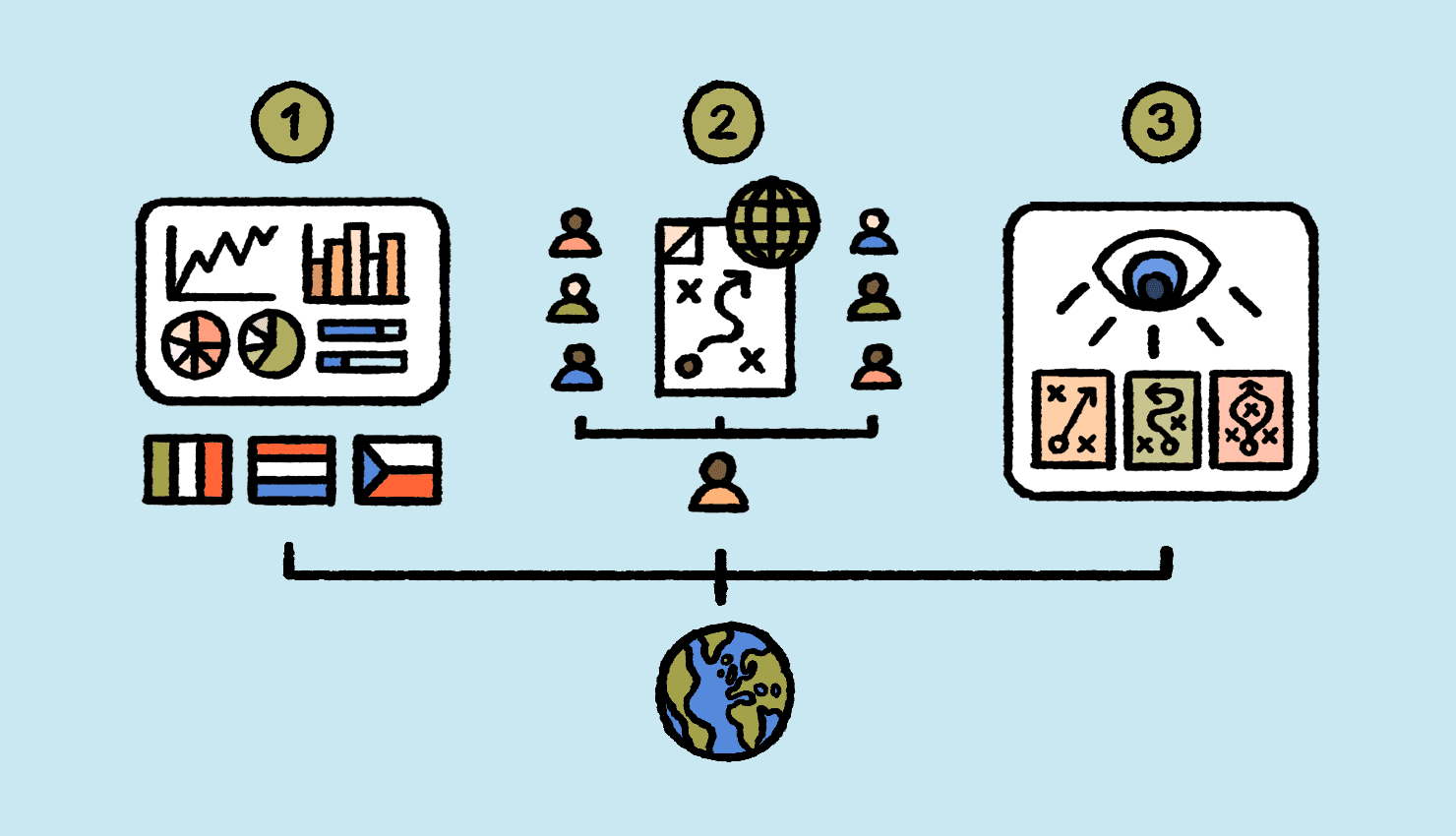
Market expansion opens up exciting opportunities, but it's also a challenge. Like with every transnational strategy, to succeed, you need a solid plan that cuts down on risks and drives business growth. A bulletproof strategy helps you enter new regions with confidence and efficiency. In the context of
Updated on October 16, 2024·Stefanos Bournias What is linguistic quality assurance (LQA) and how to create a process
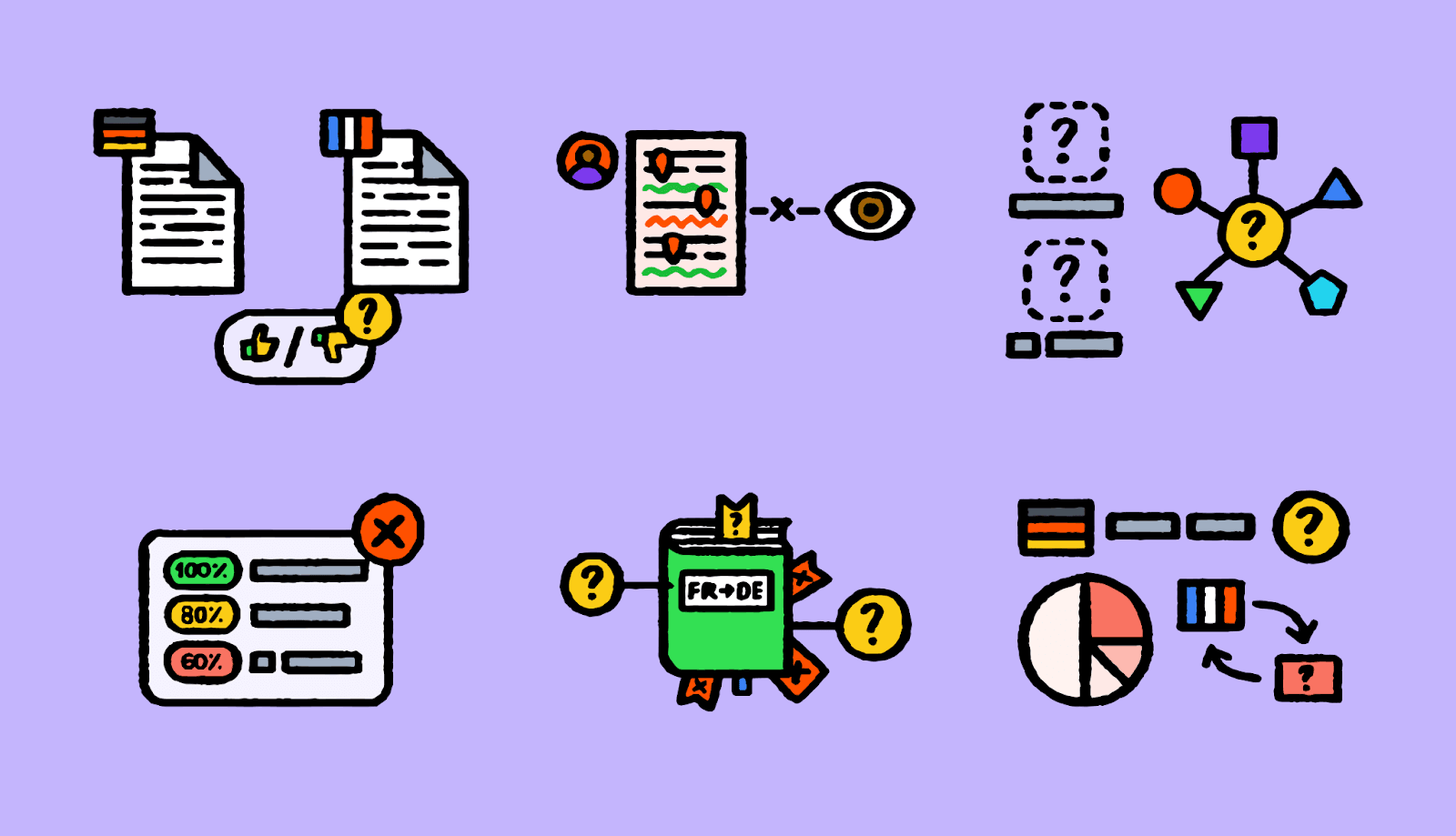
Poor translations = bad user experience, brand erosion, costly/embarrassing mistakes, and potential legal issues. This is why linguistic quality assurance (LQA) is so important. It’s a system of processes that ensures your translated content is error-free. But what does an LQA process look like and how do you create one? What tools can you use to facilitate this process? Before we continue, let’s explain what LQA is and why it matters.<
Updated on February 4, 2026·Valentyna Kozlova Market Entry Strategies: How to Enter a New Market
Many businesses underestimate the complexity of entering a new market — only to later realize that enthusiasm alone doesn’t translate to success. That’s why you need a foolproof market entry strategy. This strategy gives structure to your efforts with clear goals, relevant metrics, well-planned workflows, and timelines. Whether you're launching in one country or many, a solid new market entry strategy is your best chance at building long-term growth. In thi
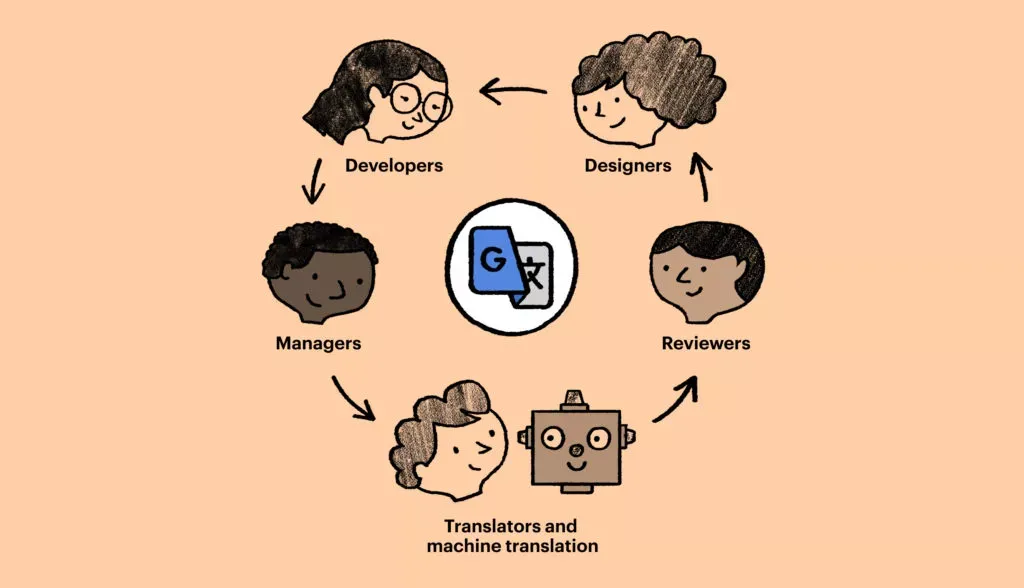
Updated on May 6, 2025·Ross Weldon Translation services: a comprehensive overview
A good translation understanding what is translation and its true impact, will drive your business growth, allowing you to promote your products, provide customer service, and tap into completely new markets. A poor translation, on the other hand, will delay international product launches, damage your brand reputation and increase the risk of
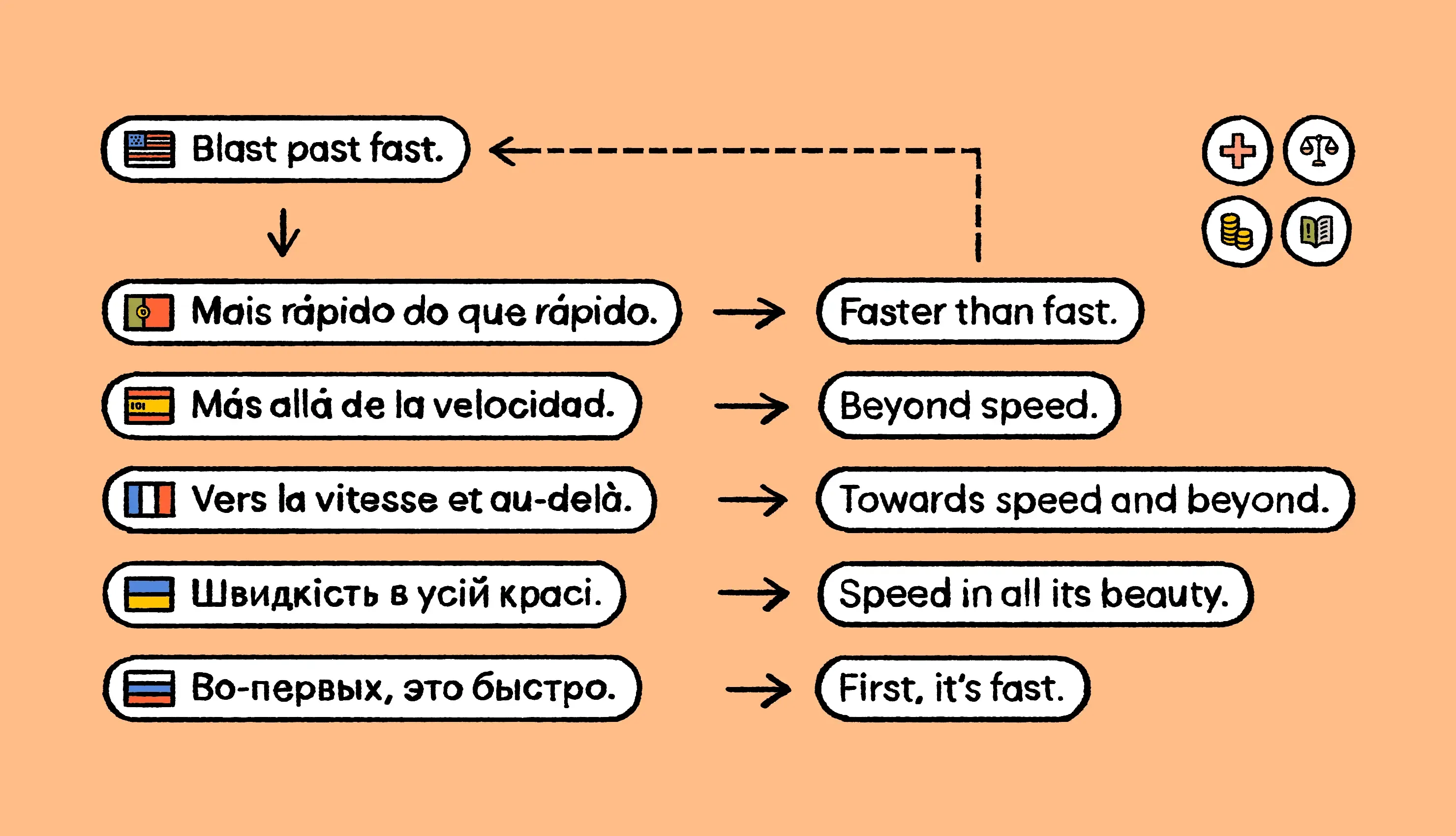
Updated on August 29, 2024·Agnese Kalnina What is back translation? Method explained with examples
Back translation, also known as reverse translation, is when content gets translated back to its original language and then compared to the source text. This is a key localization quality control technique and plays a vital role in software internationalization. With back translation, you can easily spot discrepancies and evaluate translation accuracy. Let’s
Updated on September 19, 2024·Valentyna Kozlova