The Localization Mistakes Marketers Wish They Could Take Back
Your campaign killed it at home. Then you launched it in Brazil, and the tagline became a punchline. Sound familiar? Nearly 3 in 10 marketing and company leaders say it's happened to them, and the cleanup cost thousands of dollars. Lokalise surveyed 392 marketing and sales leaders who localize content across multiple countries and languages to find out what actually goes wrong, and what they'd do differently. What came back wasn't a polished post-mortem. It was an honest reckoning from
Updated on May 19, 2023·Brittany Wolfe Localized Brands Are Winning AI Search
You're optimizing for AI search. But are you doing it in every language that matters? We surveyed 1,000 global marketing, SEO, and localization leaders and found that brands investing in localized content are already seeing stronger AI search visibility. Meanwhile, companies that haven't started optimizing say budget is the biggest thing holding them back. Here's what the data shows. Key takeaways 63% of global companies a
Updated on April 13, 2026·Brittany Wolfe Your AEO strategy is invisible to almost 80% of the world
What you'll learn in this article: Why AI answer engines have a built-in language bias — and what it means for your brand's global visibilityThe four signals that determine whether your brand gets cited in AI search resultsHow to build the content infrastructure that earns A
Updated on April 1, 2026·Victor Tejeda The 5 best tools for AI translation post-editing (MTPE)
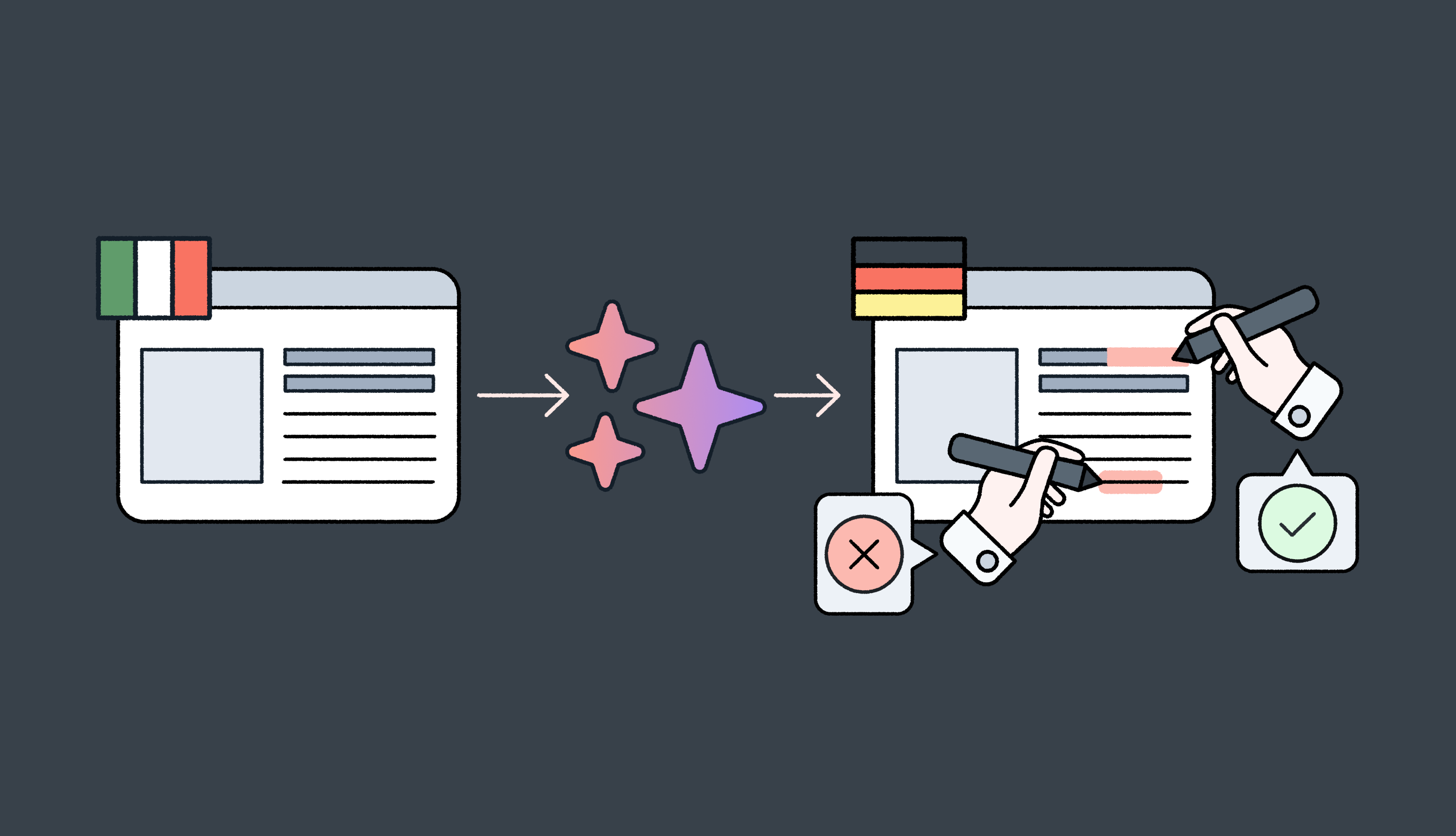
AI translation post-editing tools promise 40-60% cost savings. In practice, you only get those savings when AI output is controlled. This means your terminology is enforced, risky segments are flagged before they go live, and linguists only touch what truly needs human attention. That’s why the best MTPE tools today aren’t standalone CAT tools or MT engines. They’re actually translation management systems (TMS) that orchestrate AI, terminology, and quality assurance in one place.
Updated on March 30, 2026·Mia Comic AI vs human translation cost: How to cut localization costs by up to 97%
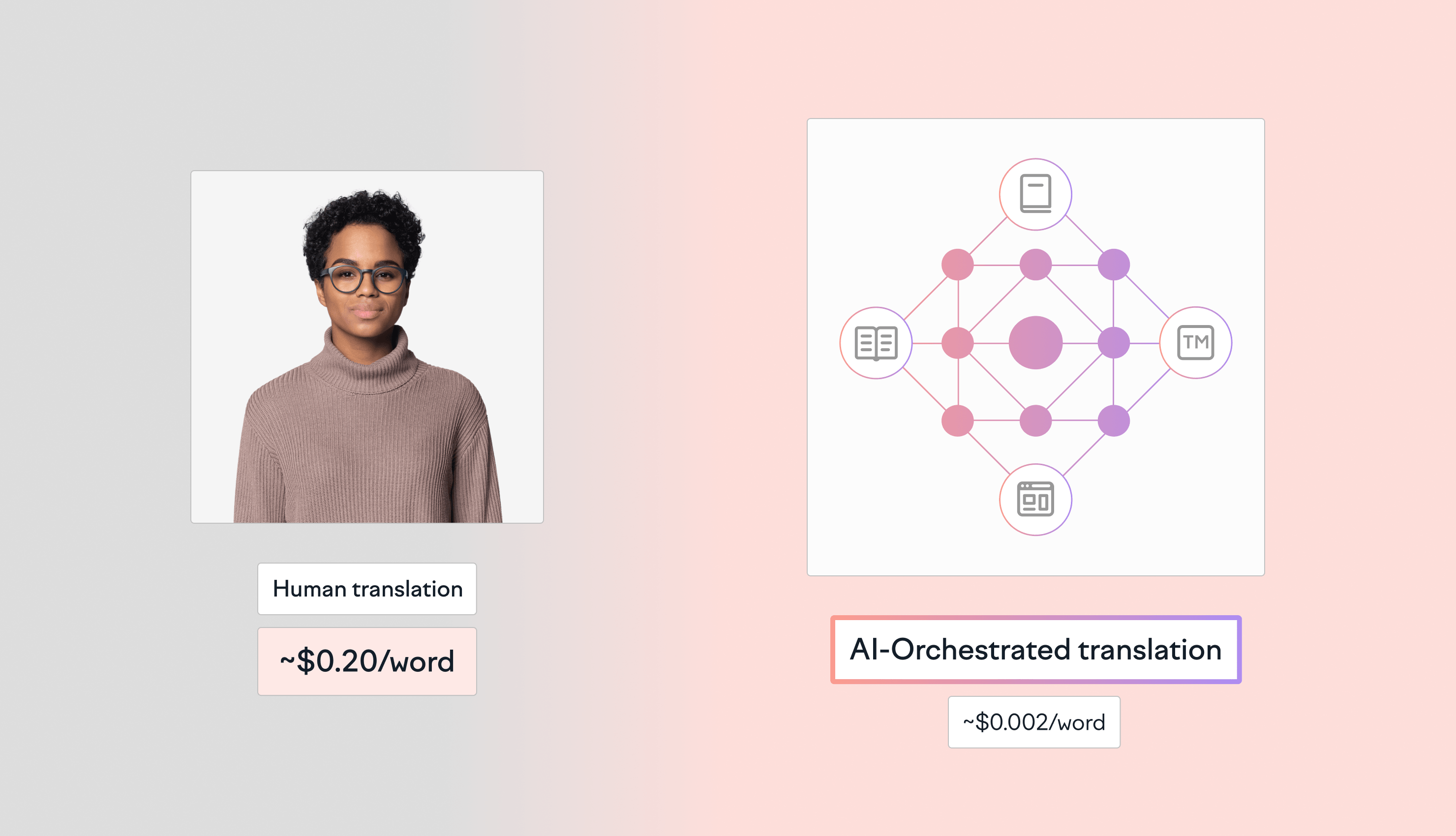
As of 2026, the Total Cost of Ownership (TCO) for enterprise localization has shifted from a per-word human model (~$0.20/word) to an orchestrated AI model (~$0.002/word). This 100x efficiency is driven by AI Orchestration, which automates context retrieval (RAG) and eliminates manual project management overhead. This shift comes from AI orchestration. These systems combine large language models with retrieval-augmented context, terminology databases, translation memory, and automated q
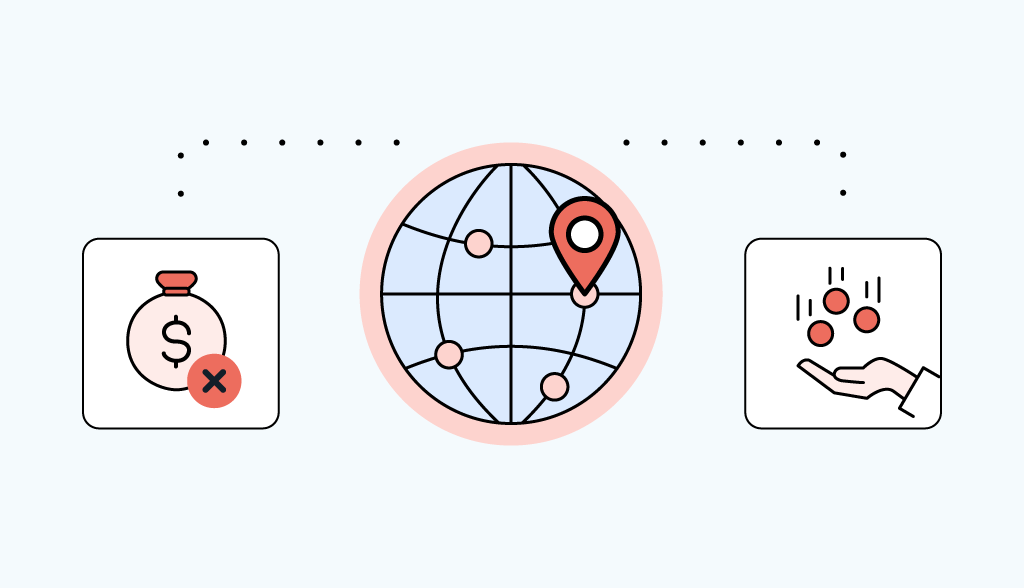
Updated on March 26, 2026·Mia Comic The global expansion reality check: Where localization is costing companies revenue
Global expansion is back on the table for 2026. But many teams are moving into new markets faster than their localization strategy can keep up. To see how companies are actually preparing for international growth, Lokalise surveyed 500 global business leaders. What we found was a gap between intention and execution, especially around translation quality, regional investment, and budget priorities. For product, marketing, and growth leaders, the takeaway is straightforward: localiz
Updated on March 12, 2026·Brittany Wolfe Headless CMS localization tools: Build a hands-off translation workflow
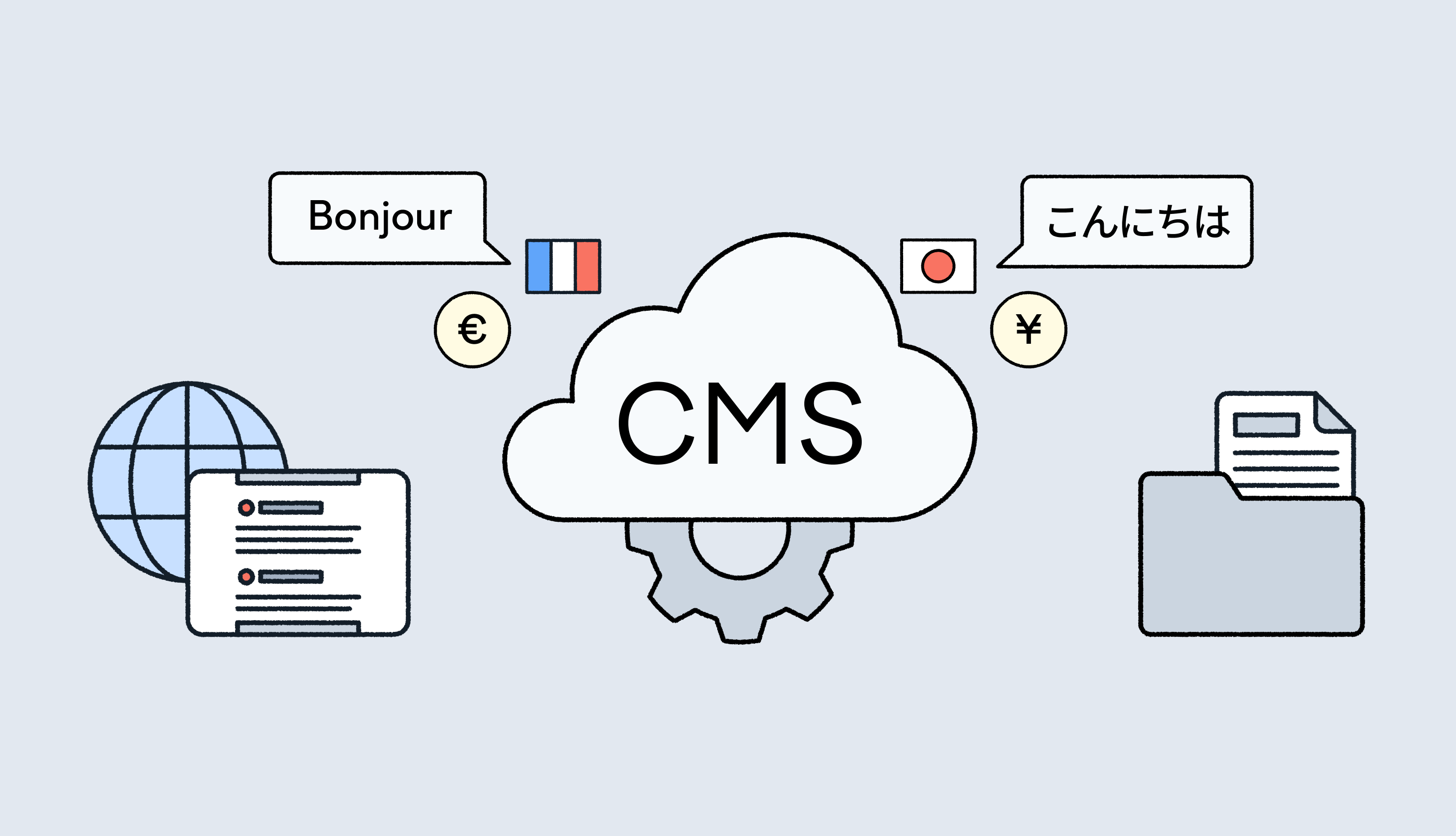
Headless CMS platforms are built for speed. You publish once, every frontend updates. But then localization shows up, and the “fast” stack suddenly depends on a rather slow routine: export strings, email a file, chase approvals, import, fix broken formatting, repeat. If you’re a developer or content manager, you’ve felt the cost. Releases slip and translators work from stale content without even knowing it. Engineers get pulled into one-off fixes. Users end up seeing mixed terminology a
Updated on March 27, 2026·Mia Comic 6 best translation memory software for every use case
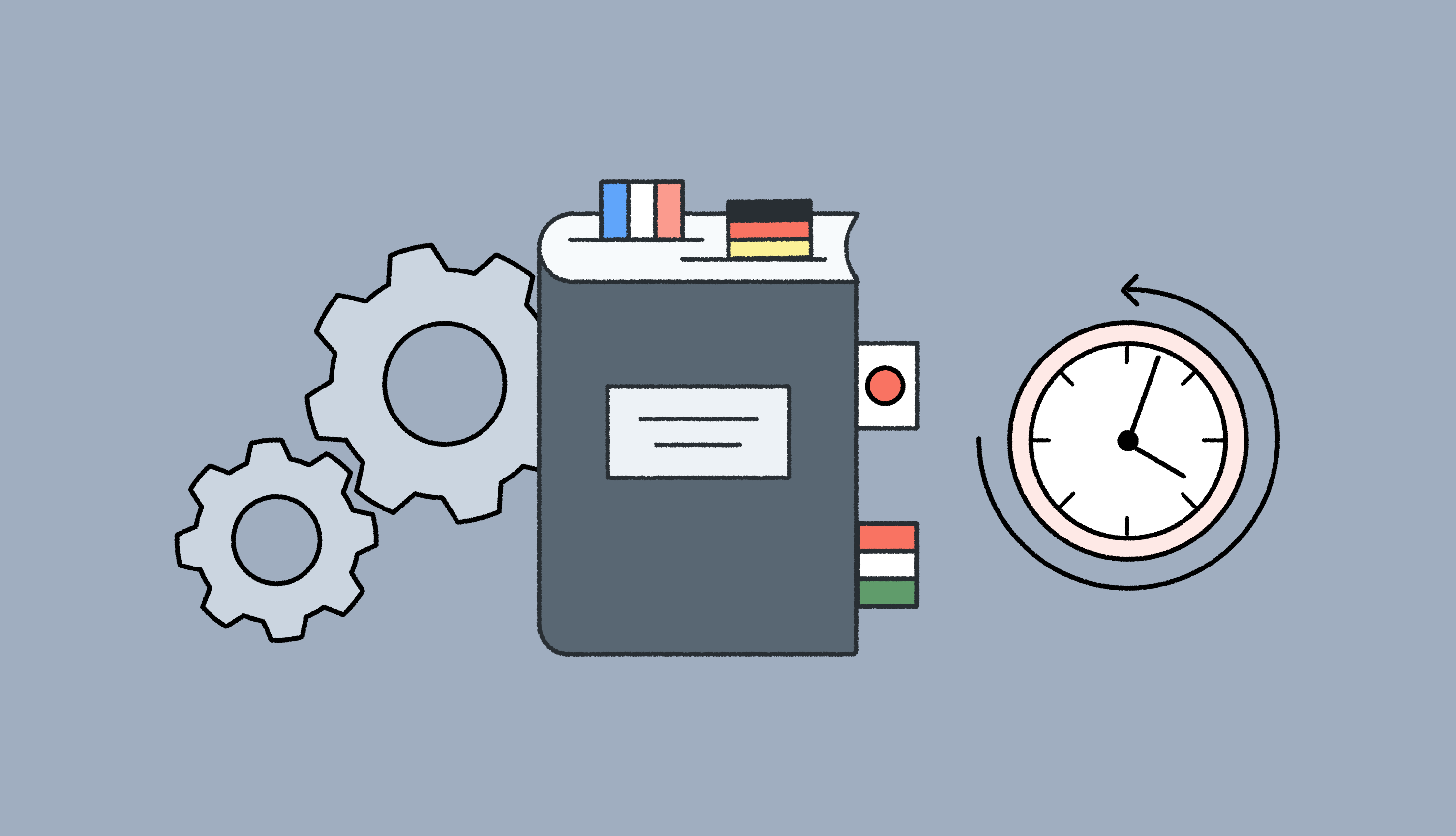
Every time you launch a new campaign, you have to translate everything across multiple languages — product UI, marketing pages, help docs, and more. Without translation memory, translators start from scratch every time — even for content they've already translated. You pay full rates again. Every team uses its own terminology again. And your localization process delays market entry. Translation memory (TM) software stores every translated string as a reusable segment in a d
Updated on February 20, 2026·Shreelekha Singh