7 Content Localization Tactics to Win Over Your Audience [+ Free Template]
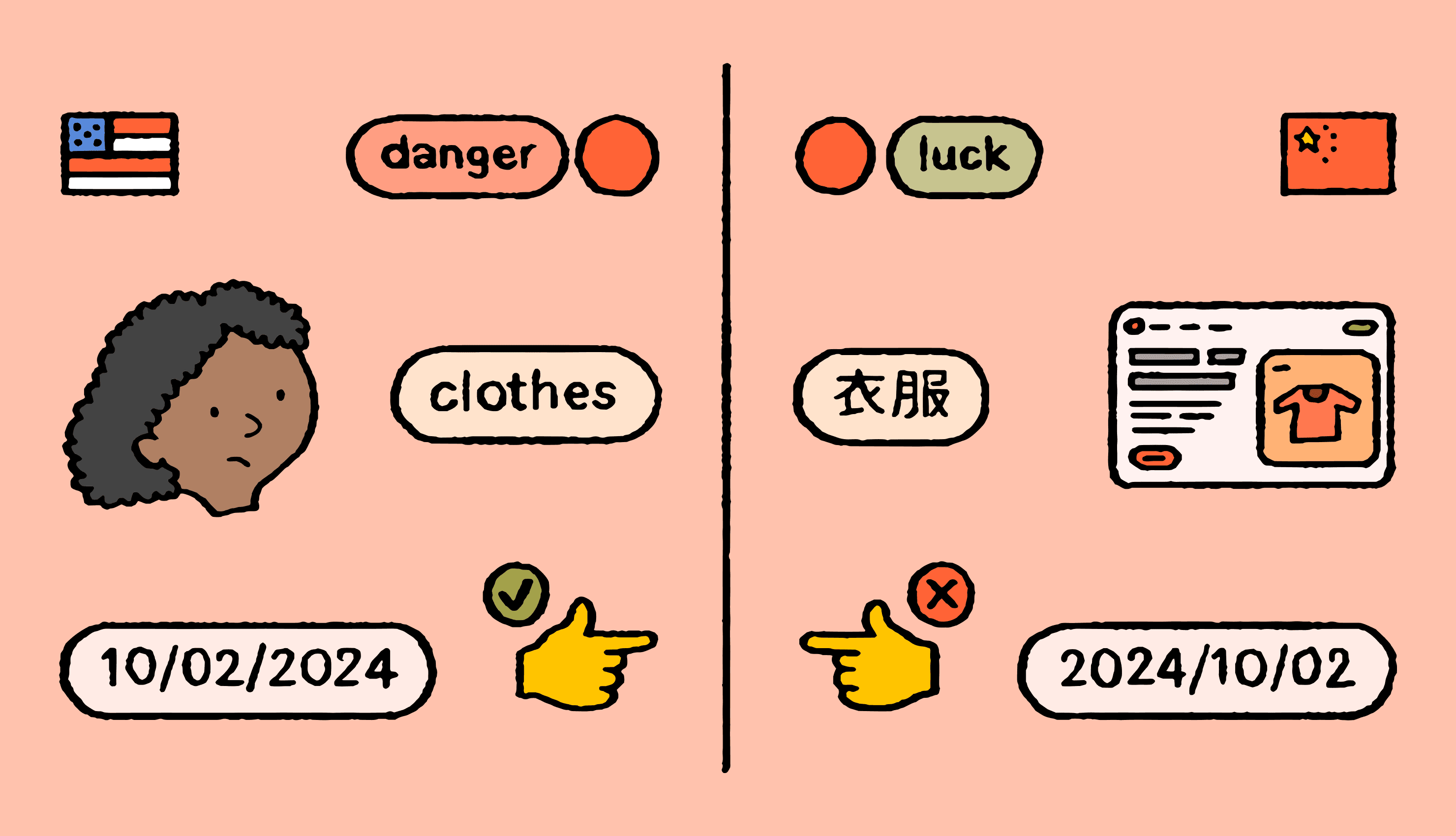
A potential customer in Tokyo sees your clever slogan. But it’s written in English for an Australian audience and makes zero sense to a Japanese person. The buyer — puzzled and unimpressed — browses your website for a few seconds before closing the tab. Another sale that slipped away from your hands. The culprit? Lack of content localization. Localized content means you speak your buyers’ language — whether that’s Chinese, Russian, Spanish, or something
Updated on June 24, 2025·Rachel Wolff Is DeepL Accurate? Translation Quality Reviewed
Back in 2018, TechCrunch praised DeepL for being more accurate and nuanced than other machine translation tools in the field. The article claimed that DeepL had outdone other tech giants and raised the bar for machine translation. Today, DeepL is one of the leading machine translation tec
Updated on February 8, 2024·Rachel Wolff What are language barriers and can you be a borderless business?
Breaking down language barriers is critical when entering new markets. When you do business with customers in their mother tongue, their perception of you changes. You become more credible. You reduce barriers to entry, improve customer experiences, and build brand trust. The outcome:
Updated on January 30, 2024·Rachel Wolff How to check the quality of localized content
Poor localization leads to a bad user experience, brand erosion, costly and embarrassing mistakes, and potential legal issues. Deprioritizing localization quality = deprioritizing customer experience. This should be the message you get across to other stakeholders when talking about the importance of localization quality assurance (LQA). Before explaining the best practices and how to do LQA to improve the quality of localized content, let’s
Updated on October 22, 2024·Rachel Wolff How to give AI translation tools more context: A developer's guide to deterministic l10n
You run a clean, well-structured string file through AI translation. The output is linguistically correct, but completely wrong for the UI. This is the context deficit problem. Without structured input about what a string is and where it lives, models default to general-purpose language patterns. The output looks coherent on its own, but breaks when placed in the interface. Most dev teams try to fix this problem by switching models or adjusting prompts. The translation
Updated on April 21, 2026·Rachel Wolff New in November: break language barriers. Build efficiencies. Here’s how.
Sometimes even the smallest changes can make a big difference. They serve as a reminder that breaking down barriers and building efficiencies don't always require big transformations. So, without further ado, let’s dive into this month’s updates and learn how you can use these new tools and tricks to change your localization process in a big way. Product updates Translate 4x more content with AI
Updated on November 23, 2023·Rachel Wolff How to create a style guide for human and AI translators
When companies expand into new territories, style guides are one of the many tools that can make sure translated content is consistent, on-brand, and sensitive to local cultures and norms. It's used to define the tone, the formality, the grammar, and other stylistic preferences when targeting different audiences. Understanding what is AI translation can also play a key role in ensuring th
Updated on July 18, 2024·Rachel Wolff AI security: is my translation data safe?
AI-powered tools all share one characteristic: They are powered by large language models (LLMs) like OpenAI and Anthropic. Naturally, this has led to many of our customers questioning the security of their data in Lokalise AI. In a recent
Updated on August 29, 2024·Rachel Wolff