Advanced Django internationalization
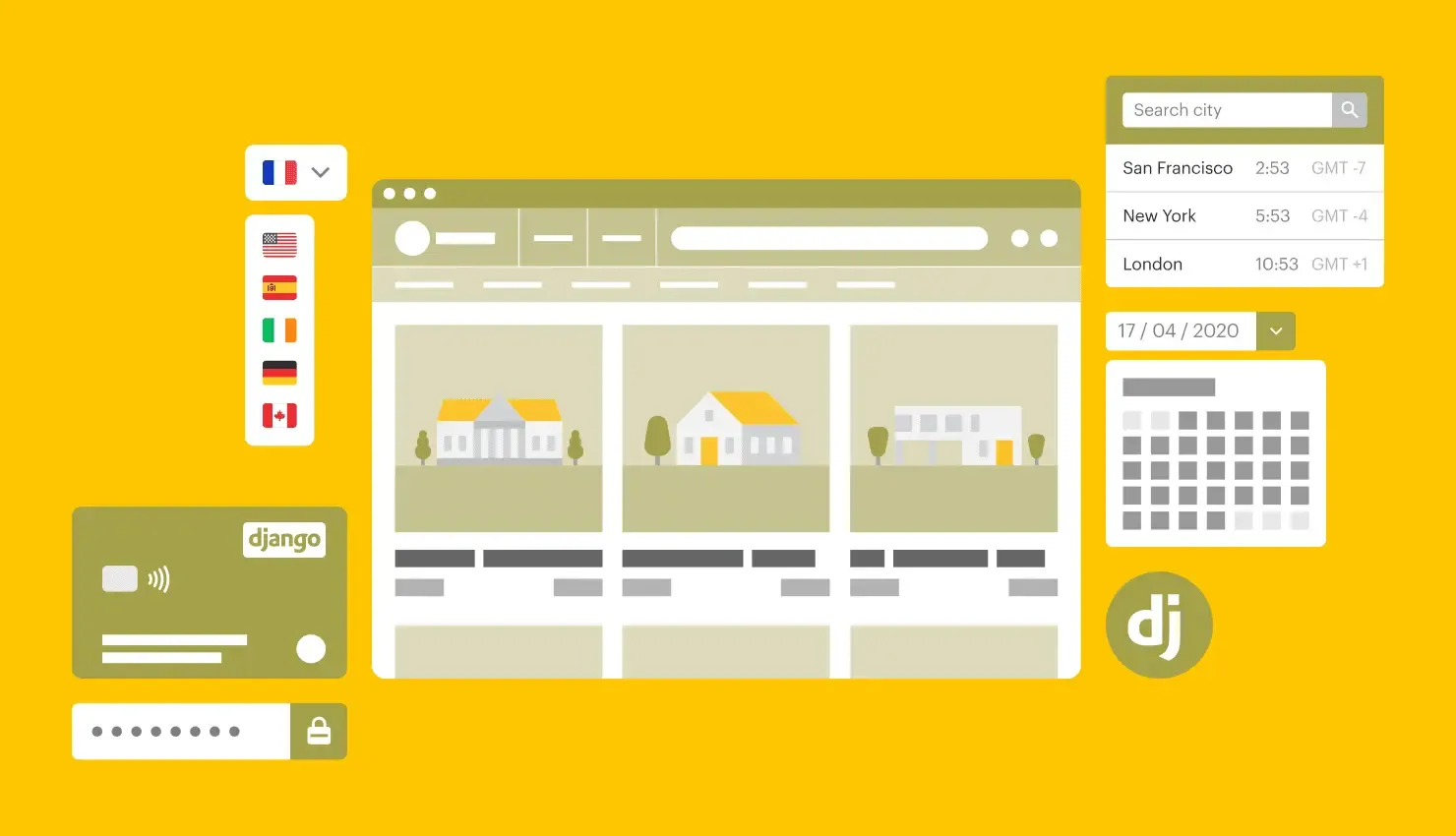
Previously, we explored the basics of how the Django framework supports internationalization. Now, it’s time to take a deeper dive into advanced Django internationalization. In this guide, we’ll cover practical techniques such as pluralization, context-aware translations, dynamic language switching, localizing dates and times, and handling RTL languages like Hebrew. By masterin
Updated on December 16, 2024·Ilya Krukowski How to test ruby gem: step by step tutorial with rspec example
In the previous part of this series we learned the basics of creating a Ruby i18n We created an initial directory structure, defined a gemspec, installed dependencies, and started to write the actual code. Today, we are going to continue creating the Ruby gem and, specifically, we will take care of the testing suite essential for
Updated on November 9, 2022·Ilya Krukowski How to create a Ruby Gem: The basics explained with examples
In this series of tutorials, we will discuss all aspects of how to create a Ruby gem (gem is just a fancy word for "library" or "plugin"). In this section we will make the initial preparations, create the project structure, define the gemspec, and proceed to writing the actual gem example. This gem will play a crucial role in software internationalization by facilitating seamless i
Updated on October 2, 2024·Ilya Krukowski Translation key naming conventions: 11 best practices for developers
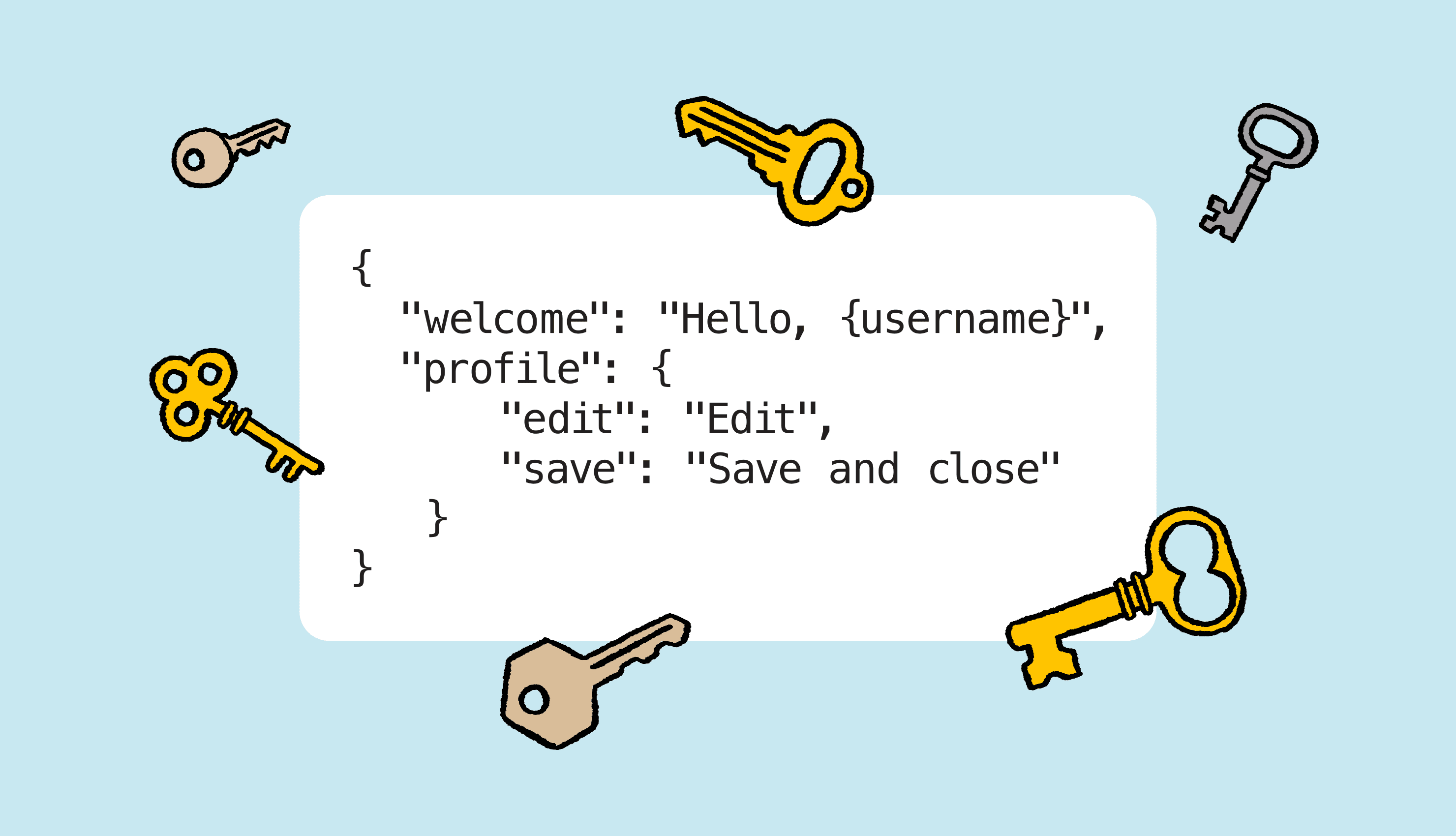
You already know that translating your app is important, and you're familiar with the general localization process. But as the saying goes, "the devil is in the details", and one crucial detail that often gets overlooked is how you manage translation keys. Poor key naming creates i18n debt—a growing maintenance burden that slows every future localization update. That’s why
Updated on March 20, 2026·Ilya Krukowski How to incorporate machine translation into your localization workflow
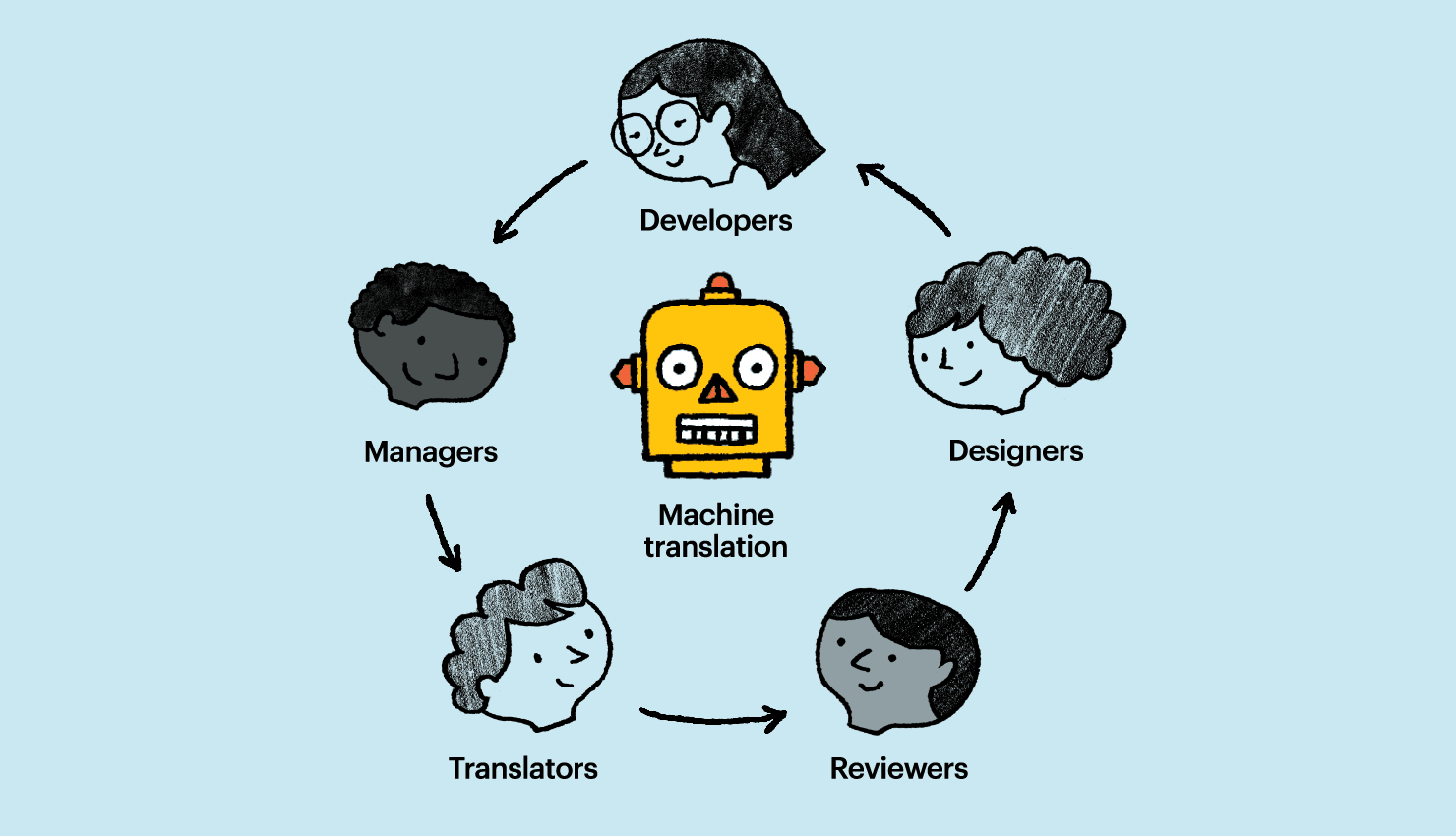
Localization involves many moving parts, with contributions from designers, developers, marketers, and translators. But it's machine translation (MT) that can speed your translation times from source language to target language and help your team deploy more quickly. Incorporating machine translation into your translation process is fairly easy — here's what you need to know and the tools you need to make it happen seamlessly. What is machine translation? Essentially, machine
Updated on October 11, 2022·Alexander Pereverzevs Multilingual UX & UI design best practices in Adobe XD
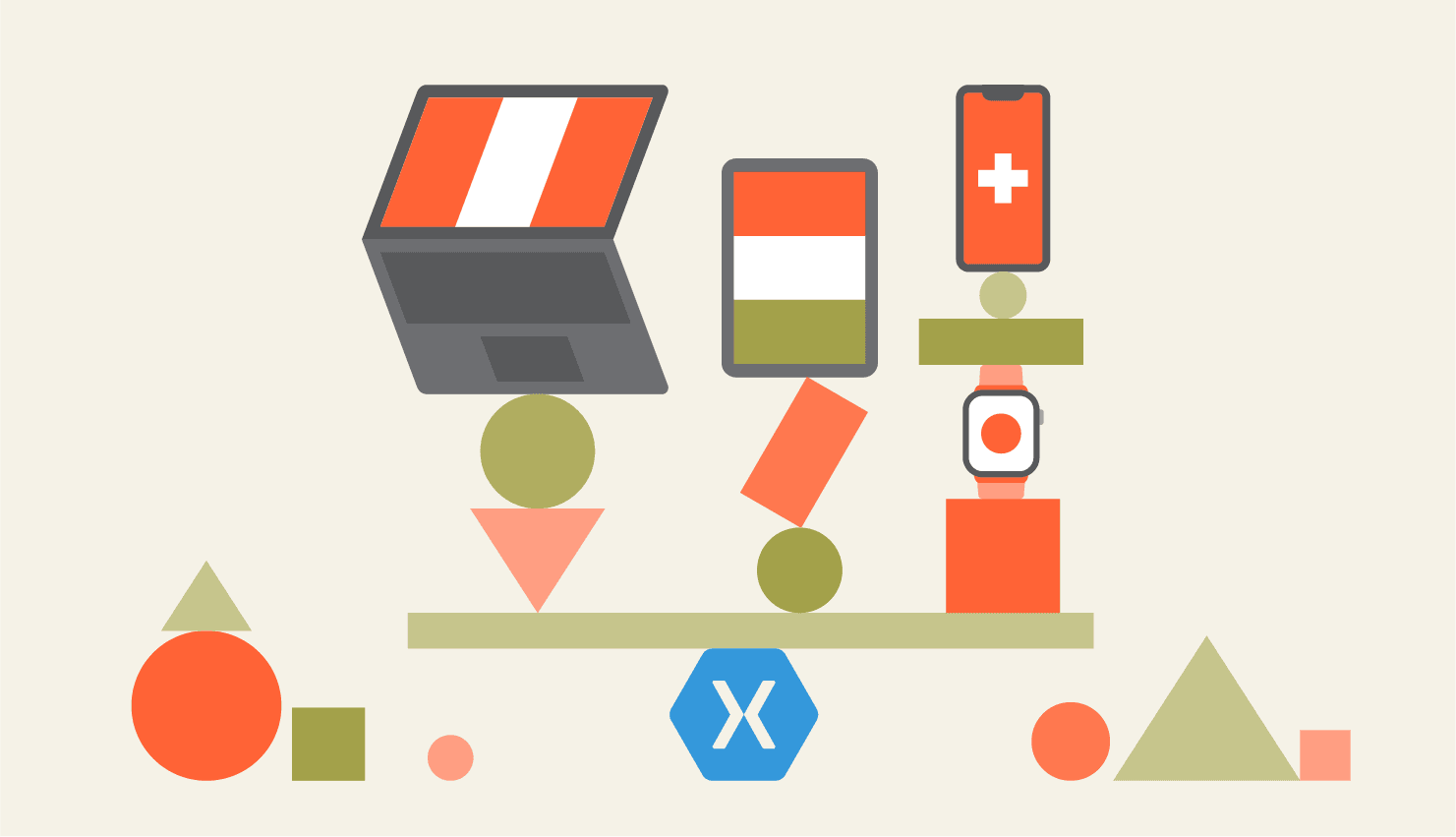
Launching your first international app is an exciting but nerve-racking time, there are so many questions and unknowns. Fortunately, many of these questions and potential user issues can be addressed…
Updated on March 11, 2023·Alexander Pereverzevs Build an arcade machine at home: Step-by-step guide
Sometimes it’s a good idea to let your brain cool off from the day-to-day work (which in my case is building the best translation management software in the world). What could be better than building and playing an arcade machine? With software internationalization
Updated on July 6, 2023·Nick Ustinov Svelte i18n Internationalization: how to localize a Svelte app
Internationalizing a Svelte app (aka Svelte i18n) is key to reaching a global audience. This guide walks you through making your app multilingual using the Paraglide library, setting up efficient language management, and streamlining translations. The source code for this article can be found on GitHub.
Updated on November 4, 2024·Ilya Krukowski