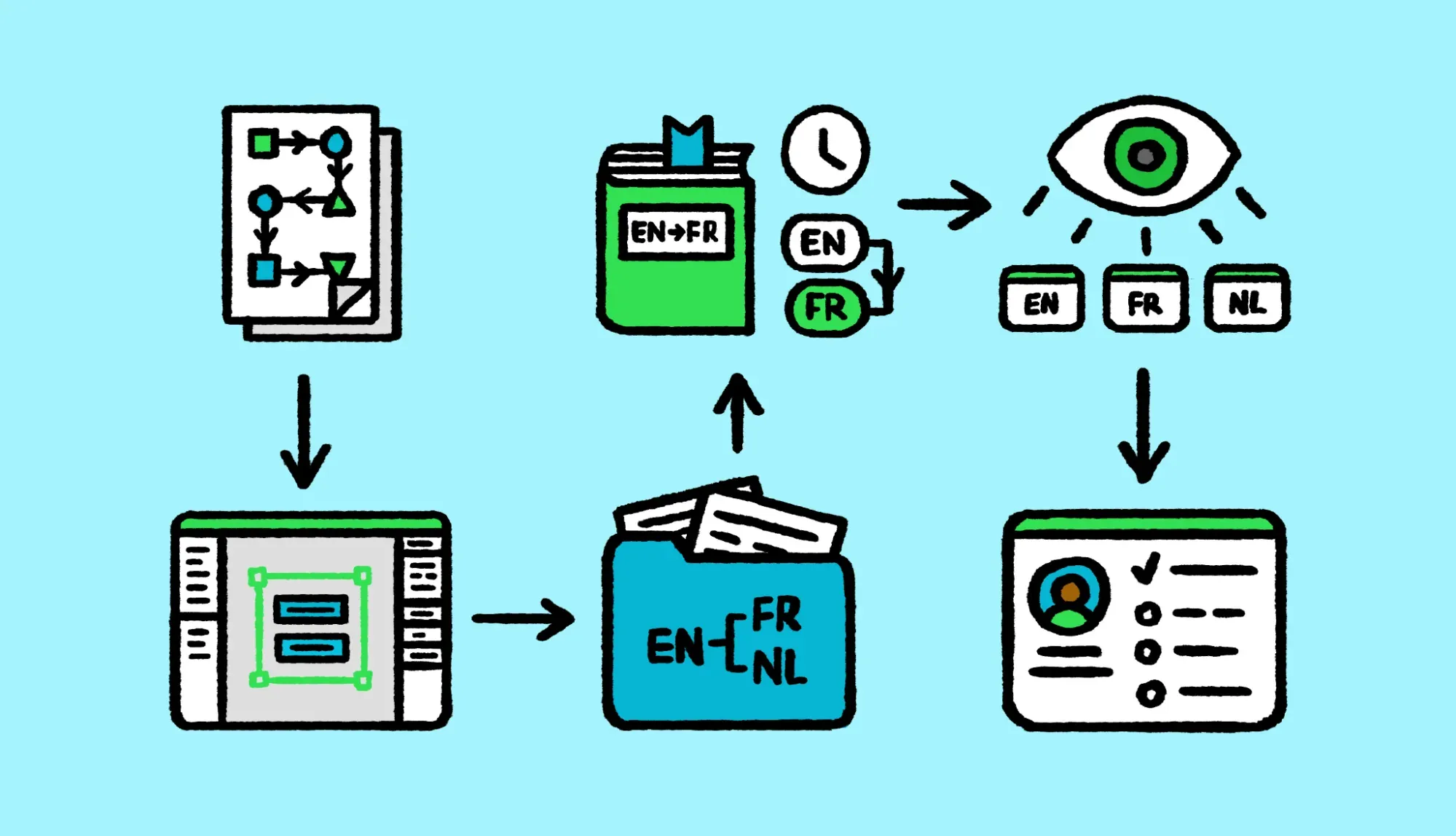
9 steps for building a bulletproof localization process
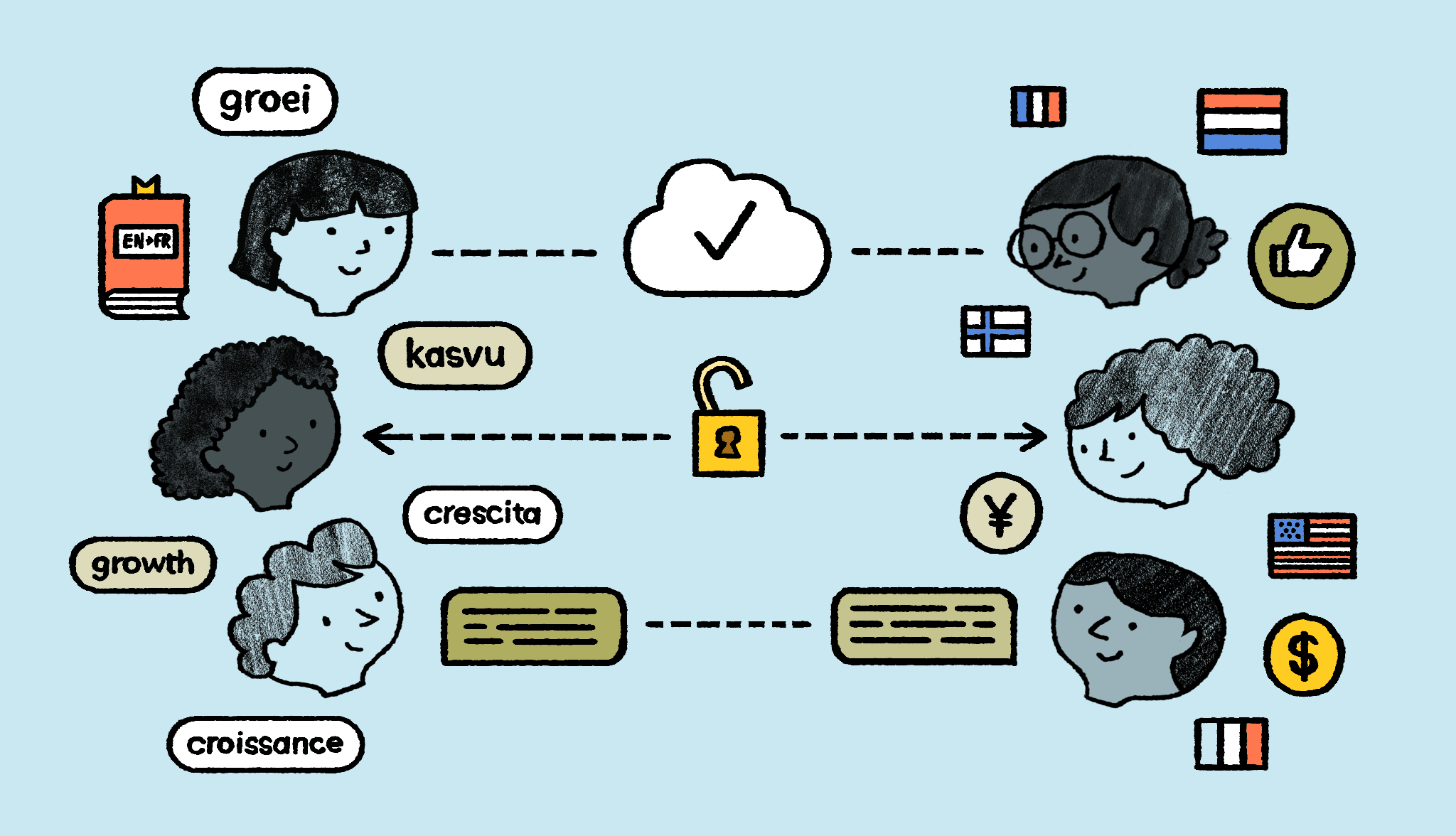
Want to launch new products in international markets as fast as possible? Then you need a rock-solid localization management. Localization involves much more than just changing copy from one language to another. Depending on the size of your company, it can be a compl
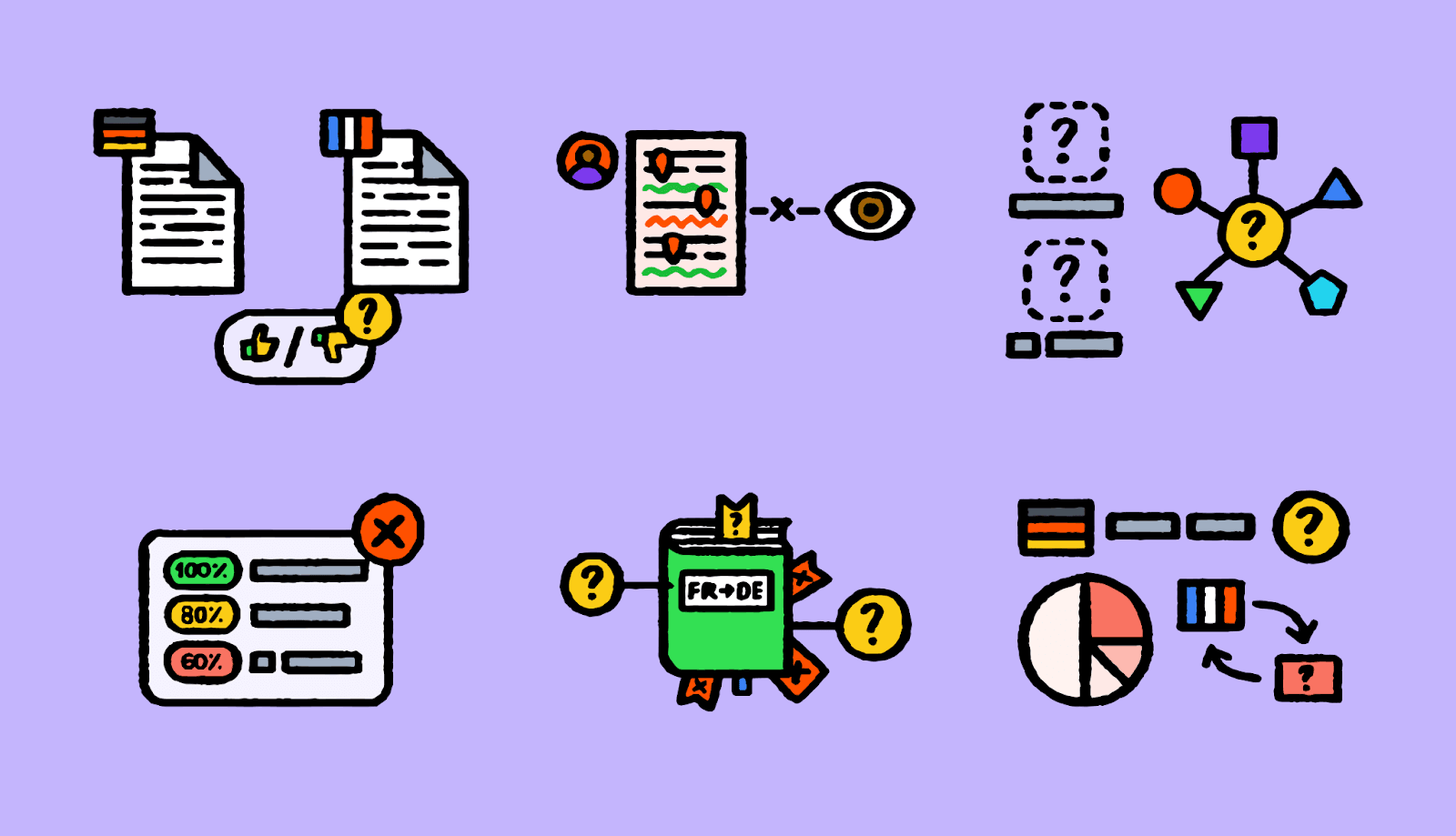
Updated on May 18, 2025·Ross Weldon What is linguistic quality assurance (LQA) and how to create a process
Poor translations = bad user experience, brand erosion, costly/embarrassing mistakes, and potential legal issues. This is why linguistic quality assurance (LQA) is so important. It’s a system of processes that ensures your translated content is error-free. But what does an LQA process look like and how do you create one? What tools can you use to facilitate this process? Before we continue, let’s explain what LQA is and why it matters.<
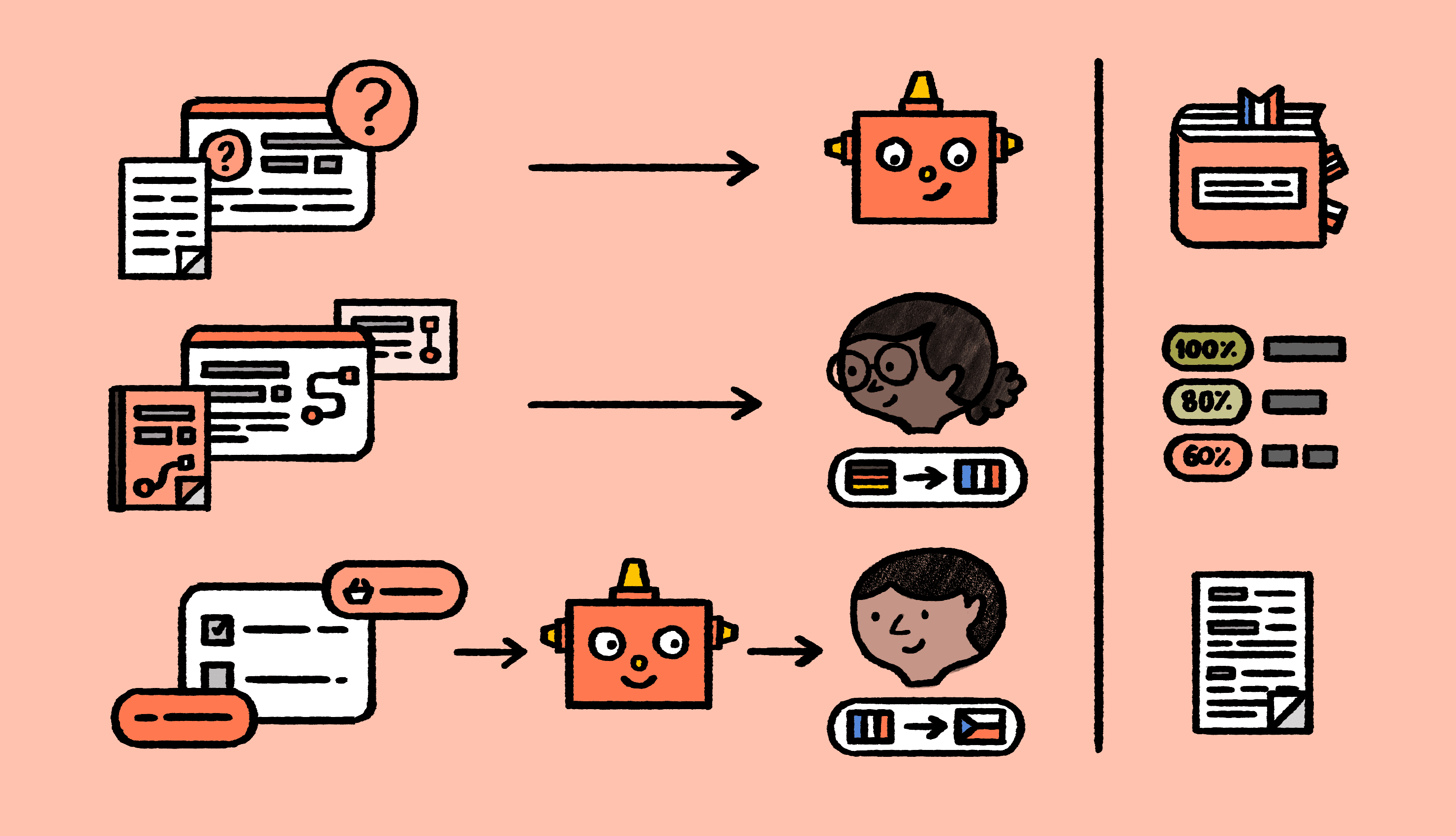
Updated on February 4, 2026·Valentyna Kozlova Translation review best practices: How to build a quality process
When it comes to delivering a great multilingual experience, translation quality assurance is everything. But even the best translations can miss the mark without a proper translation review system in place. It’s not just about spotting typos—it’s about making sure the message hits home, stays true to your brand, and resonates with your target audience. “
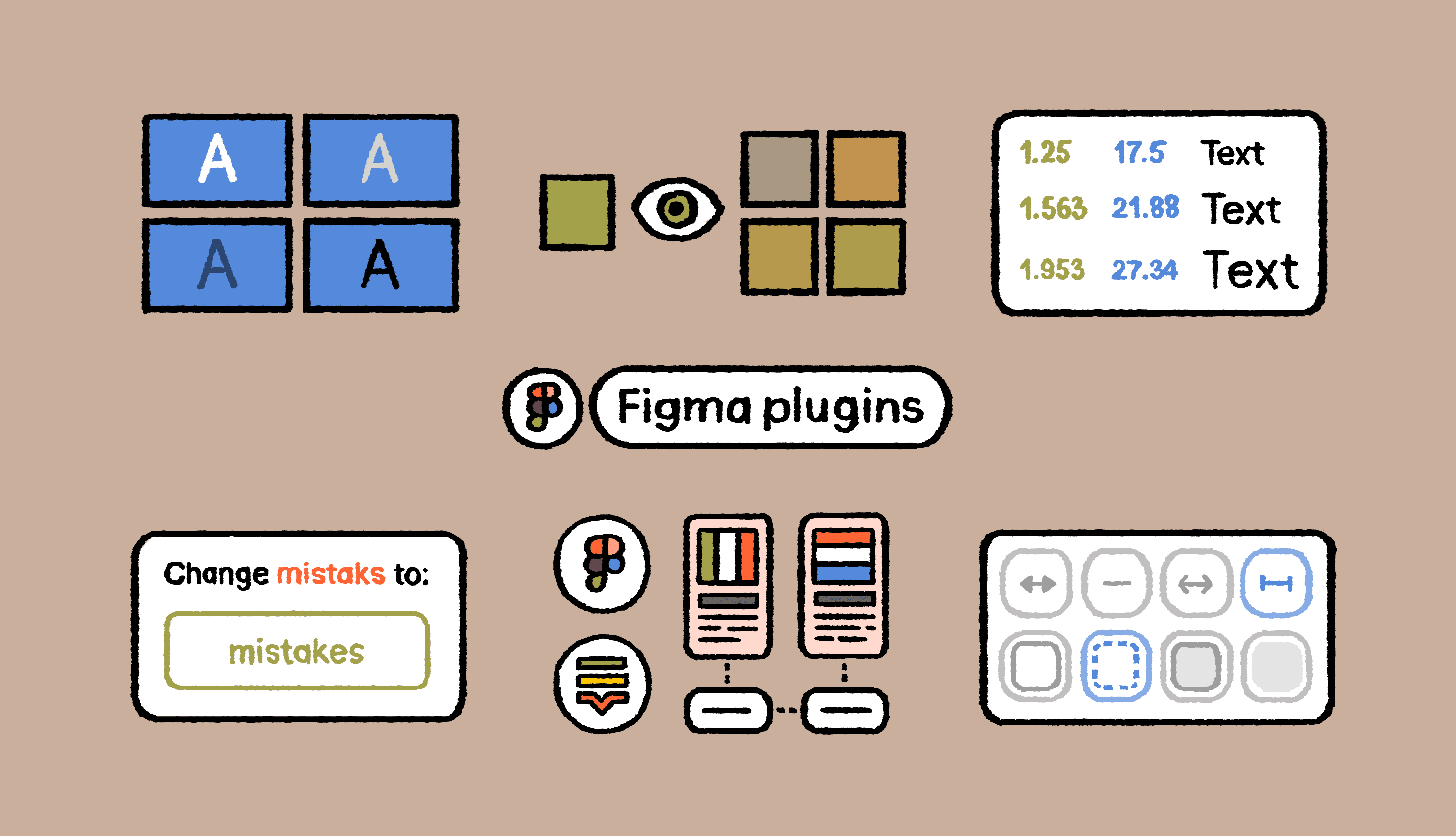
Updated on October 22, 2024·Valentyna Kozlova Top 9 Figma accessibility plugins to ensure inclusive design
Great design is accessible to everyone. It’s representative and inclusive for customers who come from different cultures, speak different languages, and have different needs which impact their ability to use your product. Incorporating software internationalization practices alongside accessibility in your design process ensures that your product is usable not just by pe
Updated on September 10, 2024·Anatolijs Vjalihs Translation services: a comprehensive overview
A good translation understanding what is translation and its true impact, will drive your business growth, allowing you to promote your products, provide customer service, and tap into completely new markets. A poor translation, on the other hand, will delay international product launches, damage your brand reputation and increase the risk of
Updated on August 29, 2024·Agnese Kalnina Translation and localization: what's the difference?
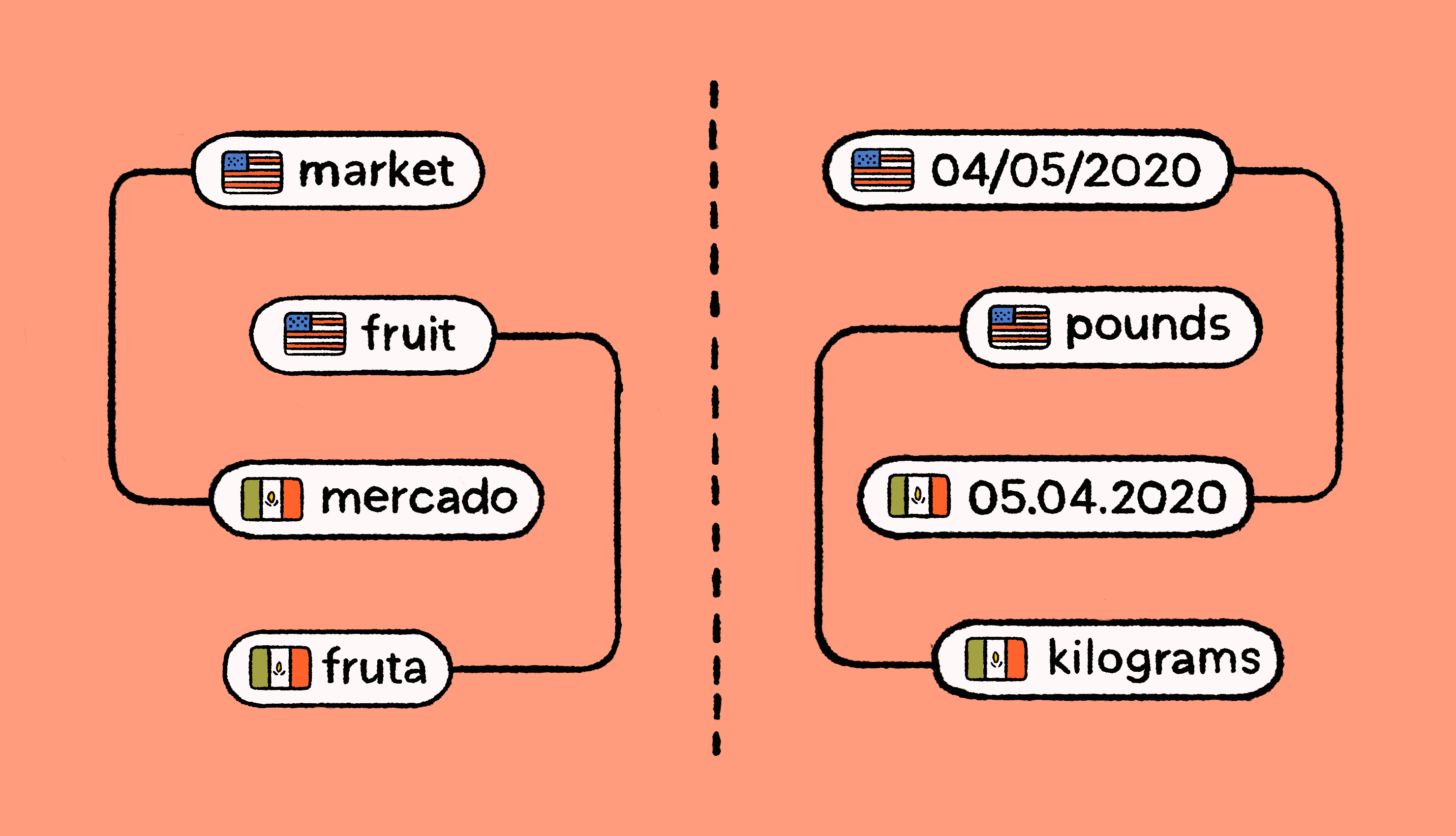
People who work in the localization and translation industry use loads of jargon and abbreviations. Things like: Localization = l10n But spend some time talking to people from outside the localization industry, and you’ll often see localization being used interchangeably with translation. Those who are practitioners know that these two processes differ, and they know exactly how. To show you the difference
Updated on September 4, 2024·Gita Timofejeva [EBOOK] The complete guide to design-stage localization
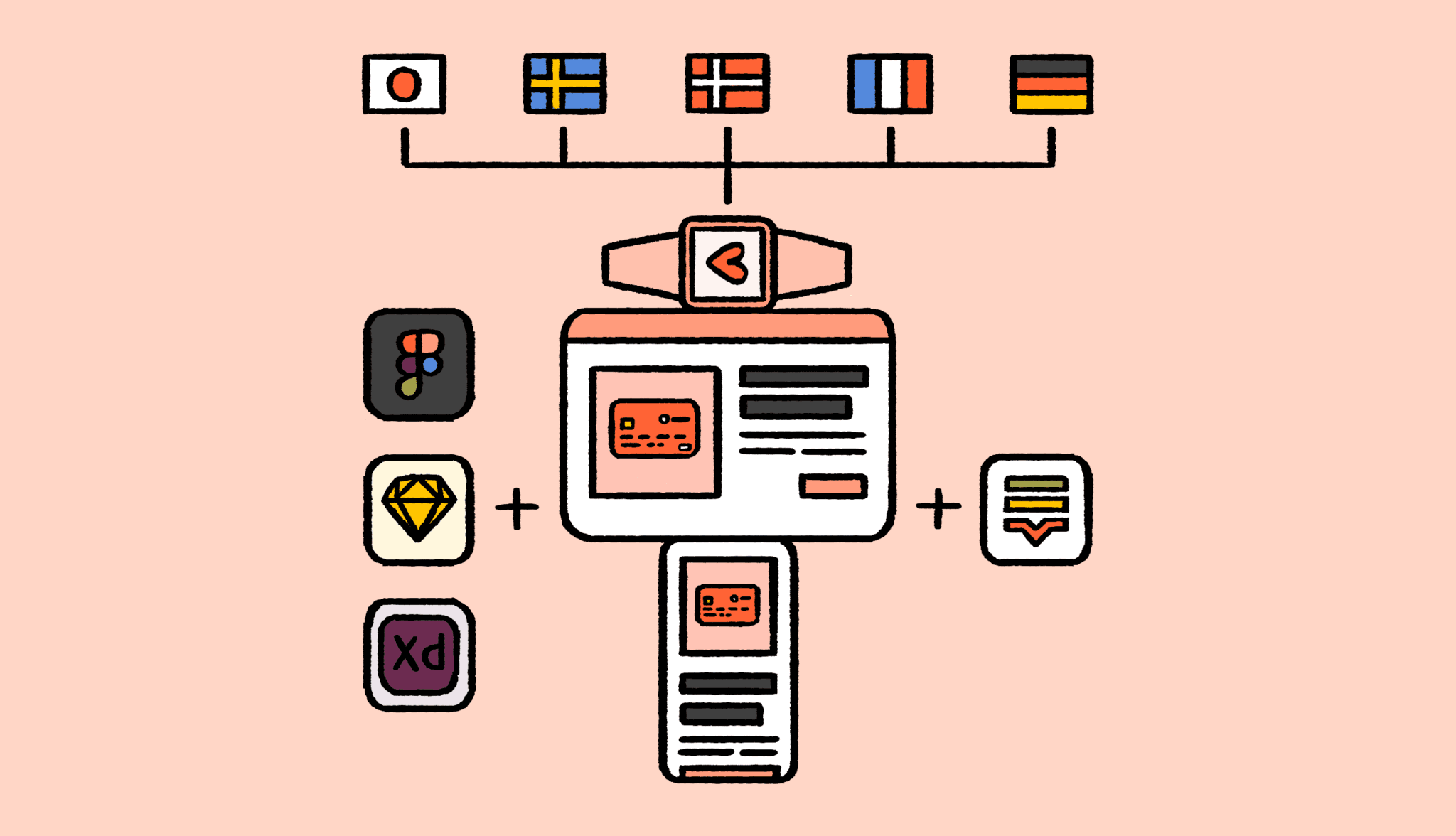
When you talk to fast-growing companies that are agile and rely on continuous development to some degree, you’ll quickly realize that most haven’t maintained processes and technologies to integrate localization into their product development workflow. As a UX writer, designer, developer, product manager, marketer, or linguist, do you know how you can align as a team and build a unified localization workflow that starts at the design stage? Incorporati
Updated on September 16, 2022·Stefanos Bournias Localization glossary: How to use it when translating to save time
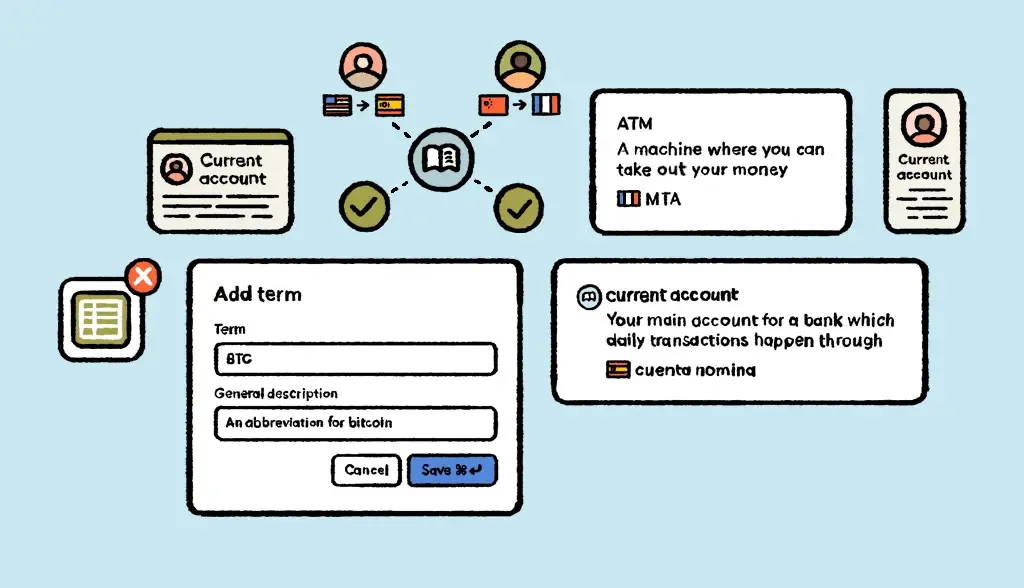
Each industry has its own jargon and terminology. And each company has brand-specific phrases, non-translatable terms, and abbreviations. When you work with translators who are from outside your field, a glossary is a key component of the language assets you will need to build to keep your translations consistent—a fundamental part of effective localization management. In this shor
Updated on May 18, 2025·Jess Evans