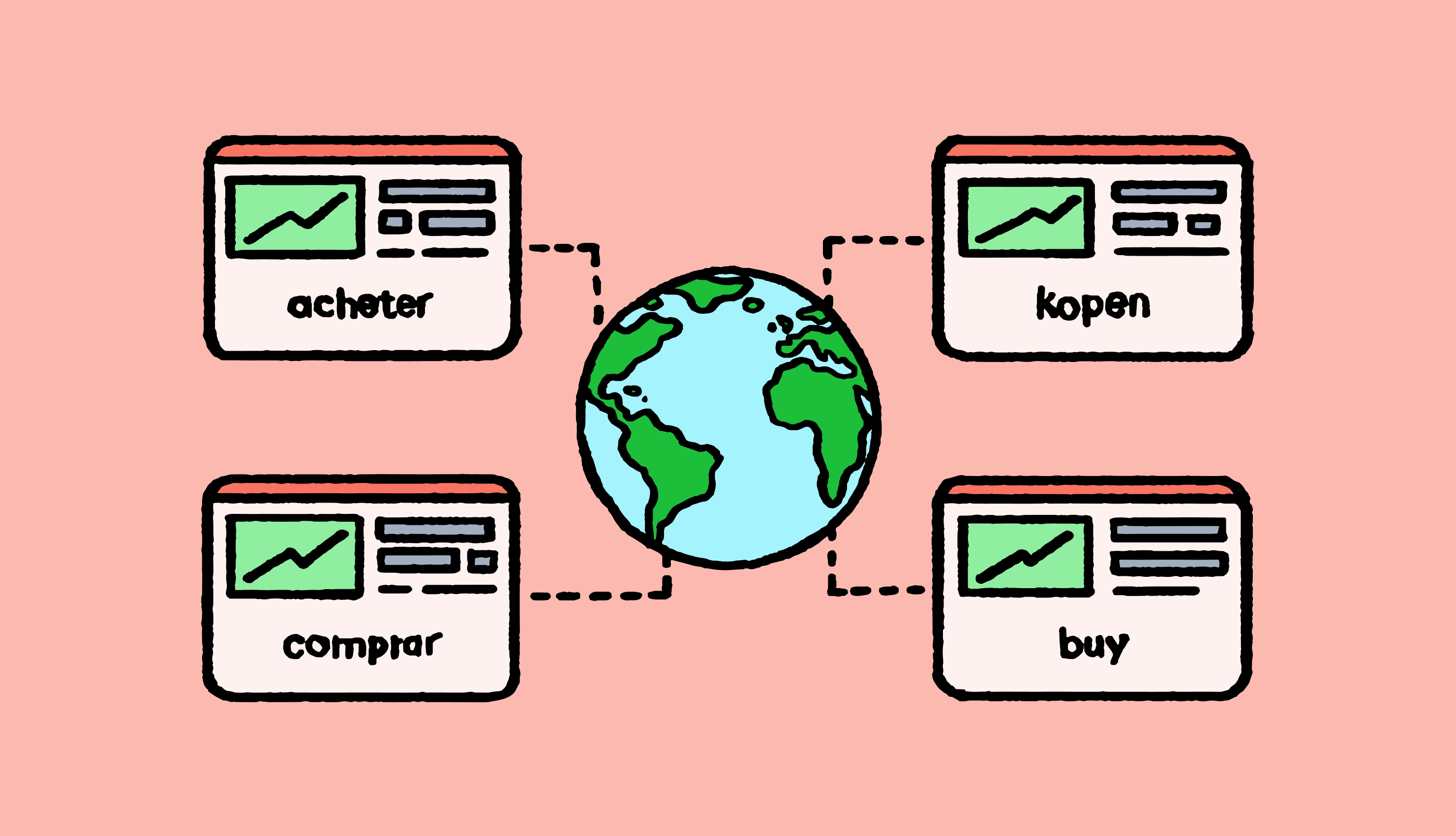
What is Localization (also known as l10n)?
Localization (or l10n for those in the know) is the term used to describe how businesses adapt products, content, and services for different markets, so they feel truly made to fit.

This pillar covers the essential operational and linguistic foundations required for high-quality global content. Articles focus on Translation Management System (TMS) utilization, Linguistic Quality Assurance (LQA), vendor management, and team collaboration. Learn how to optimize your project management flow, maintain terminology standards across teams, and reduce costly rework cycles. This is the resource for Localization Managers and Project Managers.
Localization (or l10n for those in the know) is the term used to describe how businesses adapt products, content, and services for different markets, so they feel truly made to fit.
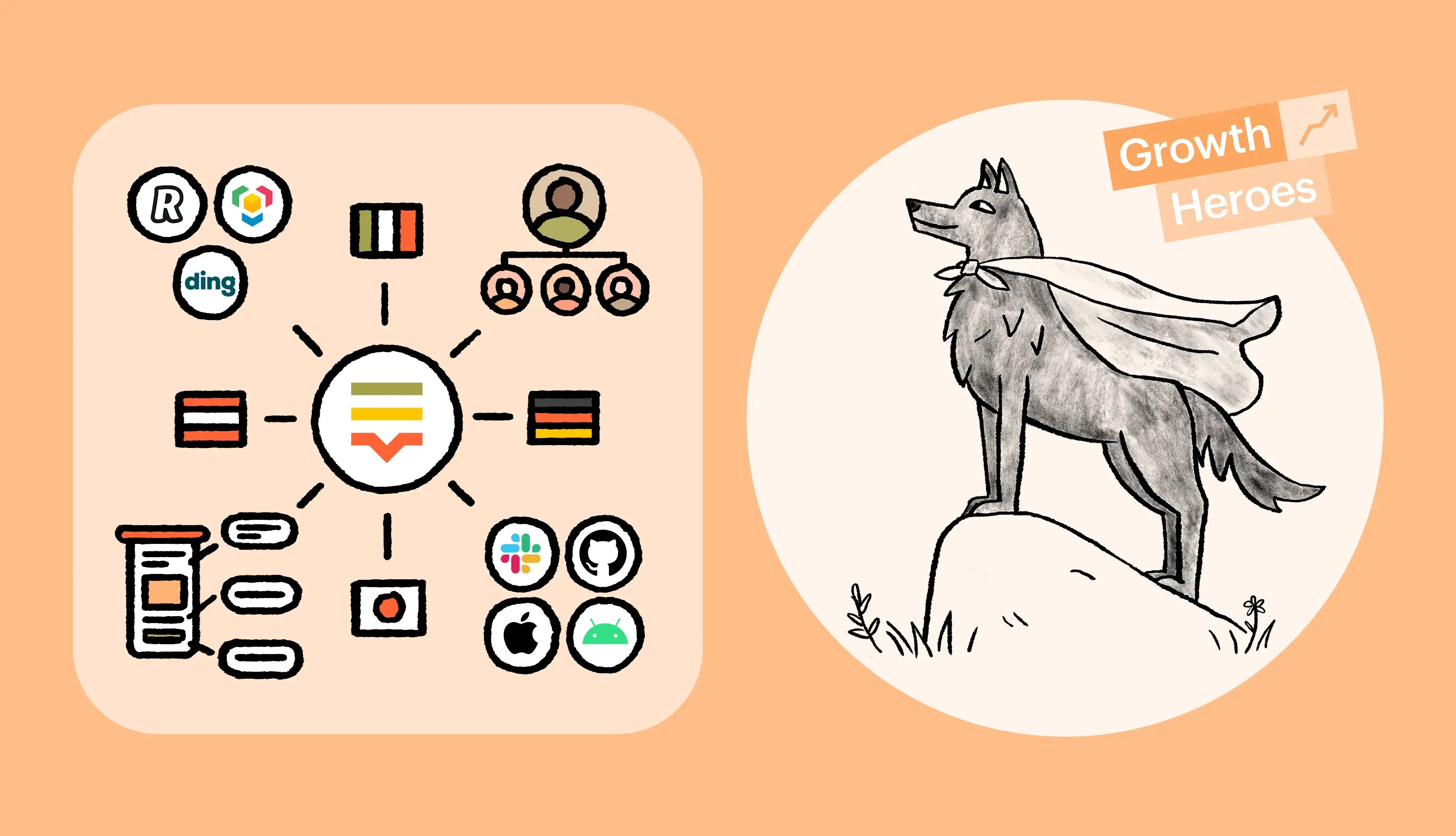
The world’s top 10 SaaS companies localize their platforms into 17 different languages on average. Companies that invest in new languages grow. And companies that grow invest in new languages: Businesses that use localization services earn

Ask any product manager or CTO at a fast-growing tech company and they’ll tell you exactly how important their developers are to their company’s success. Yet in today’s ultra-competitive employer market, attracting the right DevOps talent is no easy task. And once you’ve got a gifted developer on board, you want to do everything you can to keep them happy, so they keep growing alongside your company and its products. That’s why some of the most ambitious scale-ups around are now selecti
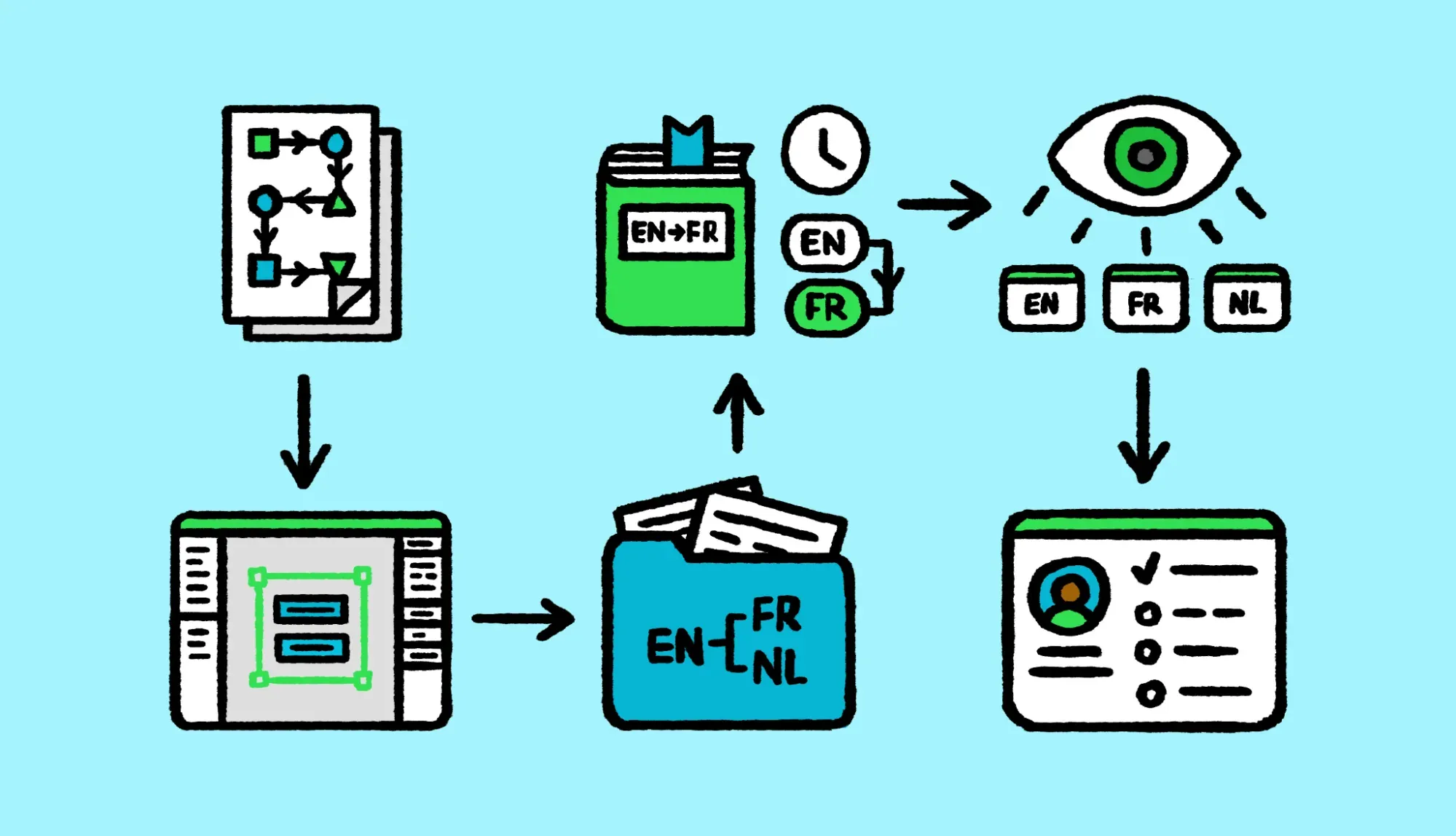
Want to launch new products in international markets as fast as possible? Then you need a rock-solid localization management. Localization involves much more than just changing copy from one language to another. Depending on the size of your company, it can be a compl
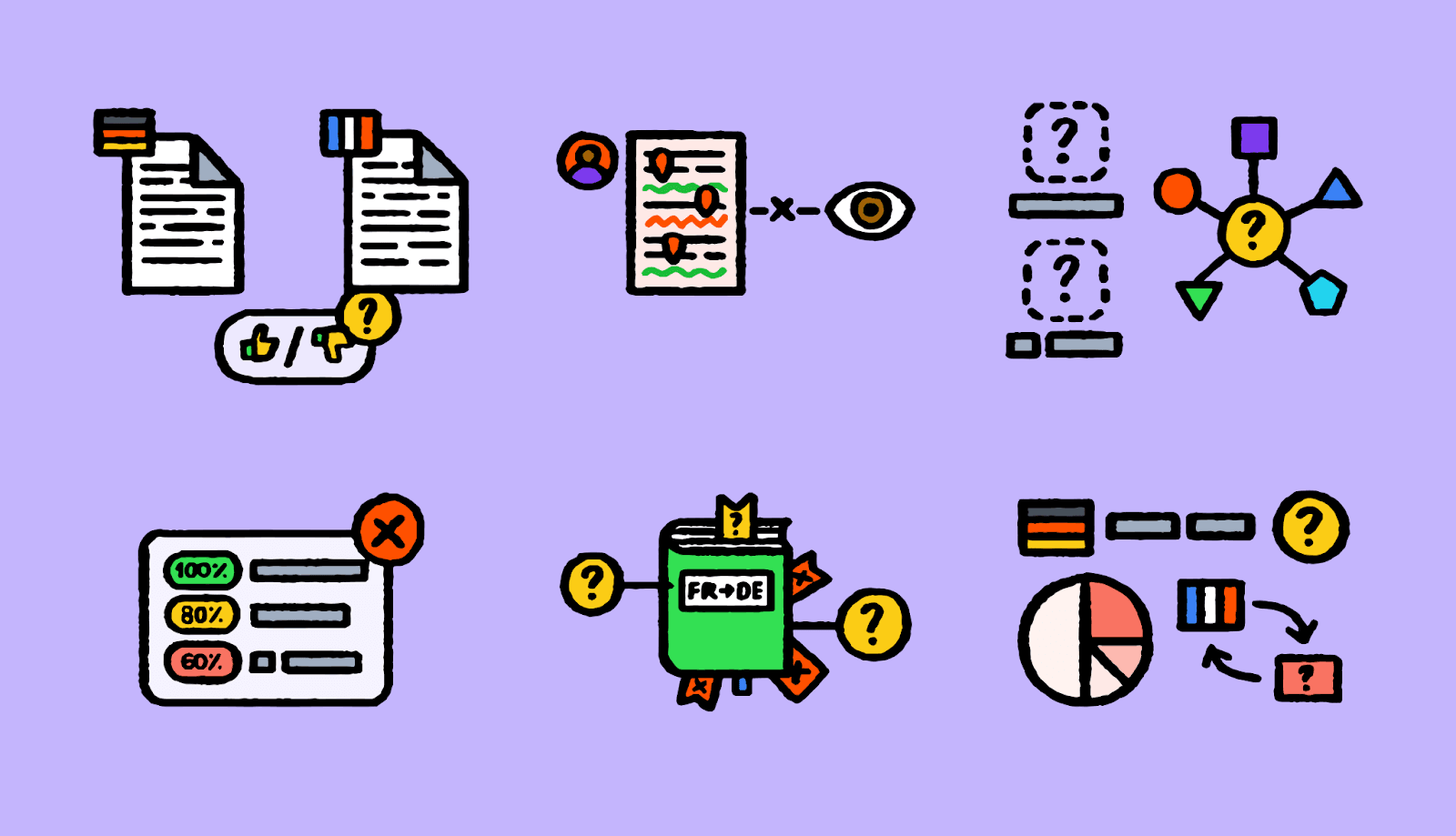
Poor translations = bad user experience, brand erosion, costly/embarrassing mistakes, and potential legal issues. This is why linguistic quality assurance (LQA) is so important. It’s a system of processes that ensures your translated content is error-free. But what does an LQA process look like and how do you create one? What tools can you use to facilitate this process? Before we continue, let’s explain what LQA is and why it matters.<
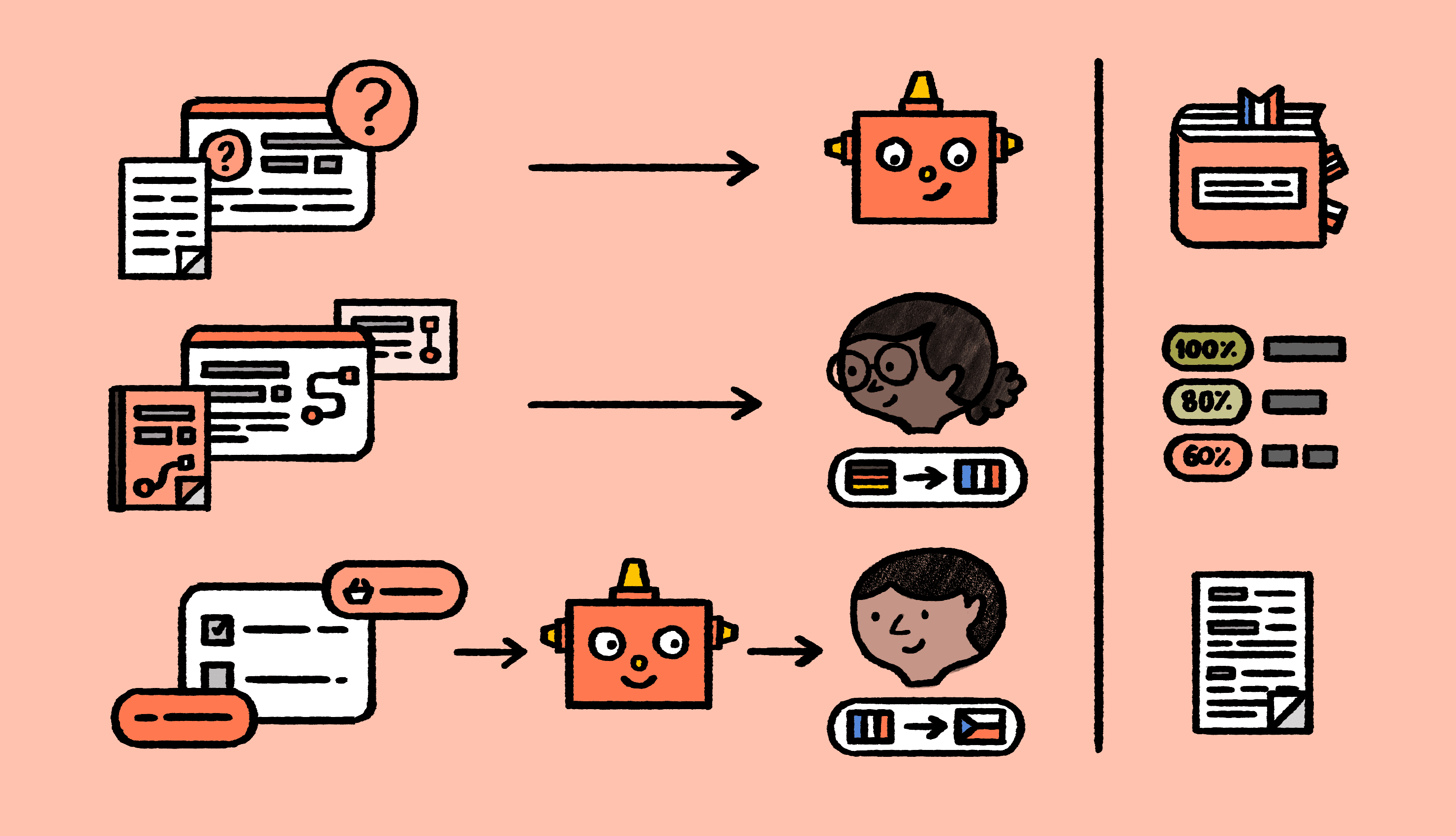
When it comes to delivering a great multilingual experience, translation quality assurance is everything. But even the best translations can miss the mark without a proper translation review system in place. It’s not just about spotting typos—it’s about making sure the message hits home, stays true to your brand, and resonates with your target audience. “
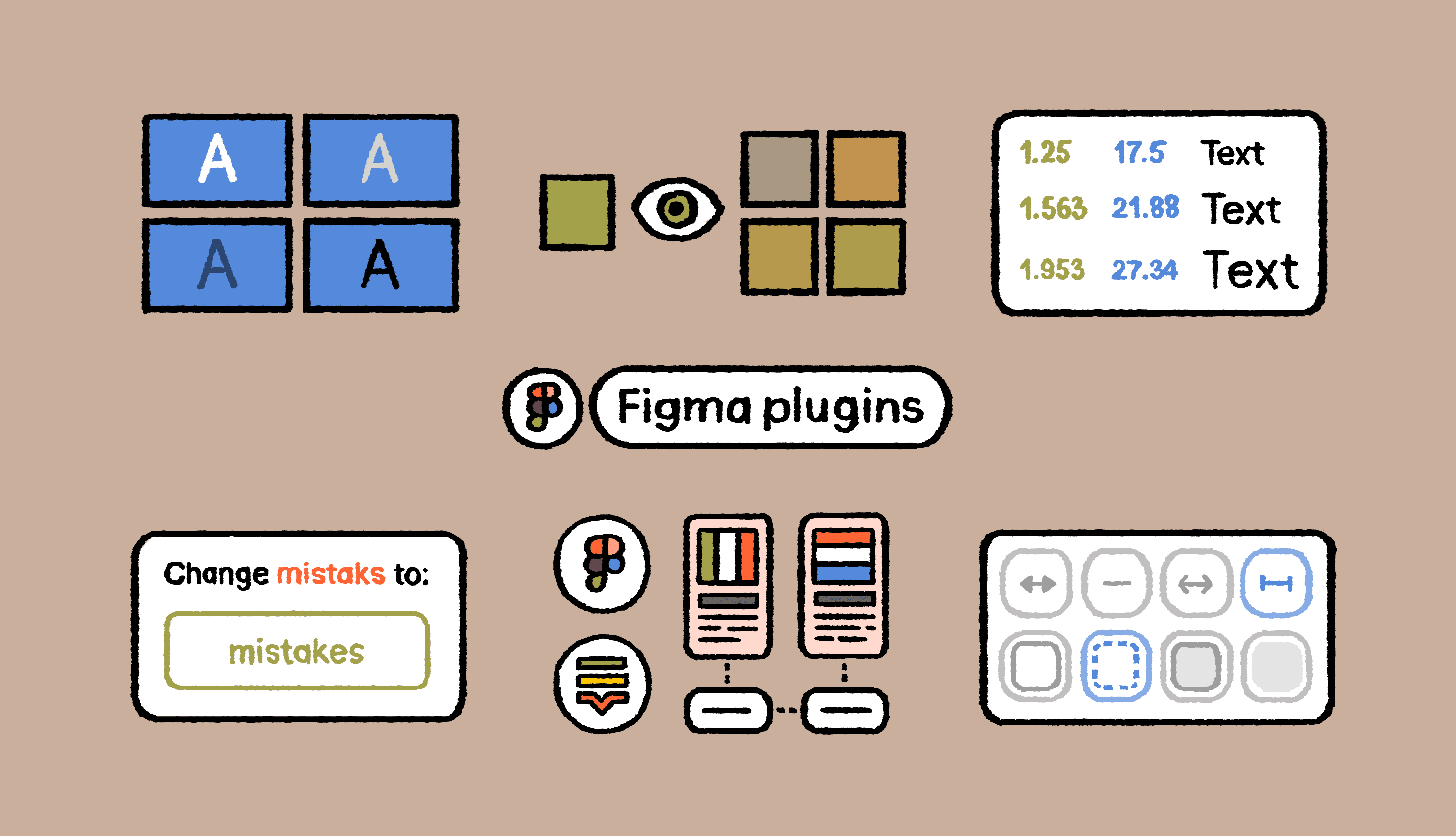
Great design is accessible to everyone. It’s representative and inclusive for customers who come from different cultures, speak different languages, and have different needs which impact their ability to use your product. Incorporating software internationalization practices alongside accessibility in your design process ensures that your product is usable not just by pe
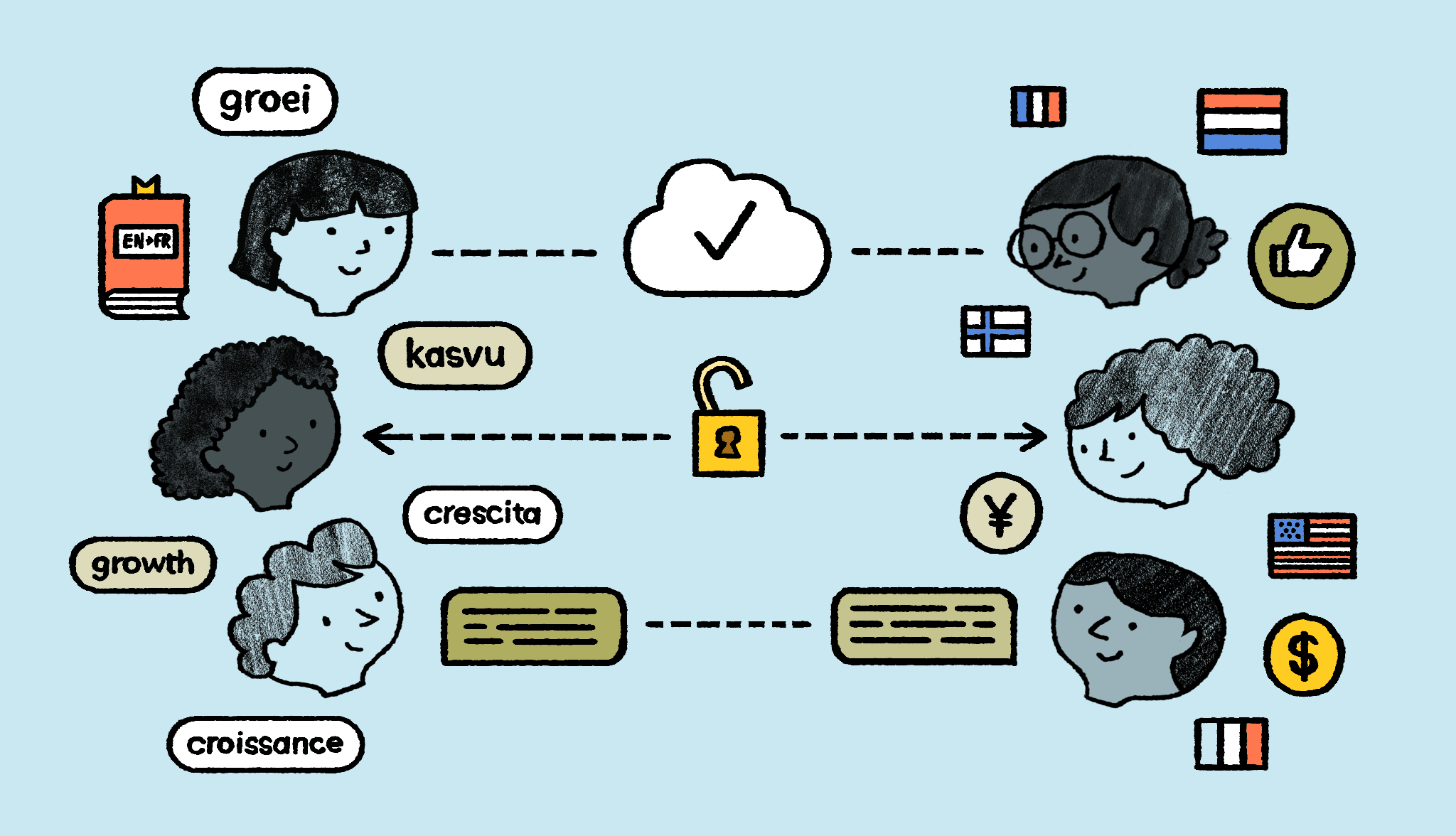
A good translation understanding what is translation and its true impact, will drive your business growth, allowing you to promote your products, provide customer service, and tap into completely new markets. A poor translation, on the other hand, will delay international product launches, damage your brand reputation and increase the risk of








Behind the scenes of localization with one of Europe’s leading digital health providers
Read more Case studies



Localization workflow for your web and mobile apps, games and digital content.
©2017-2026
All Rights Reserved.
