

ChatGPT vs. a localization platform: Which translation solution is right for your business?
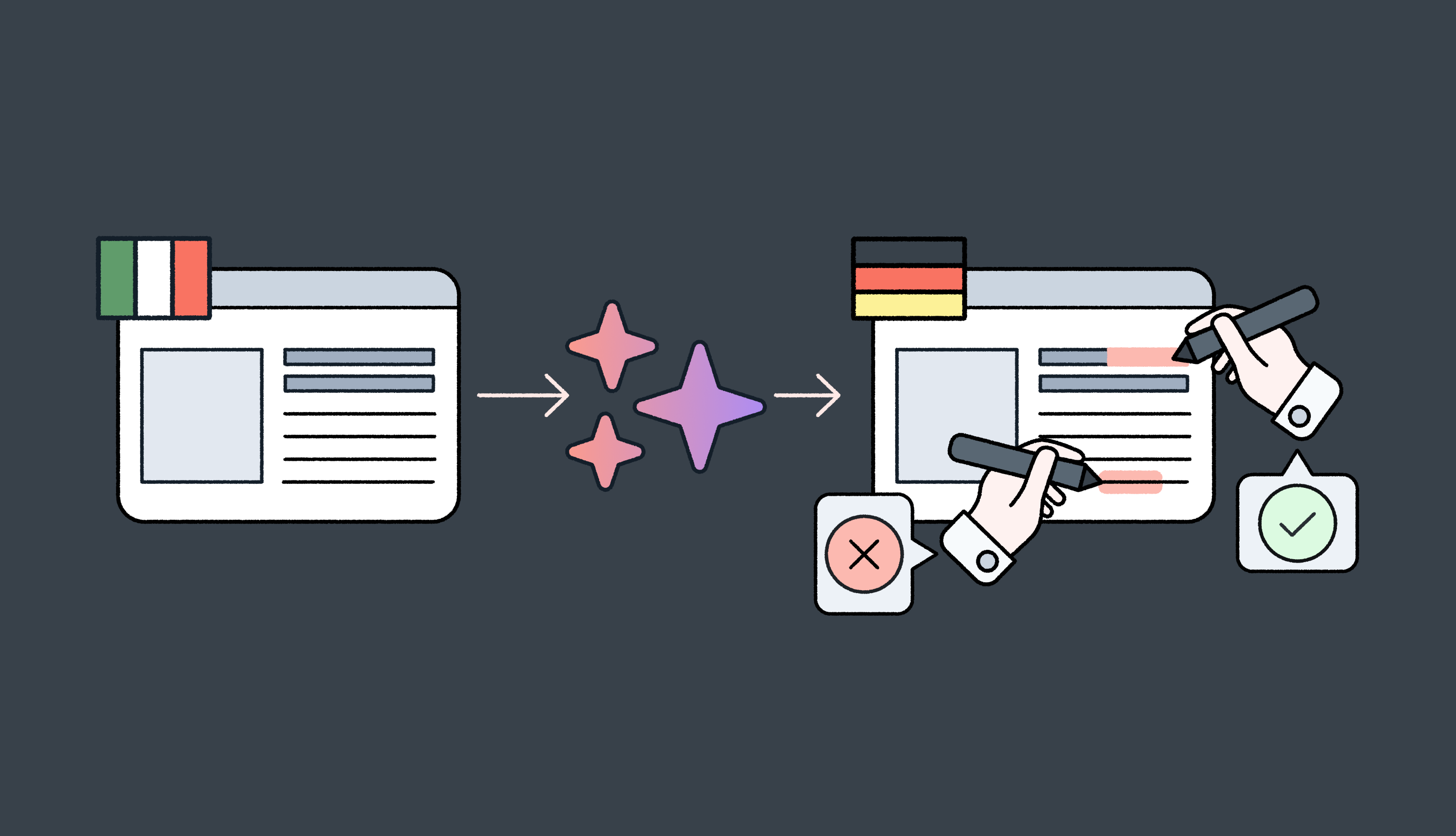
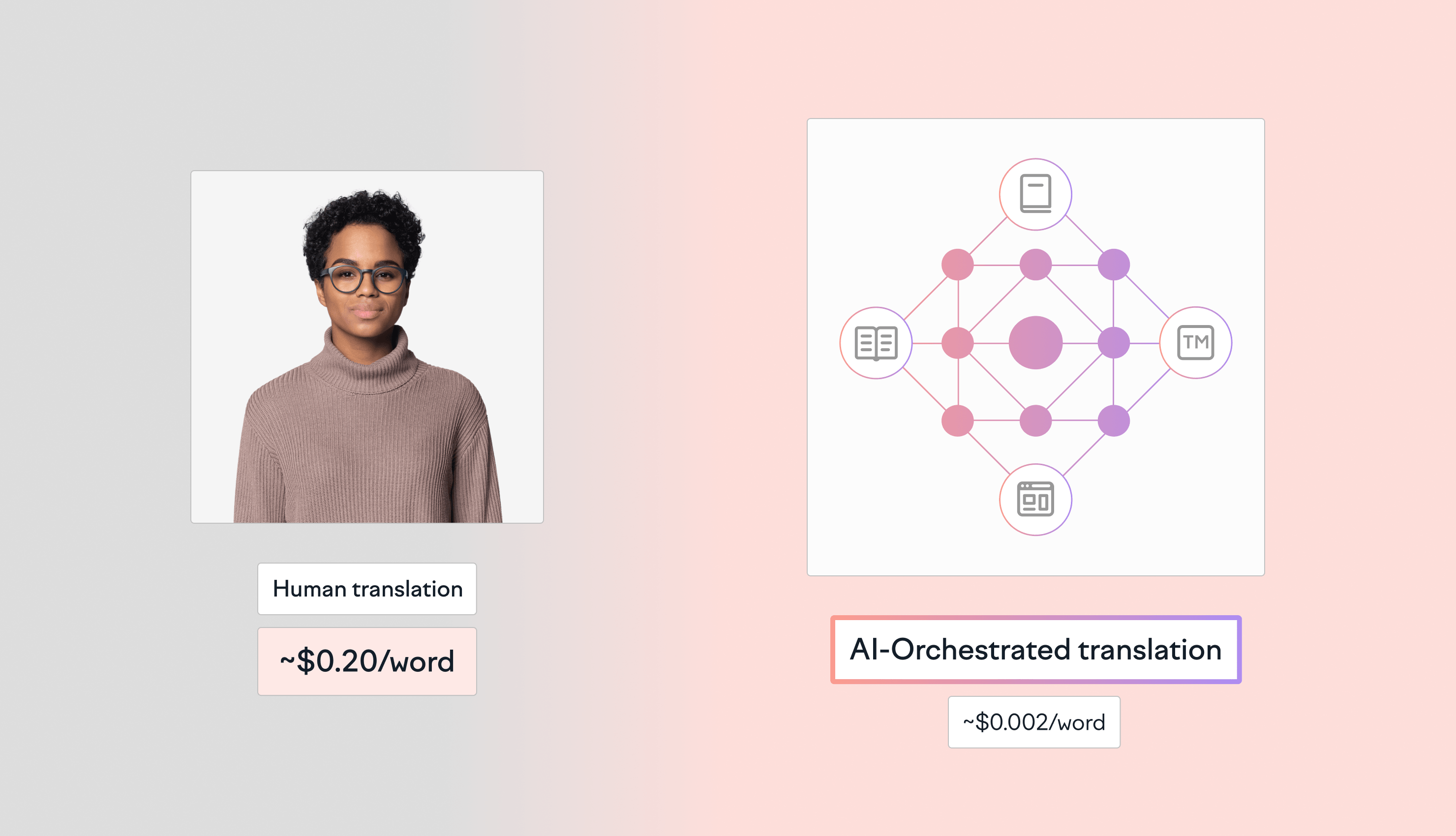
Translation used to be a bottleneck for businesses looking to grow internationally. Thanks to AI, now it can happen in seconds, which changes how teams make decisions about localization. ChatGPT can produce quick translations for many everyday needs. But when quality requirements rise or the workload grows, teams start running into familiar problems: inconsistent terminology, formatting and placeholder issues, missing context, and a lack of review workflows. That’
Updated on February 3, 2026·Mia Comic How to automate context management in translation
Most localization teams struggle with finding the right context. Translators jump between the TMS, Jira, Figma, Slack, and old docs just to understand a single string. Reviewers approve copy without ever seeing the screen it lives on. Developers spend hours every week explaining where text appears and what it must not break. All of this context switching in localization slows releases and drives up translation rework. On paper, it looks like “bad translation.” In reality, it
Updated on February 3, 2026·Mia Comic Top 5 most secure localization tools for healthcare
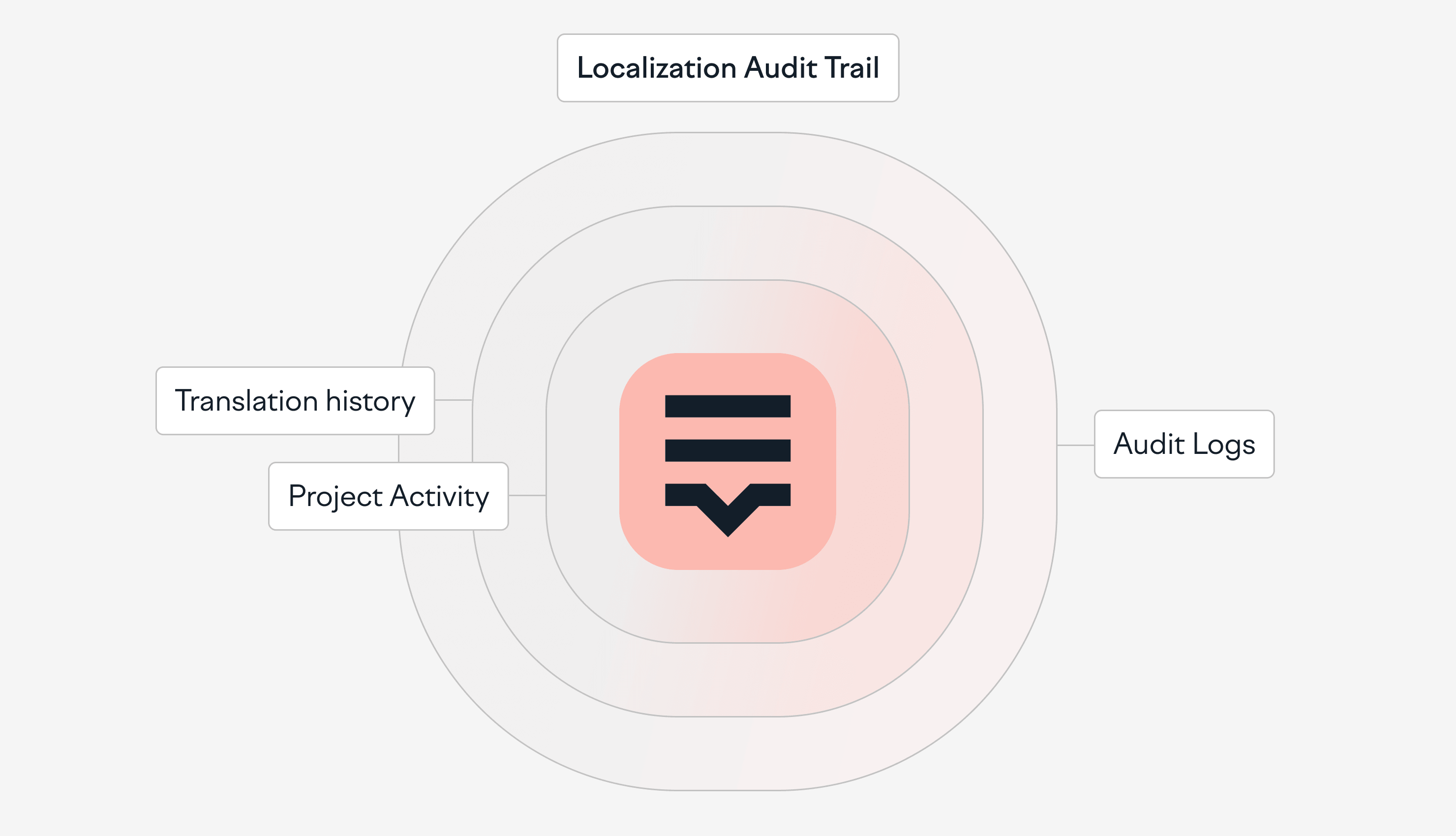
If you work in healthcare or life sciences, your localization stack lives under the same microscope as your clinical and regulatory content. In translation, GxP validation means your workflows run in a controlled, documented, and tested environment, with defined roles, locked-down steps, and an audit trail for every change that touches patient, clinical, or device-facing text. Keep reading for a clear comparison of the five best healthcare localization tools that can support this
Updated on January 7, 2026·Mia Comic Best fintech translation tools for secure and compliant localization
When you localize banking products, relying on “good enough” fintech translation services isn’t safe.The most secure option is a dedicated translation management system (TMS) suitable for fintech, like Lokalise. Your tool of choice needs to promise ISO 27001-grade security, granular access controls, reliable APIs, and strict glossary enforcement so every disclosure, rate, and fee description stays consistent and audit-ready. In this guide, you’ll find the best financial transl
November 23, 2025·Mia Comic ChatGPT vs. machine translation: Is it a fair comparison?
Most teams today are asking themselves: Should we use ChatGPT or machine translation for localization? The real question should be: How can we get the best results from both, without wasting time or money? Large Language Models (LLMs) like ChatGPT are changing the way we approach translation. They offer fluency, creativity, and context awareness that traditional Neural Machine Translation (NMT) engines can’t always match. However… To get localization-ready output fro
Updated on January 30, 2026·Mia Comic How to deliver global digital experiences while keeping costs in check
Global expansion brings massive opportunity and equally massive complexity. Content piles up across teams. Translation costs climb. Delivery slows. It’s no wonder that many localization programs stall before they scale. But some companies are doing it differently. They're building smarter systems upfront, using automation and AI where it matters, and focusing their efforts on what actually moves the needle.
November 6, 2025·Mia Comic Why agile localization is the cure for localization tech debt
Most teams think of technical debt as messy code. But one of the fastest-growing sources of debt has nothing to do with code. It’s about localization. Every sprint, developers are pulled into work they shouldn’t be doing. Chasing down strings, fixing broken file formats, or waiting on content approvals. Hours vanish, releases slip, and frustration grows. Instead of building features, developers become bottlenecks. And when that cycle repeats, it hurts velocity, drives burnout, and
Updated on October 23, 2025·Mia Comic Simple guide to SEO localization
If you want your content to rank globally, direct translation won’t get you far. But SEO localization will. Provided you do it well. Localizing your SEO efforts comes down to adapting your website and content so they feel natural to local audiences and meet search engine rules in each market. That means using the right keywords, respecting the cultural context, and writing in a way that people actually search for. The challenge is knowing how to turn these principles into so
Updated on December 19, 2025·Mia Comic